
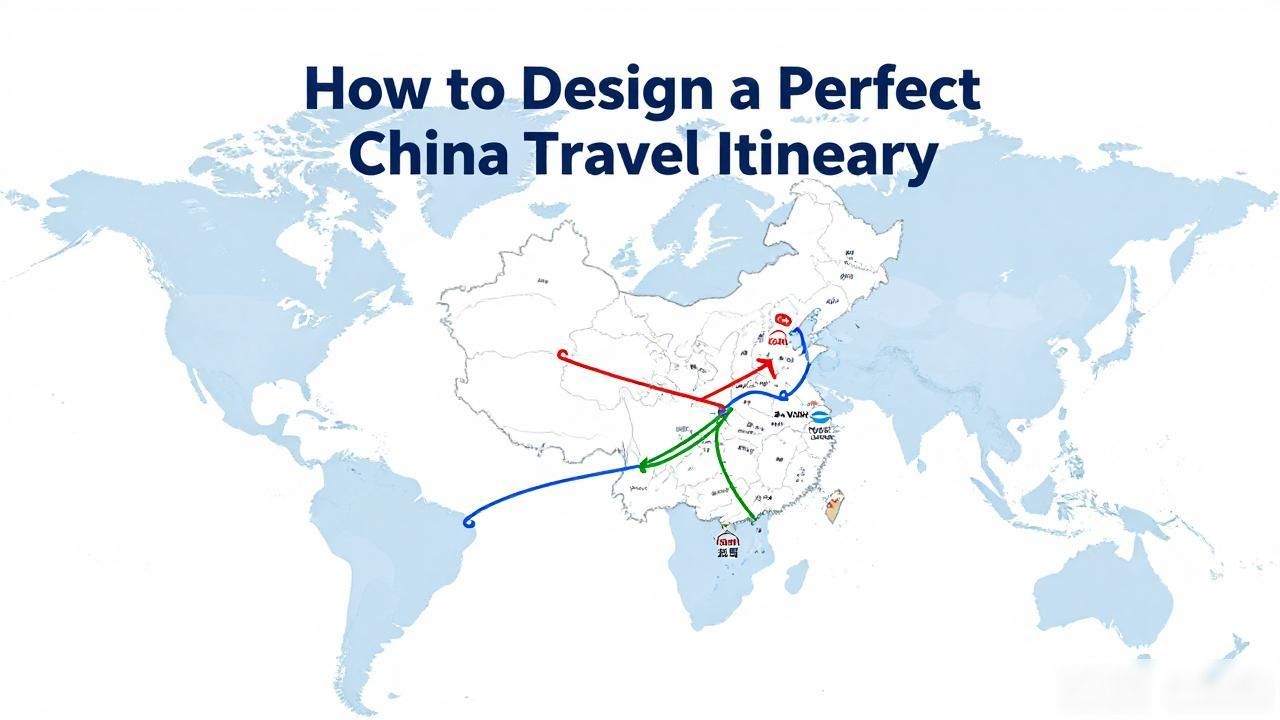
I’ve spent over fifteen years crafting trips for visitors heading to China. The feedback I keep hearing is the same—most people feel overwhelmed before they even book a flight. China is enormous. Its history stretches back millennia. And the logistics can seem impossible to untangle. Good itinerary design changes all that. It turns chaos into clarity.
A solid travel plan isn’t just a list of cities and hotels. It tells a story. It connects places that make sense together. It leaves room for spontaneity. That’s where the art and science meet.
What Makes China Itinerary Design Different

China demands a different approach than Europe or Southeast Asia. The distances are staggering. Flying from Beijing to Chengdu covers roughly the same mileage as flying from New York to Chicago. You cannot reasonably hit three provinces in ten days and expect anything but exhaustion.
Start by matching your interests to the right regions. History buffs gravitate toward Beijing,Xi’an, and Luoyang. Those cities hold the deepest layers of Chinese civilization. Nature lovers should look at Guilin, Zhangjiajie, and Yunnan Province. Each destination offers something entirely distinct.
The transportation puzzle matters enormously. China’s high-speed rail network is one of the most efficient systems in the world, connecting major cities with surprising speed and comfort. But rail doesn’t reach every corner. Some of the most breathtaking scenery lies beyond the train lines. Factoring in domestic flights or overnight buses prevents costly surprises later.
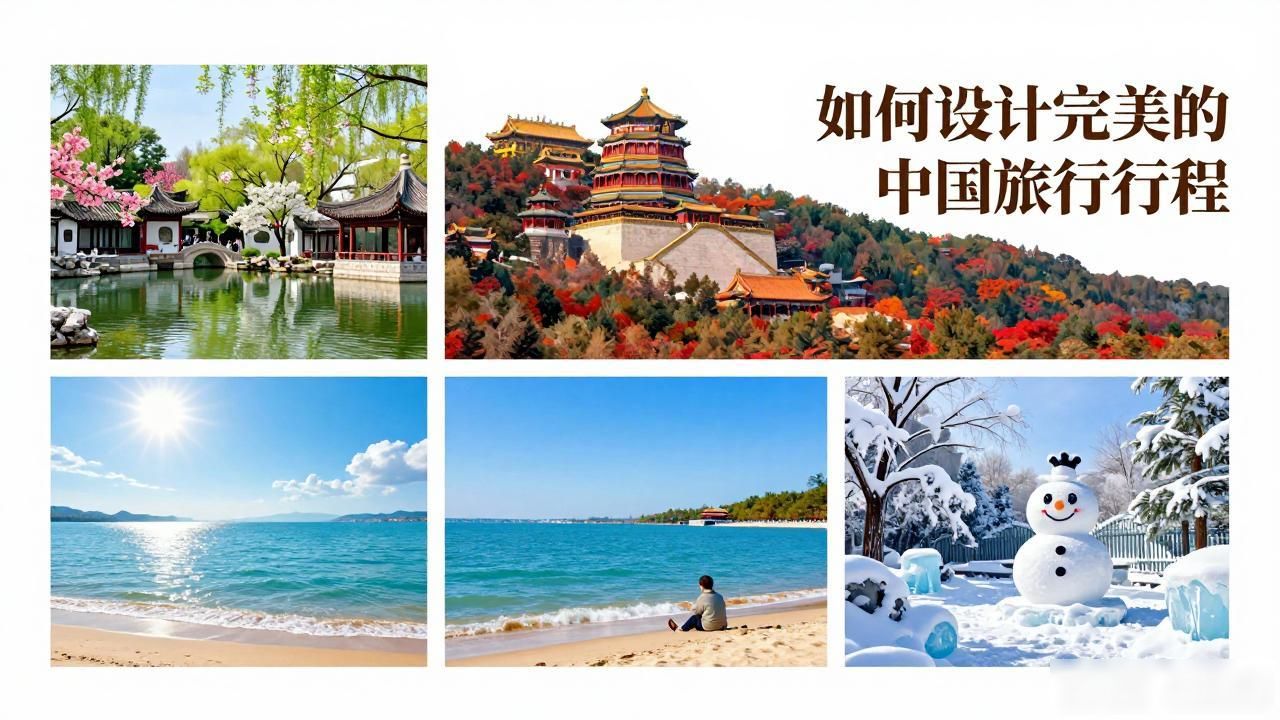
Season plays a decisive role too. Spring and autumn offer the most forgiving weather across most of the country. Summer brings sweltering heat and monsoon rain to southern regions. Winter turns northern cities into freezing wind tunnels. Your timeline should align with where you want to go and when.
How to Build a Realistic China Itinerary
Most travelers overestimate what they can accomplish. A realistic starting point is two cities during a two-week trip. Three cities max if you have three weeks. Anything more compresses the experience into a checkbox exercise.
Consider pairing destinations that share a geographic logic. Beijing and Xi’an flow naturally together on a classic cultural route. Shanghai, Hangzhou, and Suzhou form a beautiful triangle in the eastern water-town region. Guilin and Yangshuo complement each other seamlessly along the Li River.
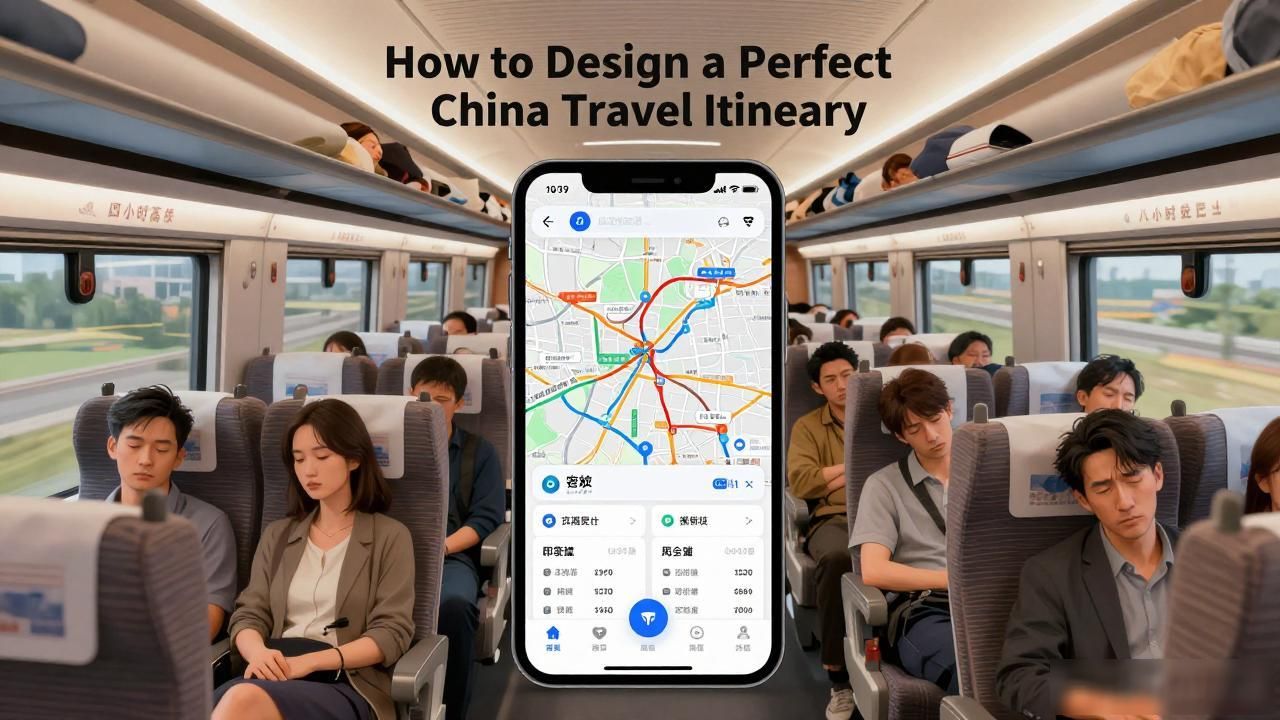
Transportation links between paired cities should feel effortless. A four-hour bullet train ride between two stops is ideal. An eight-hour overnight bus is a different story entirely. Time spent scrolling through departure boards on a confusing app drains energy better reserved for actual sightseeing.
Food deserves equal attention in itinerary planning. China’s regional cuisines vary wildly. Sichuan food burns with spice. Cantonese cuisine emphasizes freshness and subtlety. Northern cooking leans toward wheat and hearty flavors. Building meal stops into your daily rhythm transforms ordinary dining into cultural discovery.
The best itineraries leave breathing room between major attractions. Rushing through the Forbidden City in three hours feels nothing like lingering there for half a day. Empty spaces in a schedule become where unexpected moments happen—the quiet teahouse, the local market, the conversation with someone whose English is terrible but whose hospitality is genuine.