
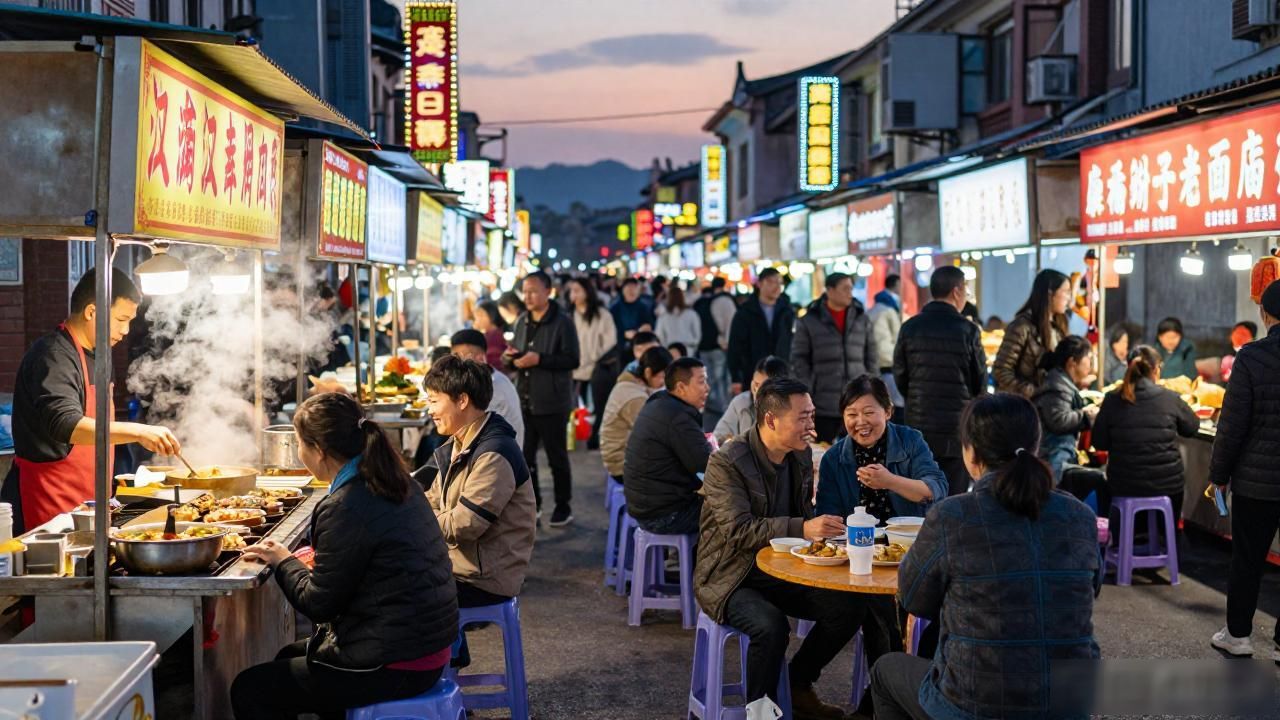
Exploring street food in China is one of the most rewarding experiences for any visitor. It goes far beyond simple snacks. You step into a world of sizzling woks, aromatic spices, and bustling night markets that have been feeding locals for generations. For foreigners, the initial challenge often lies not in the taste but in knowing where to look and how to navigate these lively food scenes. This guide will help you dive confidently into the vibrant street food culture that defines so many Chinese cities.
What makes Chinese street food so special for visitors?
The sheer variety can be overwhelming. Every region has its own signature dishes shaped by local ingredients and traditions. In the north, you will find hearty wheat-based foods like hand-pulled noodles and pancakes. The south offers delicate rice noodles and sweet soups. Sichuan and Hunan regions are famous for their bold, numbing spice that will awaken your senses in ways you never expected. Street food in China is not just about eating. It is about soaking in the atmosphere.

Night markets come alive after sunset with flashing neon signs and clouds of steam rising from cooking stations. You watch skilled vendors assemble dishes in seconds while chatting with regular customers. It feels authentic and unscripted. Locals gather in clusters around low plastic tables, laughing and sharing stories over steaming bowls. Being part of this scene makes you feel less like a tourist and more like a guest invited into someone’s everyday life.
How to stay safe while eating street food abroad?
Food safety is a common concern, but with a few smart habits, you can minimize risks significantly. The golden rule is simple: follow the crowds. If a stall has a long line of local customers, the food is likely fresh and popular. High turnover means ingredients are used quickly rather than sitting out for hours. Watch the cooking process closely. Freshly fried or boiled food coming straight from the heat is your safest bet.
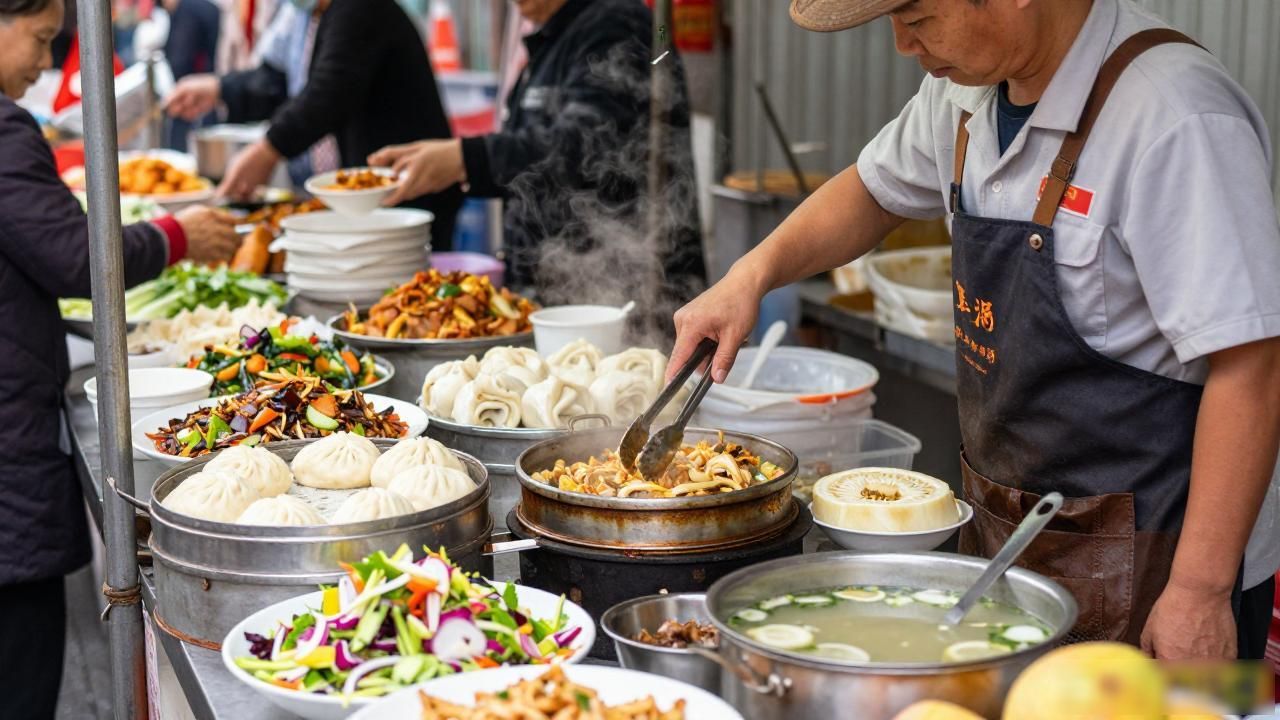
Pay attention to how the vendor handles your food. Look for clean preparation surfaces and proper hand hygiene. Many vendors now use tongs or gloves, especially after recent health awareness changes across the country. Avoid raw salads or unpeeled fruits from street vendors since the washing water quality can be unpredictable. Stick to cooked vegetables and peel your own fruit at restaurants.
Carrying portable hand sanitizer and wet wipes is always wise. You never know when a clean surface will be unavailable. Also, keep bottled water handy and use it for rinsing your mouth instead of tap water. Some travelers carry basic medicine for stomach issues as a precaution. You probably will not need it if you exercise good judgment, but having peace of mind allows you to fully enjoy the experience without constant worry.
What dishes should you absolutely try first?
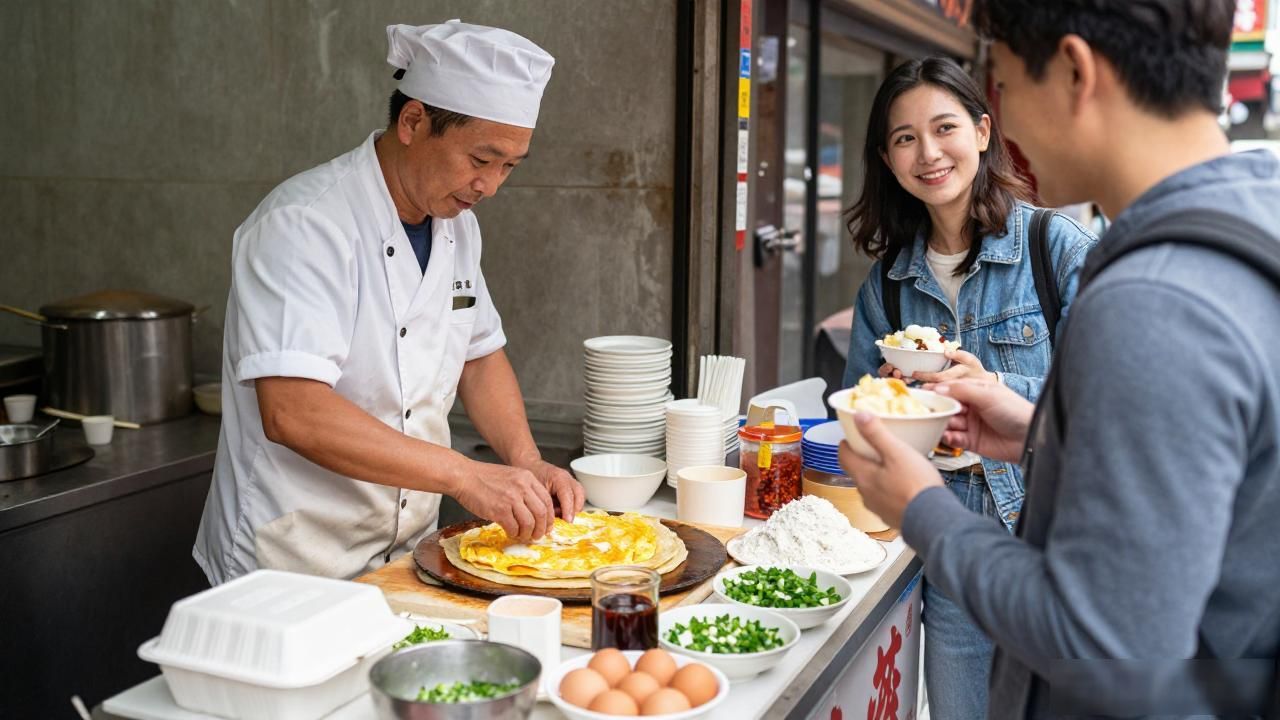
Dianchiba and jianbing are must-tries for breakfast lovers. Jianbing is a savory egg crepe folded around crispy fried dough, brushed with sauces, and wrapped in paper. It is portable, filling, and costs very little. Street vendors prepare it right in front of you with impressive speed. The combination of textures and flavors creates something truly satisfying that keeps you coming back.
For something heartier, seek out shao Kao, which is Chinese barbecue skewers. Marinated lamb, chicken, beef, and even vegetables are grilled over charcoal until charred and fragrant. The cumin and chili powder coating adds layers of flavor that make every bite memorable. You will see these stalls everywhere,from busy intersections to quiet residential alleys, each with its own secret spice blend.
No discussion of street food in China would be complete without mentioning noodles. Dan dan noodles from Sichuan deliver a punch of spicy sesame sauce with every forkful. Guilin rice noodles offer a milder alternative with their smooth texture and rich broth. Xi’an Roujiamo, often called the Chinese hamburger, features slow-cooked braised pork stuffed into a crispy flatbread. Each dish tells a story about regional taste preferences and cooking techniques passed down through generations of street vendors.