

What Makes Old Town Alleys in China So Attractive
When it comes to exploring China, most travelers flock to famous landmarks. Yet the true magic unfolds in narrow alleyways threading through centuries-old town centers. Walking these passages feels less like touring and more like stepping into daily life that time has gently preserved.
A narrow lane carved from gray stone blocks winds between two-story structures with wooden facades. Steamed buns waft from open kitchen doors while elderly residents chat on low stools outside their homes. Children chase each other past courtyards holding ancient camphor trees. Every corner hides something unexpected — a calligraphy shop, a tea house, a grandmother hand-folding paper lanterns.

Some alleys are remarkably quiet while others buzz with life. A single bend might reveal a tiny bridge crossing a canal where women wash clothes, completely unperturbed by curious strangers watching from above. These moments feel earned rather than staged.
Are Old Town Alleys in China Commercialized?
This concern deserves honest attention. Many well-known destinations have indeed crossed the line. In certain western China towns, old neighborhoods transformed into themed streets packed with souvenir stalls and snack vendors. Authentic residents moved elsewhere while foreign brands and internet-famous shops filled empty storefronts.
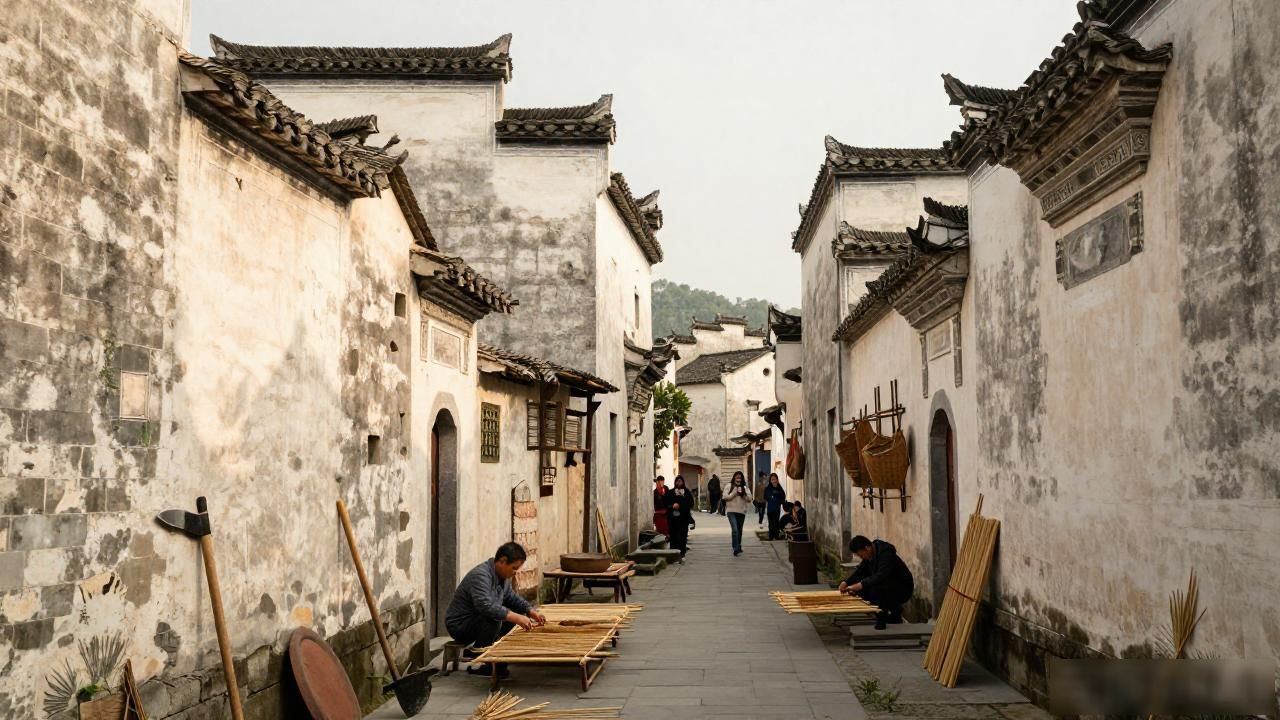
Yet remarkable examples of balance exist. Places like Shexian Village in Anhui Province maintain functioning residential communities alongside careful heritage preservation. Here locals genuinely live, work, and host visitors without surrendering their identity. The question becomes finding such spots and supporting them responsibly.
Even in developed areas,small pockets of authenticity survive between larger tourist corridors. A family-run noodle shop tucked behind a popular attraction often draws more loyal customers than the main street itself. Seeking out these hidden gems makes all the difference.
How to Explore Old Town Alleys in China Properly
Timing matters enormously. Arriving before 8 AM on weekdays means experiencing alleys as residents do — with morning routines, market preparations, and genuine neighborly interactions. Afternoon and evening visits reveal different atmospheres altogether, especially during festivals when lanterns illuminate carved wooden beams.
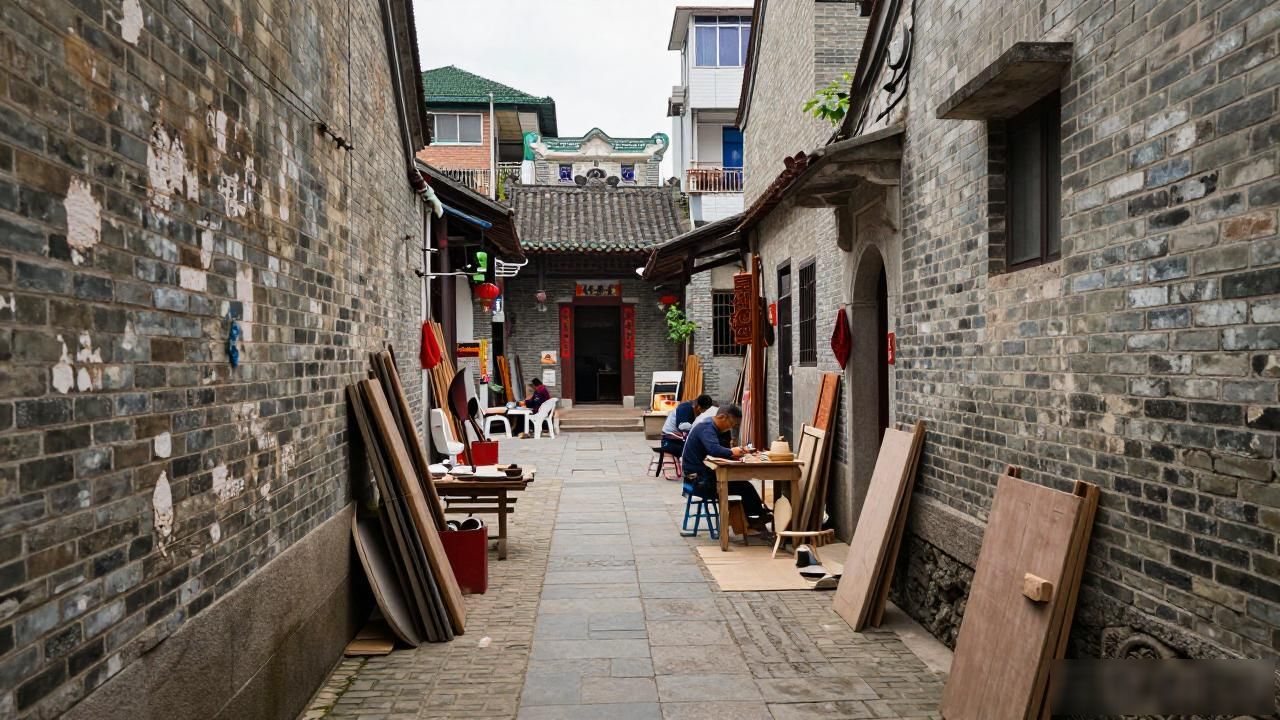
Venture beyond obvious main streets. Most old towns contain secondary lanes barely visited by tour groups. These side passages often lead to community squares, small ancestral halls, or family workshops where craftsmen practice disappearing techniques passed down through generations.
Bringing curiosity and respect opens doors. Learning basic greetings in Mandarin goes further than you might expect. Asking permission before photographing people signals consideration rather than entitlement. Sharing a brief conversation with a shopkeeper about the history of their building frequently yields richer stories than any audio guide.
The most rewarding discoveries happen when you slow down enough to notice what guidebooks overlook.