
Getting Around Beijing Hutongs: Transportation Tips for Tourists
Beijing’s hutongs are the beating heart of the city, narrow winding alleys that have connected communities for centuries. For visitors hoping to experience authentic Beijing life beyond the grand palaces and monuments, navigating these historic neighborhoods requires a different approach than exploring the modern avenues. Understanding the available transportation options makes all the difference between a frustrating outing and a memorable adventure.

What are the best ways to get around hutongs
Walking remains the most rewarding way to explore the hutong network. These maze-like passages were designed for pedestrians, not vehicles. Many lanes are only wide enough for one person or a bicycle at a time. The experience of wandering through these quiet corridors, discovering hidden courtyards and local life unfolding around every corner, cannot be replicated in any motorized vehicle. You will stumble upon small teahouses, elderly residents playing chess in the sunlight, and children riding bicycles down lanes that feel frozen in time.
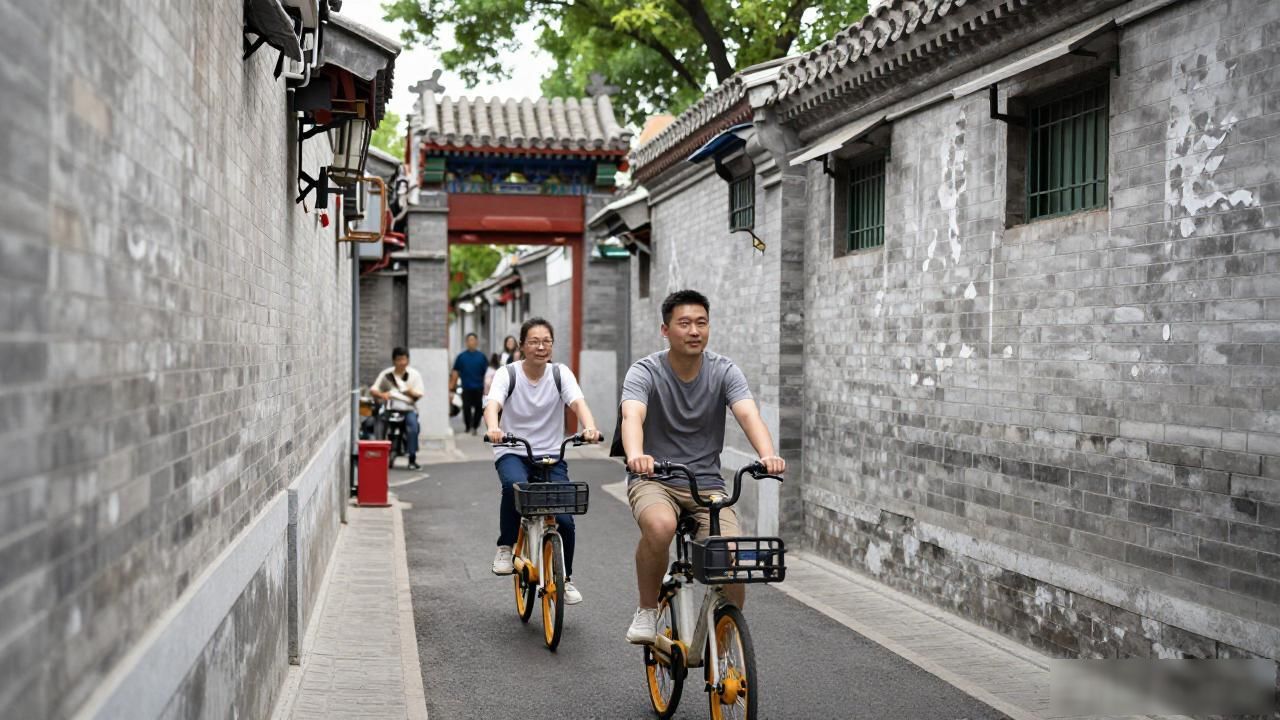
Cycling is another excellent choice for getting around the hutongs. Bike-sharing services like Mobike and HelloBike are widely available throughout the area. The flat terrain of central Beijing makes cycling comfortable even for casual riders. Renting a bicycle or using a shared bike app lets you cover more ground than walking while still experiencing the intimate scale of the neighborhood. However, stay alert — some hutongs transition into busy streets where cars and buses rush past.

Rickshaws offer a unique perspective for first-time visitors. Traditional人力车(human-pulled rickshaws)are still operating in certain hutong areas, particularly near popular tourist zones like Nanluoguxiang. While not always the cheapest option, a rickshaw ride provides comfort and local knowledge from drivers who often share fascinating stories about the history and transformation of their neighborhoods.
How do I use public transport to reach hutongs
The Beijing subway system connects to most hutong areas through nearby stations. Lines 2, 5, 6, and 8 serve stations within walking distance of major hutong clusters. Dongzhimen Station on Line 2 and Line 13 is close to the northeastern hutong areas, while Yonghegong Station on Line 5 places you right at the edge of one of the most visited hutong districts. From any subway station, a short walk, bike ride, or rickshaw trip will bring you into the heart of the alleys.
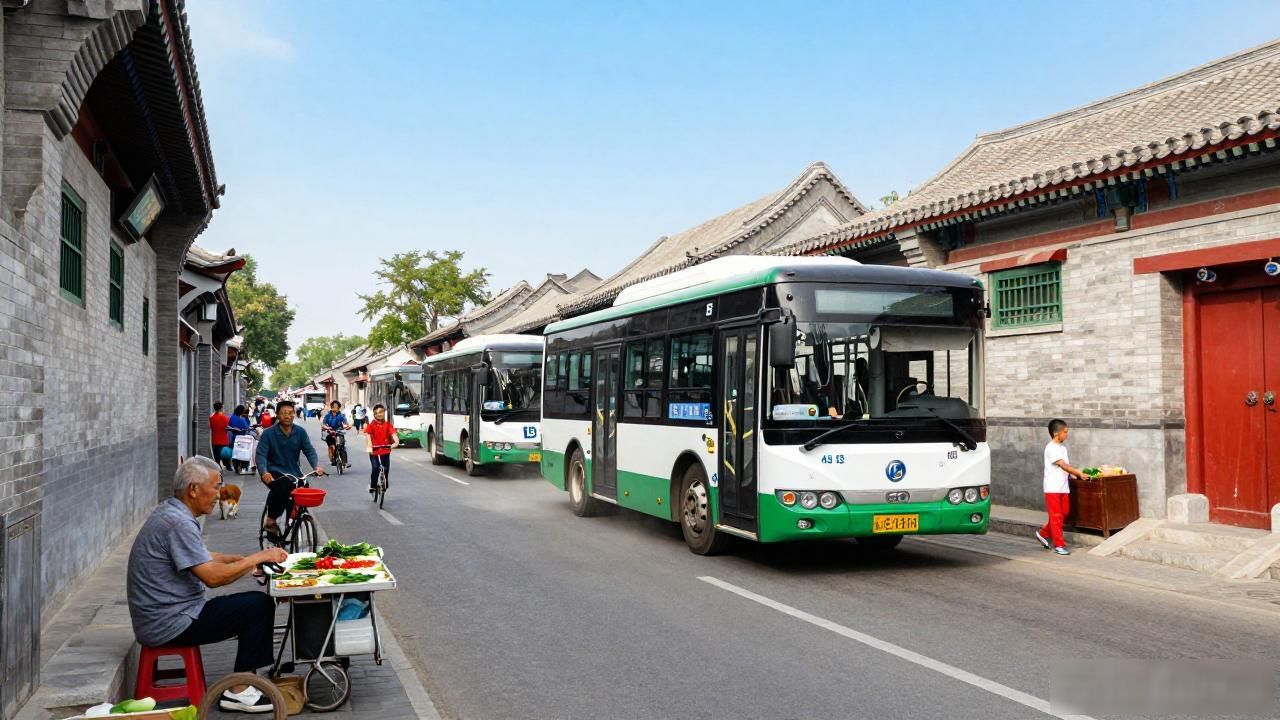
Bus routes also weave through many hutong corridors,offering a glimpse into everyday Beijing life. Buses like numbers 5, 13, 42, and 118 travel along streets bordering or cutting through historic neighborhoods. The downside is that buses can be crowded during peak hours, and stops may not always be conveniently located near your destination within the alley network.
For those carrying luggage or traveling with a group, ride-hailing apps like Didi provide convenient access. Didi, China’s version of Uber, operates throughout Beijing and can drop passengers at the entrances of most hutong areas. Since cars cannot enter most narrow lanes, you will typically walk the final stretch from the pickup point. Having Didi installed on your phone and a simple Chinese payment method set up will save considerable hassle during your stay.