
China is often reduced to Beijing’s grandeur or Shanghai’s neon skyline. Most visitors never venture beyond these iconic hubs, missing the soul of the country. I spent five years trekking through remote villages, climbing misty mountains, and sharing meals with locals in places that don’t appear in guidebooks. What I found was a China that feels ancient yet alive, quiet yet vibrant. This isn’t about hiding secrets; it’s about revealing the depth that lies just outside the tourist trail. If you’re willing to look past the postcard images, you’ll discover a land of staggering diversity and warmth.
Where to Find Quiet Temples in China

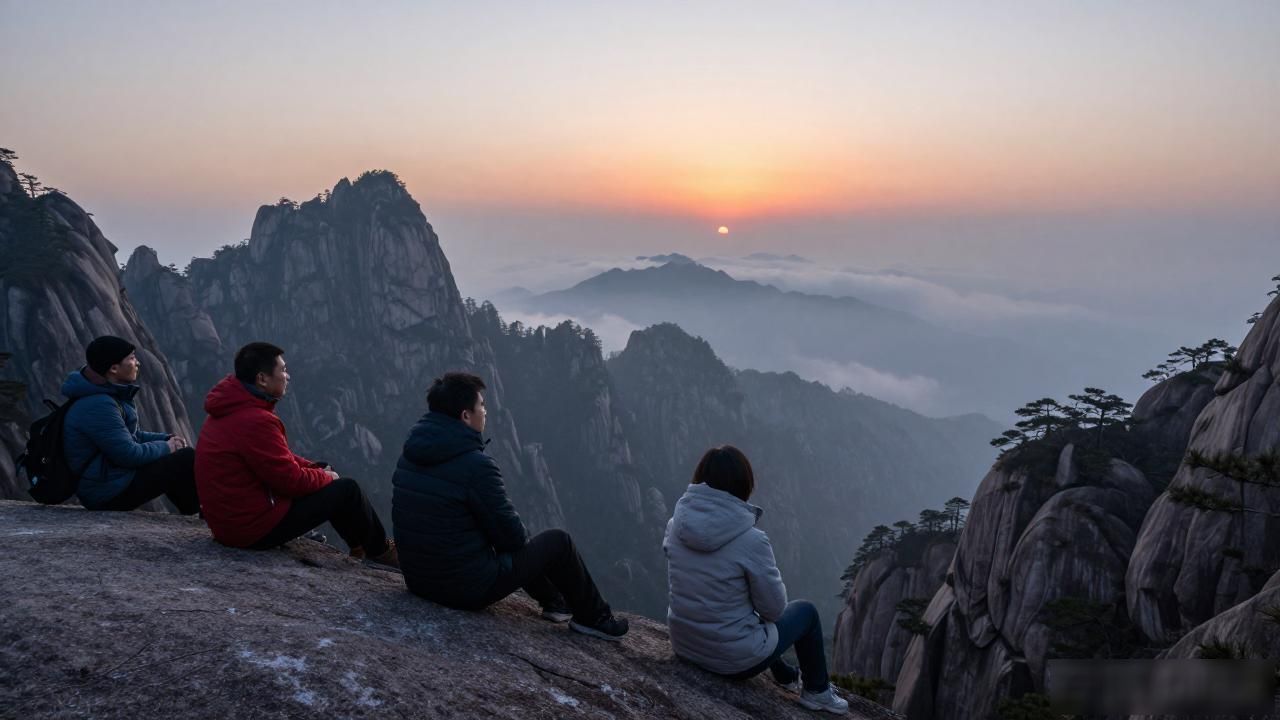
Most people flock to the Temple of Heaven in Beijing, but the real spiritual magic lies in the mountains of Anhui. Mount Huangshan isn’t just about the views; it’s about the solitude you find at dawn. I remember waking up at 4 AM to watch the sunrise, sharing the cold rock with only a few other early risers. The sea of clouds here feels untouched by time. Further south, in Zhejiang province, the Moganshan area offers bamboo forests so dense they block out the world. It’s a place for reflection, not self
ies. The small Taoist temples scattered among the peaks have been silent witnesses to centuries of history, offering a peace that city life rarely provides.
Best Off-the-Beaten-Path Villages in China
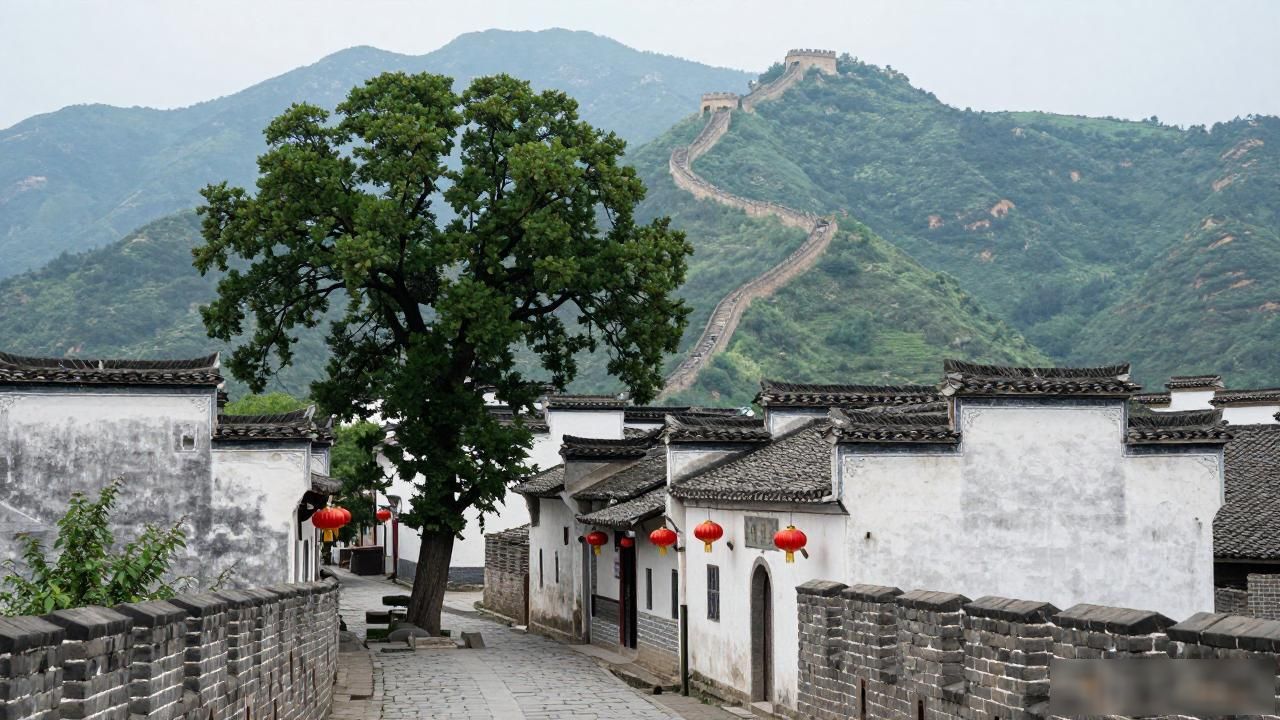
Guizhou province is home to the Miao and Dong ethnic groups, whose wooden stilt houses cling to steep hillsides. These villages, like Zhaoxing and Langde, are still largely unknown to mass tourism. I once stayed in a local family’s home in Zhaoxing, sleeping on a heated kang bed while the family shared their evening meal of sour fish soup. The hospitality was overwhelming, a stark contrast to the rushed tours elsewhere. In Yunnan, the village of Shaxi on the ancient Tea Horse Road retains its Ming Dynasty architecture and Saturday market. It’s a living museum where time seems to have slowed down, allowing travelers to connect with the genuine rhythm of rural Chinese life.
What to Eat in Rural China
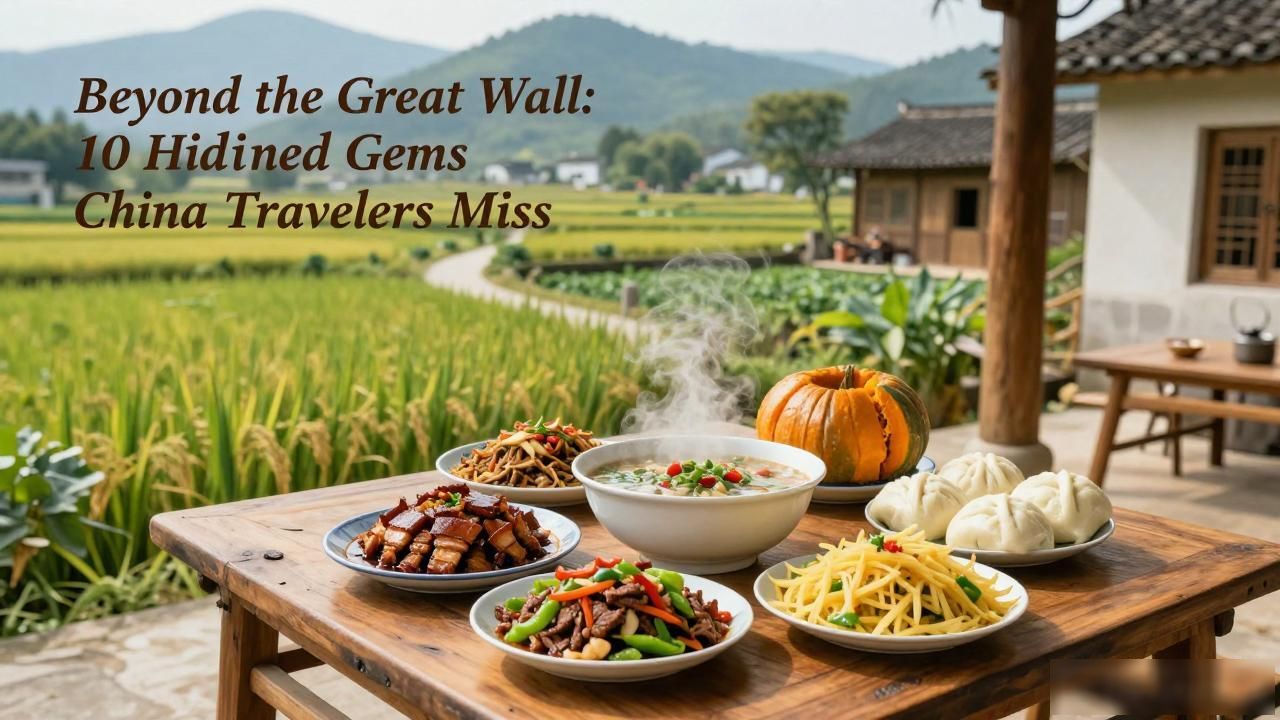
Street food in Xi’an is famous, but the real culinary adventures happen in smaller towns. In Sichuan, the town of Leshan is known for its bobo chicken and spicy noodles, eaten by locals in tiny,steam-filled shops. I tried a dish called “mapo tofu” made by an elderly woman who had cooked it the same way for forty years. The flavor was complex, spicy, and deeply comforting. In the northwest, the city of Xi’an’s outskirts offer hand-pulled noodles that are a spectacle to watch. But further west, in Gansu, the simple lamb skewers grilled over cumin and chili are unmatched. Eating in these hidden spots isn’t just about taste; it’s about understanding the local culture, one bite at a time.