
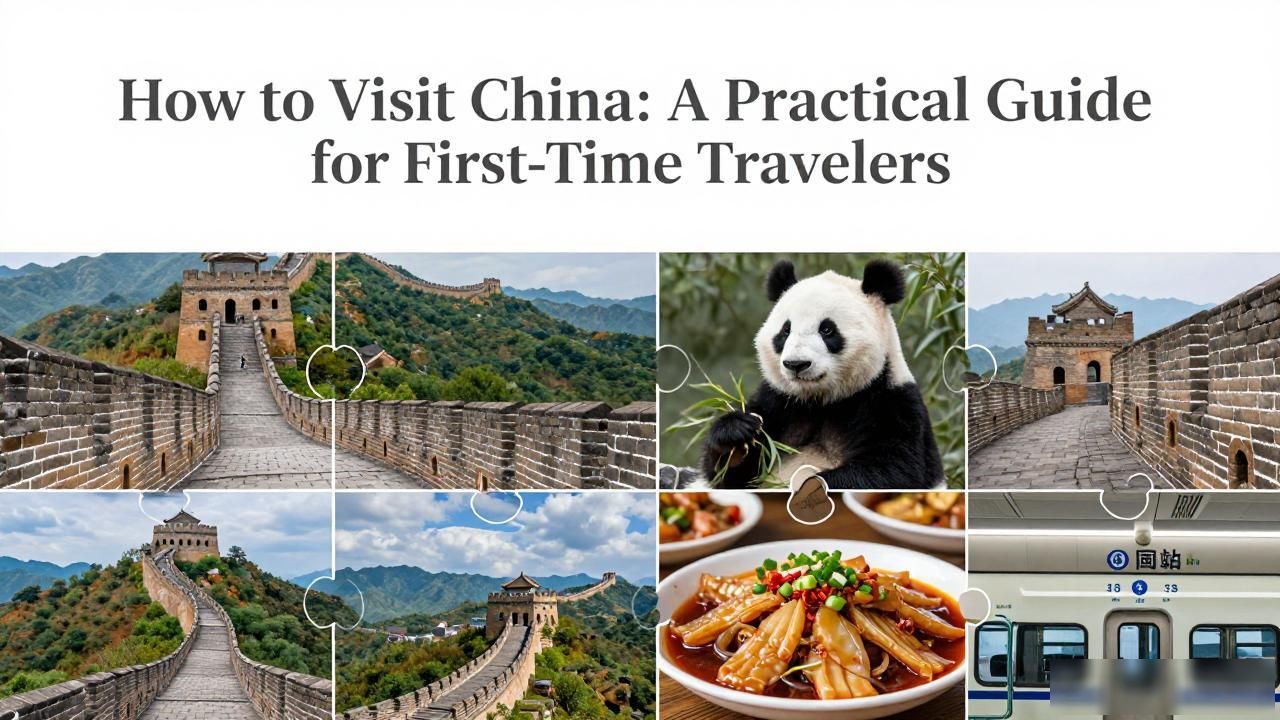
China is no longer just a destination on a bucket list; it is a vibrant, complex tapestry of ancient traditions and hyper-modern cities that demands curiosity. For many travelers, the idea of visiting can feel overwhelming due to language barriers or digital ecosystem differences. However, once you step foot in places like Shanghai or Xi’an, the initial friction quickly dissolves into awe. The country offers an unparalleled depth of history, culinary diversity, and natural beauty that few other destinations can match. This guide aims to demystify the process, helping you navigate entry requirements and cultural nuances with confidence.
What Are the Entry Requirements and Visa Rules?

Securing a visa has become significantly more streamlined for citizens of many countries, yet preparation remains key. Most international visitors need to apply for an L-visa for tourism purposes through local Chinese embassies or via authorized online portals. It is crucial to check the latest regulations, as policies regarding visa-free transit and specific national exemptions change frequently. Ensure your passport has at least six months of validity remaining beyond your planned departure date to avoid any last-minute complications at the border.
Beyond paperwork, understanding the digital landscape is essential for a smooth stay. Western apps like Google Maps,WhatsApp, and Uber do not function reliably within mainland China. Instead, travelers should prepare to use Baidu Maps for navigation, WeChat for communication and payments, and Didi for ride-hailing. Setting up Alipay or WeChat Pay before arrival, linked to your international credit card, will save you from the hassle of carrying cash, as these platforms are ubiquitous even in small street vendors.

Which Destinations Offer the Best First Impressions?
For a first-time itinerary, balancing iconic historical sites with modern urban experiences provides a well-rounded perspective. Beijing stands out as the obvious starting point, home to the Forbidden City and the Great Wall. These landmarks offer a tangible connection to millennia of imperial history. However, do not limit yourself to the tourist traps; wandering through the Hutongs allows you to witness daily life in traditional courtyard homes, offering a quieter, more authentic glimpse into the city’s soul.
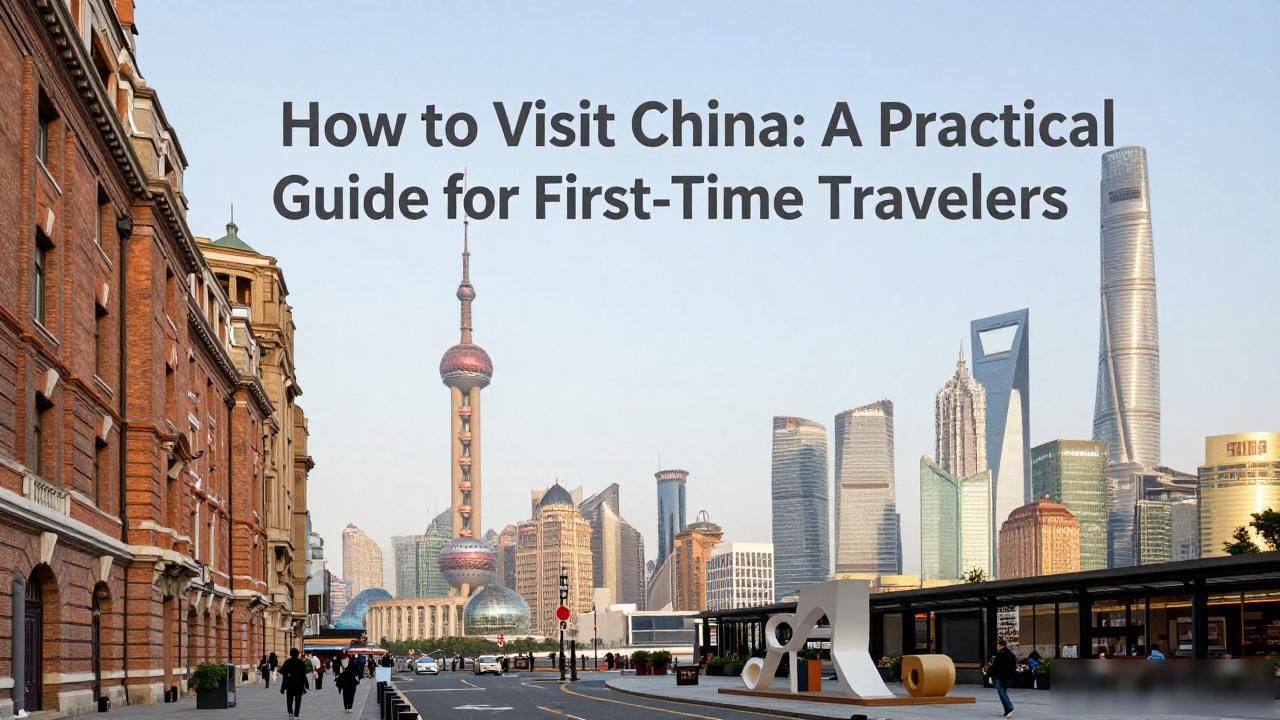
Shanghai presents a starkly different but equally compelling contrast. The Bund showcases colonial architecture against the futuristic skyline of Pudong, symbolizing China’s rapid economic ascent. From there, venturing into neighborhoods like Jing’an reveals a cosmopolitan vibe with world-class coffee shops, art galleries, and shopping districts. This duality of old and new is what makes China so fascinating, providing travelers with endless opportunities to explore diverse cultures, cuisines, and landscapes within a single trip.