

Planning a trip to China can feel overwhelming, but with the right preparation, it becomes an unforgettable adventure. From my years of guiding travelers across Beijing’s hutongs to Shanghai’s skyscrapers, I’ve seen how a few key tips can transform confusion into confidence. This guide covers practical advice on visas, payments, apps, and cultural norms—everything you need to travel smoothly. Let’s dive into what really matters before you pack your bags.
Do I need a visa for China
Most foreign travelers need a visa to enter mainland China. The standard L tourist visa is straightforward: apply at a Chinese embassy or consulate in your home country, usually requiring your passport, a recent photo, flight bookings, and hotel reservations. Processing takes about four to five working days, but plan earlier during peak seasons. Some cities like Beijing and Shanghai offer 24 to 144-hour visa-free transit for citizens of over 50 countries—check the latest rules, as this only works if you’re flying to a third destination via China.

Remember that visa policies change frequently. Before booking anything, visit the official Chinese visa service website for your country. Always keep a printed copy of your visa approval and passport photos in your luggage, just in case. A common mistake is assuming you can extend a visa easily inside China—approvals are strict, so align your trip length with your visa validity from the start.
How to use mobile payment in China
Cash is rarely accepted outside major hotels and high-end restaurants. Instead,download Alipay and WeChat Pay before departure. Both apps now allow linking international credit cards (Visa, Mastercard, Amex) but require real-name verification with your passport. Set them up at home while you have stable internet. Once in China, scan QR codes everywhere—from street food stalls to subway ticket machines. For small vendors, carry a few hundred yuan in cash as backup, but expect change issues.
A practical tip: open the payment app’s “translate” feature (Alipay has one) to read merchant names. Also, enable offline QR codes for taxis if your mobile data fails. Many travelers worry about security—use a strong password and disable facial recognition for transactions. Avoid sharing your payment screen with strangers. With these apps, you can also split bills, book train tickets, and order food delivery without speaking Chinese.
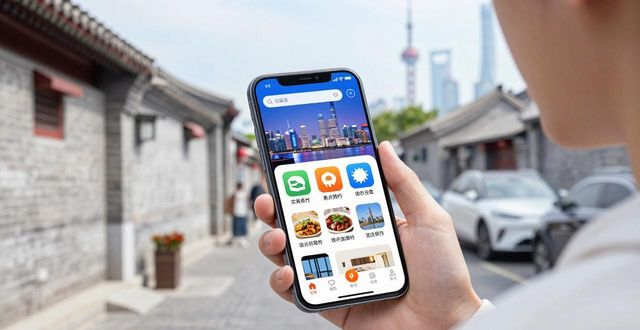
Which apps are essential for China travel
Google services are blocked, so preload these alternatives. For maps, download Baidu Maps or Amap—they work in English and include real-time subway updates. For translation, Microsoft Translator or Pleco (offline dictionary) are lifesavers. Didi is China’s Uber; it integrates with Alipay, so you don’t need a separate account. For train tickets, use the official app (English version of Ctrip). And for VPN? Install a reliable one before you leave—ExpressVPN or NordVPN, but test they still work in China as blocks tighten.
Don’t forget offline tools. Google Translate’s offline Chinese pack, a screenshot of your hotel address written in Chinese, and a local SIM card (buy at airport vending machines using your passport). Avoid relying on public Wi-Fi for sensitive logins. Also, WeChat is not just for messaging—it hosts mini-programs for museum reservations, bike sharing, and even hospital registration. Spend an hour learning these apps at home; it’ll save you days of frustration on the road.
What are the cultural etiquette tips for China

Respecting local customs opens doors to authentic experiences. When greeting, a slight nod or handshake is fine—avoid hugging or kissing unless invited. Use both hands to give or receive business cards, money, or gifts. Never stick chopsticks upright in rice (it resembles incense for the dead). Tipping is not practiced anywhere except for tour guides; in fact, it can cause embarrassment. Learn basic Mandarin phrases like “xiè xie” (thank you) and “bù hǎo yì si” (excuse me)—effort is always appreciated.
Be mindful of queues: they exist but can look chaotic; just follow the flow. In temples, dress modestly and don’t point at statues. For photos, ask before snapping locals, especially ethnic minorities or monks. When bargaining at markets, stay friendly—a 30-50% discount off the first price is normal. Avoid discussing politics, Taiwan, Tibet, or Xinjiang. Lastly, accept that toilet paper isn’t always provided; carry your own tissues and hand sanitizer. Small gestures of patience will make your journey far more rewarding.
Have you discovered a China travel tip that saved your trip? Share it in the comments below—and don’t forget to like and share this guide with fellow adventurers. Your experience might help someone else pack smarter!