
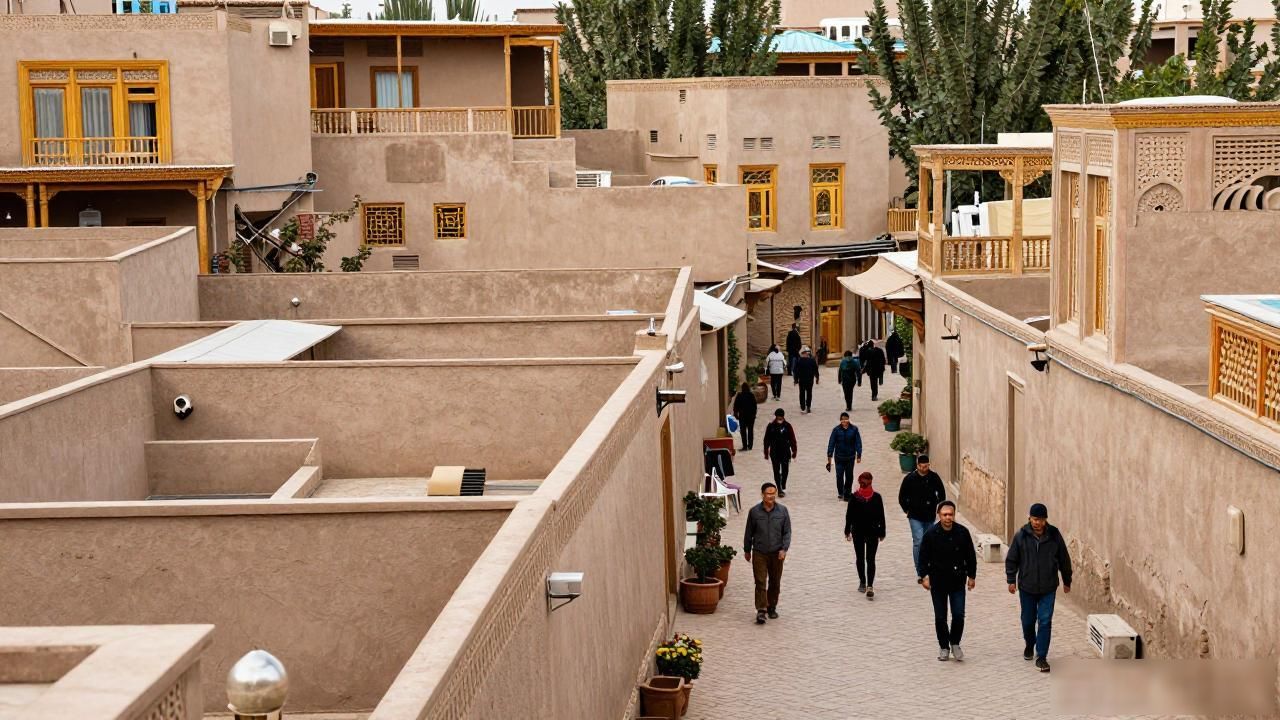
Stepping into Kashgar feels like stepping back into a time when the Silk Road was the world’s most vital artery. This ancient city in Xinjiang, China, is not just a destination; it is a living museum where history breathes through every cobblestone and spice-laden air. For travelers seeking authenticity beyond typical tourist traps, Kashgar offers an immersive experience that challenges perceptions of Central Asian culture. The blend of Uyghur traditions, Islamic architecture, and Chinese influences creates a unique tapestry that is both mesmerizing and deeply respectful of heritage.
Why Visit Kashgar Old City Today?

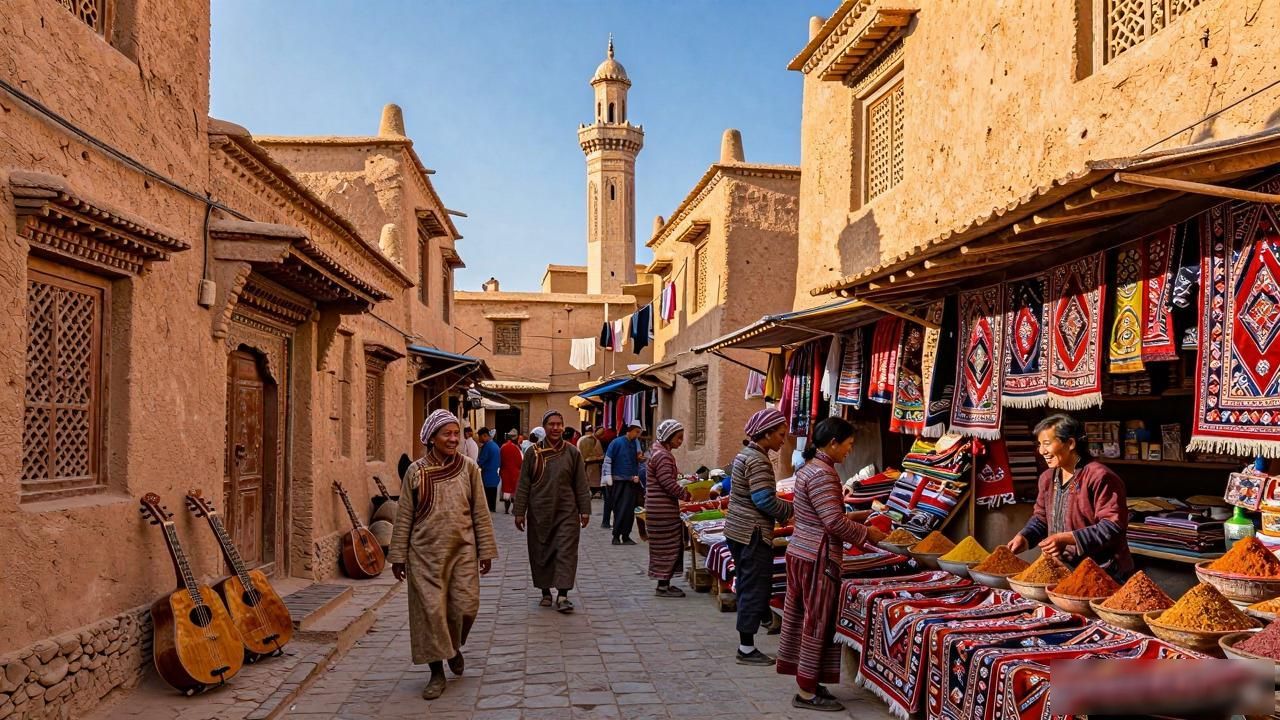
The heart of Kashgar beats within its Old City, a sprawling labyrinth of narrow alleys and vibrant courtyards. Unlike many modernized historical sites, this area retains its organic growth pattern, shaped over centuries by trade, religion, and daily life. Visitors are greeted by the scent of cumin and roasting lamb mingling with the sound of calligraphy brushes on paper. It is a place where time slows down, allowing you to observe artisans crafting intricate carpets or musicians playing traditional instruments. The architecture, characterized by wooden balconies and intricate carvings, tells stories of resilience and beauty.
Exploring the Id Kah Mosque area provides a spiritual anchor amidst the bustling market life. The mosque itself is a masterpiece of Islamic design, but the real magic lies in the surrounding neighborhood. Here, neighbors chat over tea, children play in the streets, and elders watch the world go by. This human element is what makes Kashgar unforgettable. It is not merely a sightseeing spot but a community that welcomes outsiders with curiosity rather than hostility. Engaging with locals can lead to unexpected invitations for meals or tours of hidden workshops, enriching the travel experience immeasurably.
What Makes Kashgar’s Culture Unique?
Kashgar sits at a crossroads of civilizations, resulting in a cultural fusion that is hard to find elsewhere. The Uyghur people, with their rich oral traditions and culinary arts, dominate the social landscape. Food here is an art form; from sizzling skewers to hand-pulled noodles, every dish reflects generations of refinement. The Sunday Market, held outside the city walls, is one of the largest and oldest open-air markets in China. It operates much like it did centuries ago, with traders bartering goods ranging from fresh produce to exotic spices and antiques.
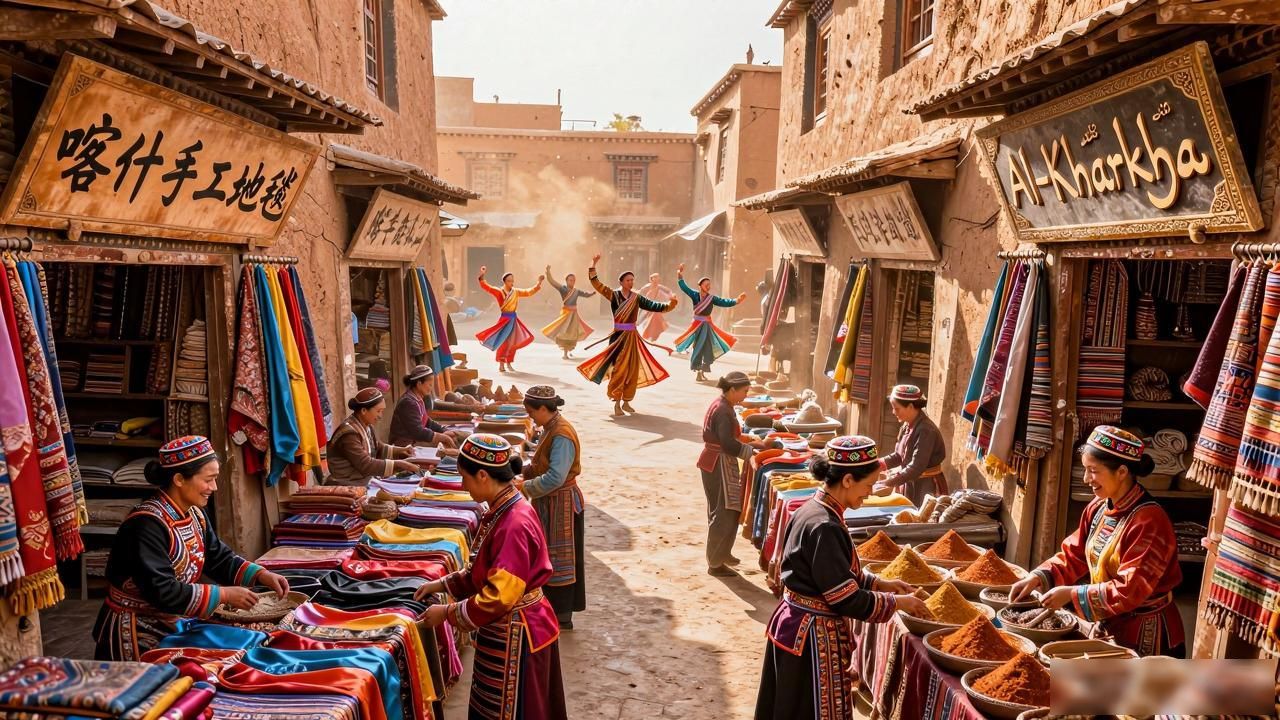
The influence of the Silk Road is evident in the diverse languages, music, and crafts found throughout the city. You might hear Persian-influenced dialects,see Chinese calligraphy alongside Arabic script, and witness dances that blend Indian and Central Asian movements. This diversity fosters a sense of global connection even in such a remote location. For the modern traveler, Kashgar serves as a reminder of how interconnected our histories truly are. Understanding this context transforms a simple vacation into a journey of discovery. It encourages respect for local customs and a deeper appreciation for the enduring spirit of the people who call this historic hub home.