
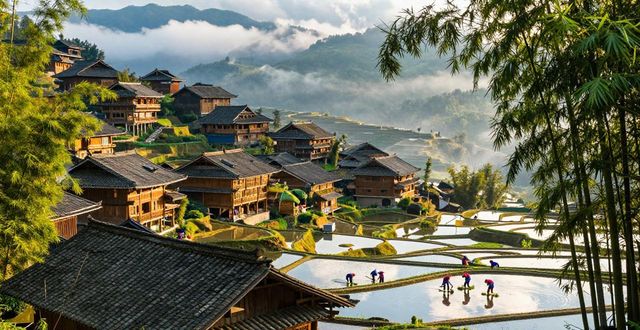
Yunnan ethnic minority villages offer a rare and authentic glimpse into the rich cultural traditions of China’s southwest. These villages, scattered across misty mountains and fertile valleys, are home to diverse groups like the Yi, Bai, Hani, and Dai people. Visiting them is not just about sightseeing—it’s about stepping into a living history of unique customs, architecture, and daily life. For many travelers, this is the heart of a Yunnan experience.

What makes Yunnan ethnic minority villages worth visiting
The real draw of Yunnan ethnic minority villages lies in their distinct cultural identity. Each village feels like a world of its own. In Xishuangbanna, Dai villages feature elegant bamboo stilt houses and Buddhist temples with golden spires. Walking through these communities, you’ll see locals weaving fabric, pounding rice cakes, or tending to tea fields. The pace of life is slower,more grounded. Visitors often leave with a sense of connection that’s hard to find in modern cities. The architecture, the clothing, the festivals—all of it is deeply tied to the land and history. If you’re looking for something beyond typical tourist attractions, these villages deliver.
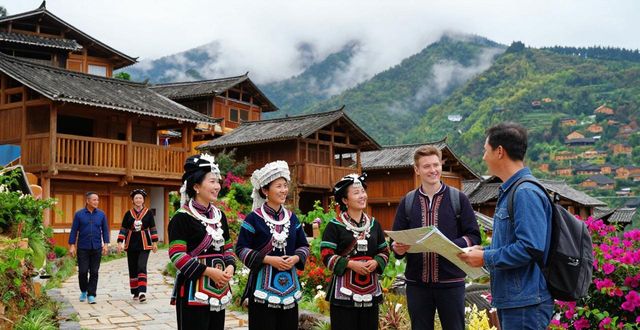
Are they safe and easy for foreign travelers to explore
Safety and accessibility are common concerns when planning a trip to Yunnan ethnic minority villages. The good news is that most villages are well-prepared for visitors. Roads have improved dramatically in recent years. You can reach popular villages like Shaxi Old Town or Yuanyang Rice Terraces by bus or private car. Many villages now have guesthouses run by local families. English is not widely spoken, so a translation app helps. But locals are genuinely friendly and welcoming. They’re used to foreign tourists and often go out of their way to help. Crime is almost nonexistent in these tight-knit communities. As long as you respect local customs—like removing shoes before entering a home or not touching sacred objects—you’ll feel safe and comfortable.
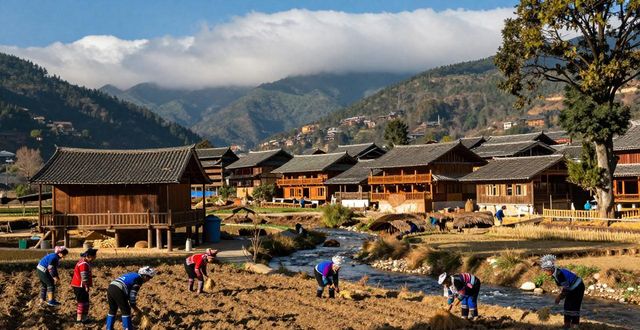
A trip to Yunnan ethnic minority villages is a journey into a different way of life. The landscapes are stunning, but the people and their traditions leave the deepest impression. Whether you’re hiking through rice terraces or sharing a meal with a Dai family, the experience stays with you long after you leave.