
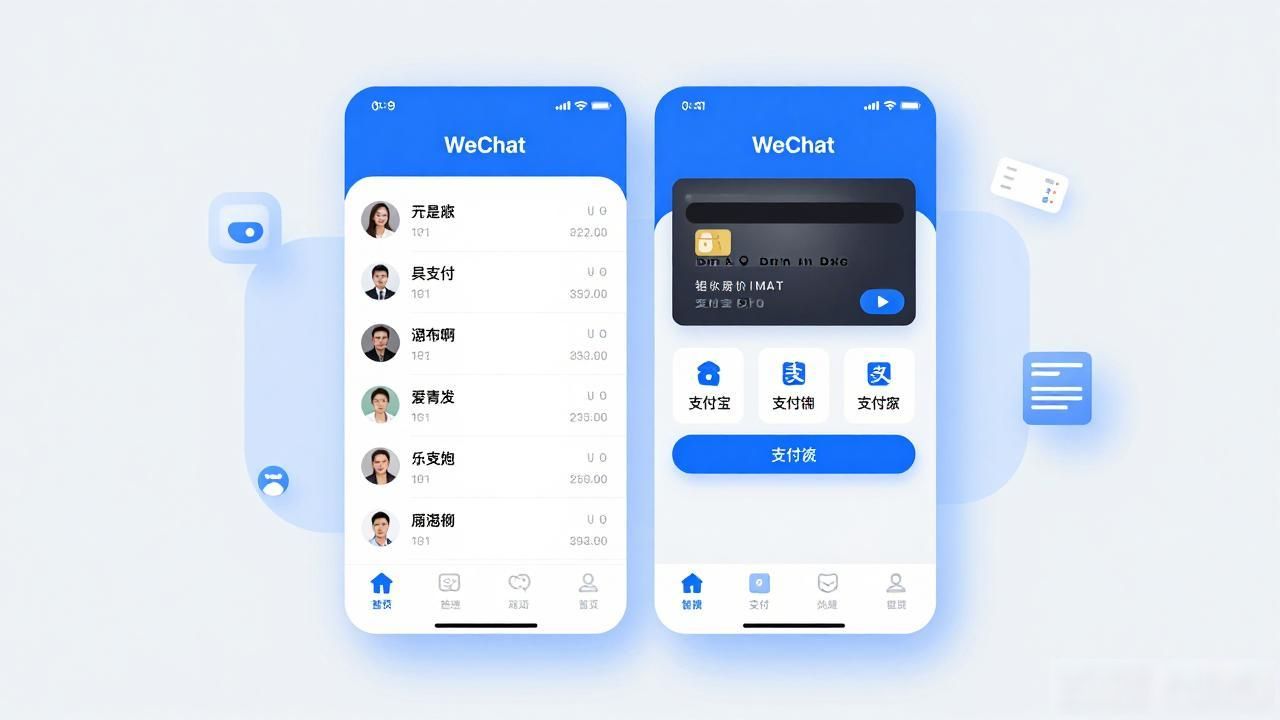
Navigating China’s digital landscape can feel like stepping into a parallel universe where cash is obsolete and QR codes rule everything. For international travelers,the initial shock of realizing that WeChat Pay and Alipay are essential for survival is common, but it quickly turns into an appreciation for the seamless convenience they offer. Understanding which tools to install before landing is crucial for a smooth trip, from booking trains to finding authentic local food. This guide breaks down the absolute must-haves to ensure you don’t get stuck in a taxi with no way to pay or miss out on a train because you couldn’t navigate the ticketing system.
What travel apps should I download for China?

The most critical app to have is WeChat, often described as the “everything app.” It serves as your messaging platform, payment gateway, and mini-app hub all in one. While many foreigners rely solely on WhatsApp, WeChat integrates directly with Alipay and bank cards, allowing you to pay for everything from street snacks to five-star hotels. Without it, you will face significant friction in daily transactions. Additionally, Alipay remains a powerful alternative, especially for tourists, as it offers a dedicated “Tour Pass” feature that simplifies linking foreign credit cards without needing a Chinese bank account. These two platforms form the backbone of financial interaction in China.
For transportation, Didi Chuxing is the undisputed king of ride-hailing, functioning similarly to Uber but with a much larger fleet and better coverage in tier-one and tier-two cities. It has an English interface, making it accessible for non-Chinese speakers. When it comes to long-distance travel, the official China Railway app, 12306, is the only reliable source for high-speed rail tickets. Although its English version can be clunky, it is essential for securing seats on popular routes. Booking trains through Didi or 12306 ensures you avoid the pitfalls of third-party aggregators that may charge hidden fees or fail to provide valid e-tickets.
How do I use these apps effectively?
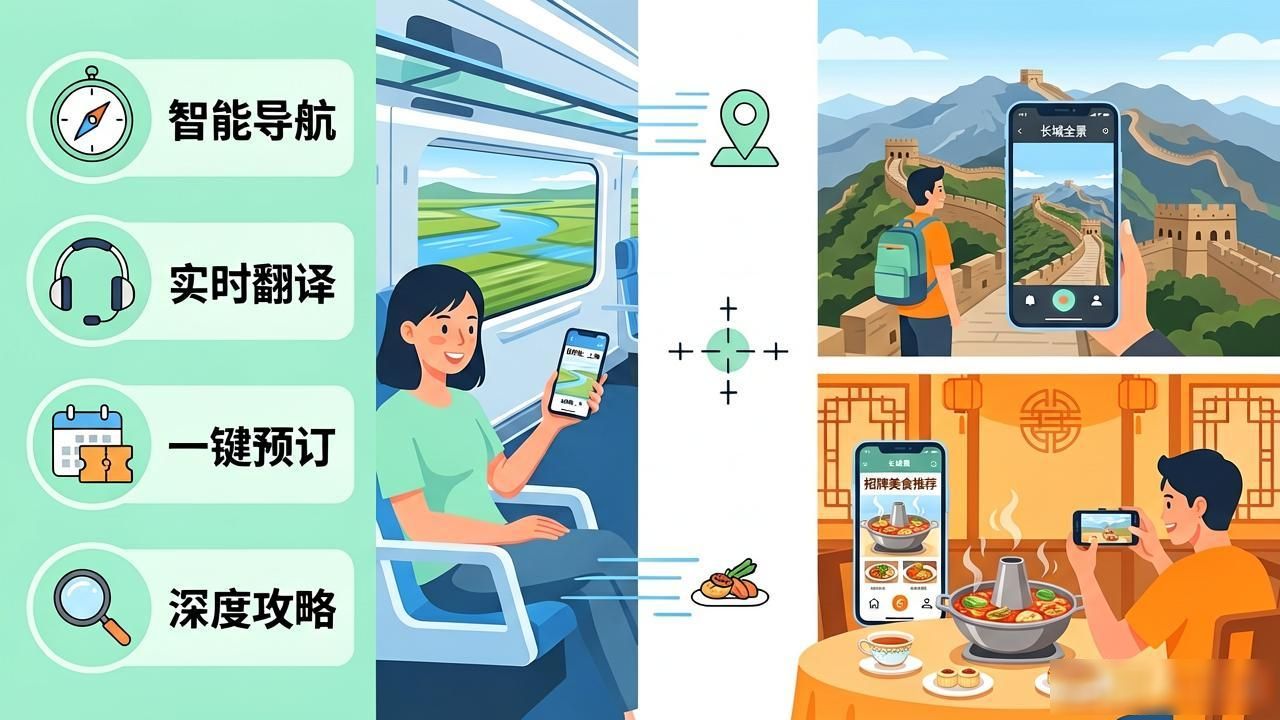
Setting up your digital wallet before arrival saves hours of frustration at immigration or in your hotel lobby. Linking your international Visa or Mastercard to Alipay or WeChat requires verification steps that can sometimes take a day to process. Ensure your passport information is accurate and matches your travel documents exactly. Many travelers underestimate the importance of having a stable internet connection. While free Wi-Fi exists in malls and cafes, it is often restricted or slow. Purchasing a local SIM card or an eSIM upon arrival guarantees uninterrupted access to these apps, which is vital for navigation and real-time translation services.
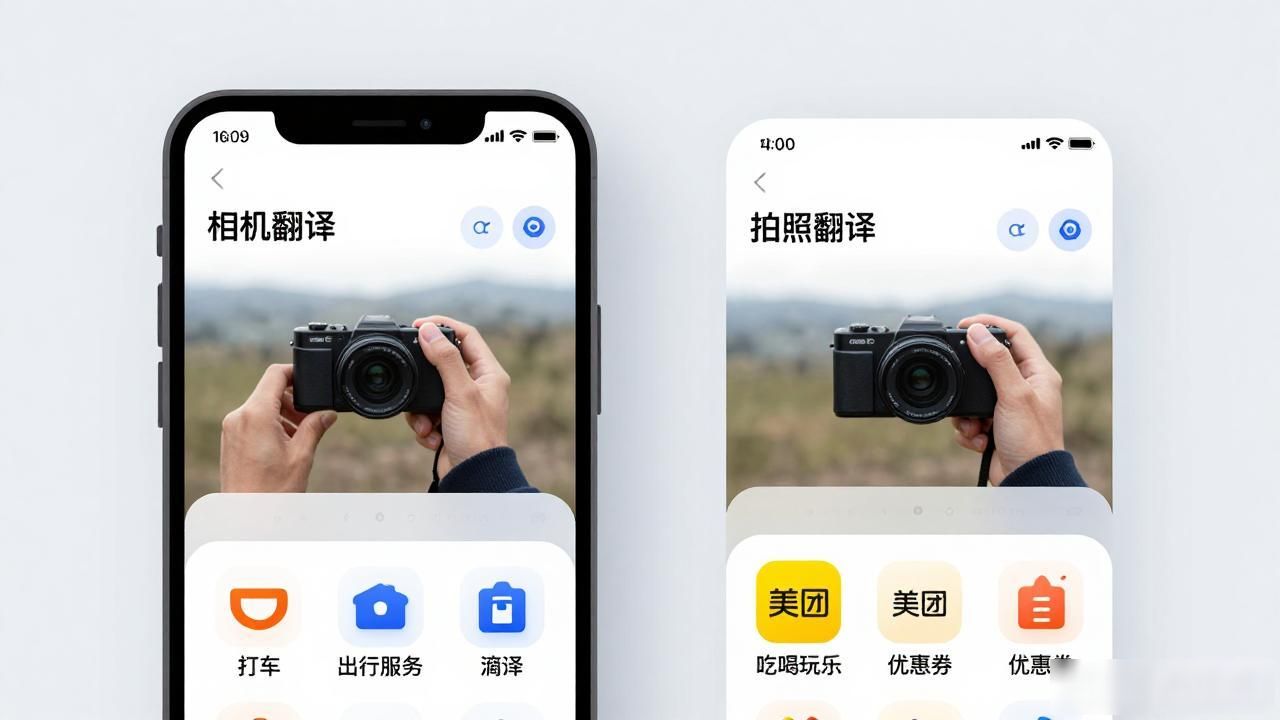
Language barriers can be bridged by downloading Baidu Translate or Tencent’s Translator, which offer camera-based translation features that work well with menus and signs. Google Translate is less effective due to connectivity issues. Familiarize yourself with the interface of Didi and Meituan, a food delivery app that rivals Uber Eats but operates on a much larger scale. Exploring local neighborhoods via Meituan allows you to discover authentic eateries that tourists rarely find. Embracing these tools transforms a potentially stressful journey into an effortlessly connected adventure, letting you focus on the culture rather than the logistics.