
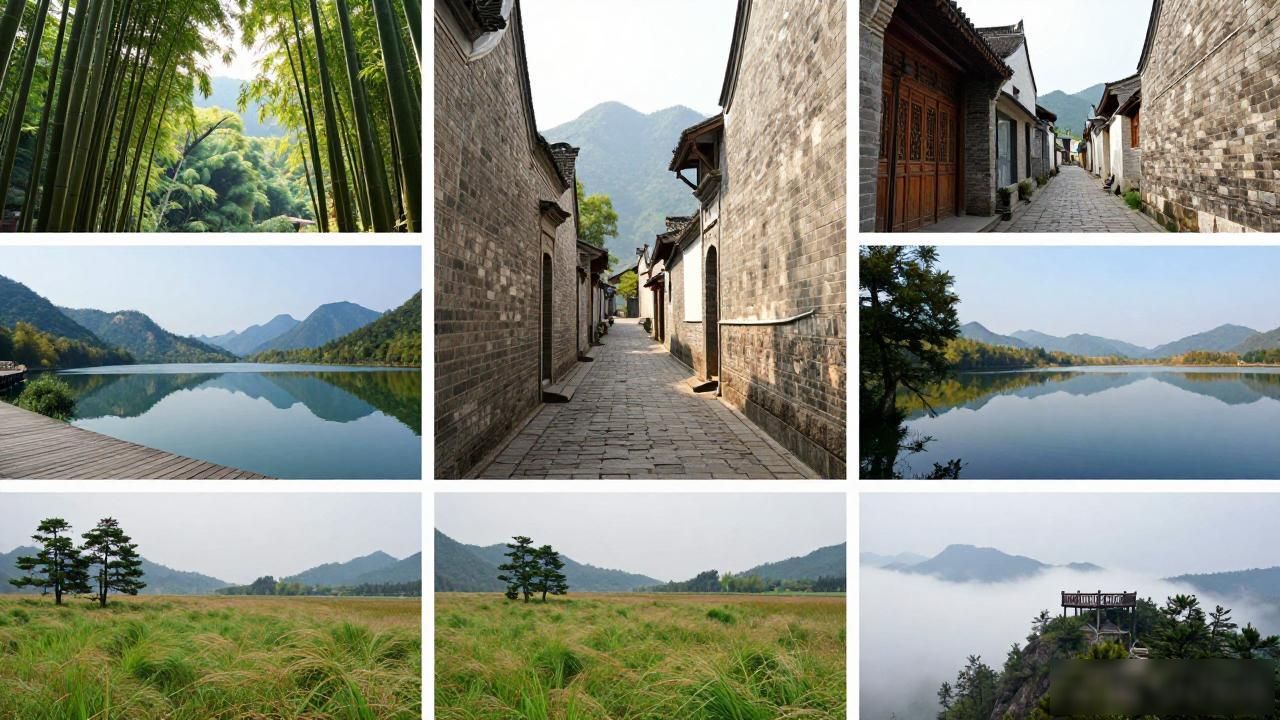
Most travelers flock to the Great Wall and West Lake, only to find themselves fighting for a clean shot among thousands of others. The real magic of Chinese photography lies in the places left off the standard itinerary. I have spent years wandering through lesser-known provinces, discovering landscapes that offer solitude, authentic culture, and raw natural beauty without the noise. This guide focuses on five specific locations where you can capture stunning images in peace, avoiding the typical tourist traps while experiencing the true spirit of the region.
Where to Find Quiet Scenic Views in China
Yunnan Province offers a diverse landscape that often goes unnoticed by international tourists who stick to the main cities. The village of Dongba Culture in Lijiang’s hinterlands provides a unique backdrop. Here, ancient Naxi architecture blends seamlessly with misty mountains. You can capture the interplay of light and shadow on traditional wooden structures without waiting in line. The early morning hours are particularly magical, as locals go about their daily routines, offering candid portrait opportunities that feel genuine and unposed.

Another hidden gem is Jingping County in Yunnan. Often called China’s last primitive forest, it features towering karst peaks and terraced fields. Unlike the crowded Longji terraces, Jingping remains largely untouched by mass tourism. Photographers can explore the Miaoyao Village, where colorful minority costumes and rustic homes create vibrant compositions. The lack of commercialization here means your photos will look timeless, capturing a way of life that is slowly fading elsewhere in the country.
Best Underrated Locations for Landscape Photography
Guizhou Province is rapidly gaining popularity but still holds many secret spots for patient photographers. The Wangmo Mountain range is a prime example. It offers dramatic cliff formations and lush greenery that rival Zhangjiajie but with a fraction of the crowds. The Huangguoshu Waterfall area has smaller tributaries that are perfect for long-exposure shots. These hidden streams allow you to experiment with silky water effects in complete silence, surrounded by dense vegetation and the sound of flowing water.
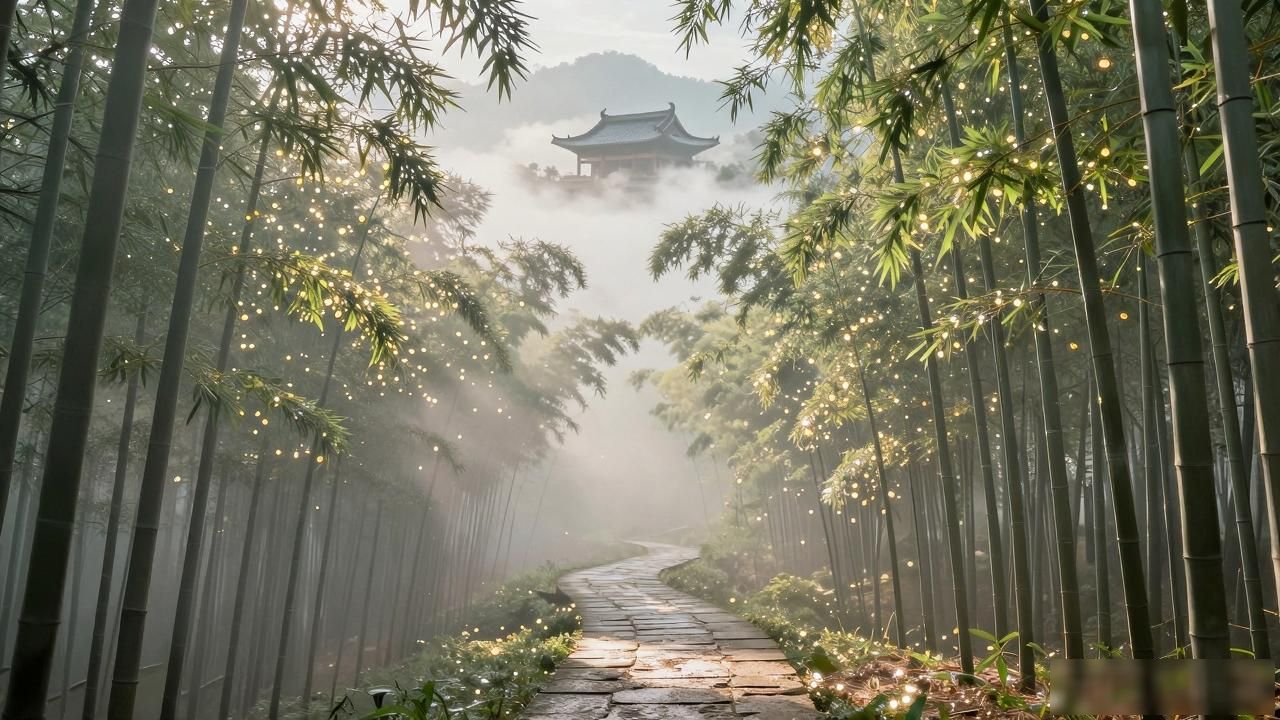
For those interested in architectural photography, the ancient villages in Anhui province beyond Huizhou are worth exploring. While Hongcun is famous, nearby Xidi and even smaller hamlets like Tachuan offer similar white-walled houses and black-tiled roofs. Tachuan is especially beautiful in spring when the peach blossoms bloom against the stark contrast of the traditional buildings. The lighting here is soft and diffused, ideal for capturing the serene atmosphere of rural China.
Tips for Capturing Authentic Moments Away from Tourists
Visiting these less crowded spots requires a bit more planning and respect for local communities. Always ask permission before photographing people, especially elders and children. Building rapport can lead to more meaningful interactions and better portraits. Many of these areas are home to ethnic minorities who value their traditions. Showing interest in their culture rather than just their appearance will open doors to exclusive shooting locations.
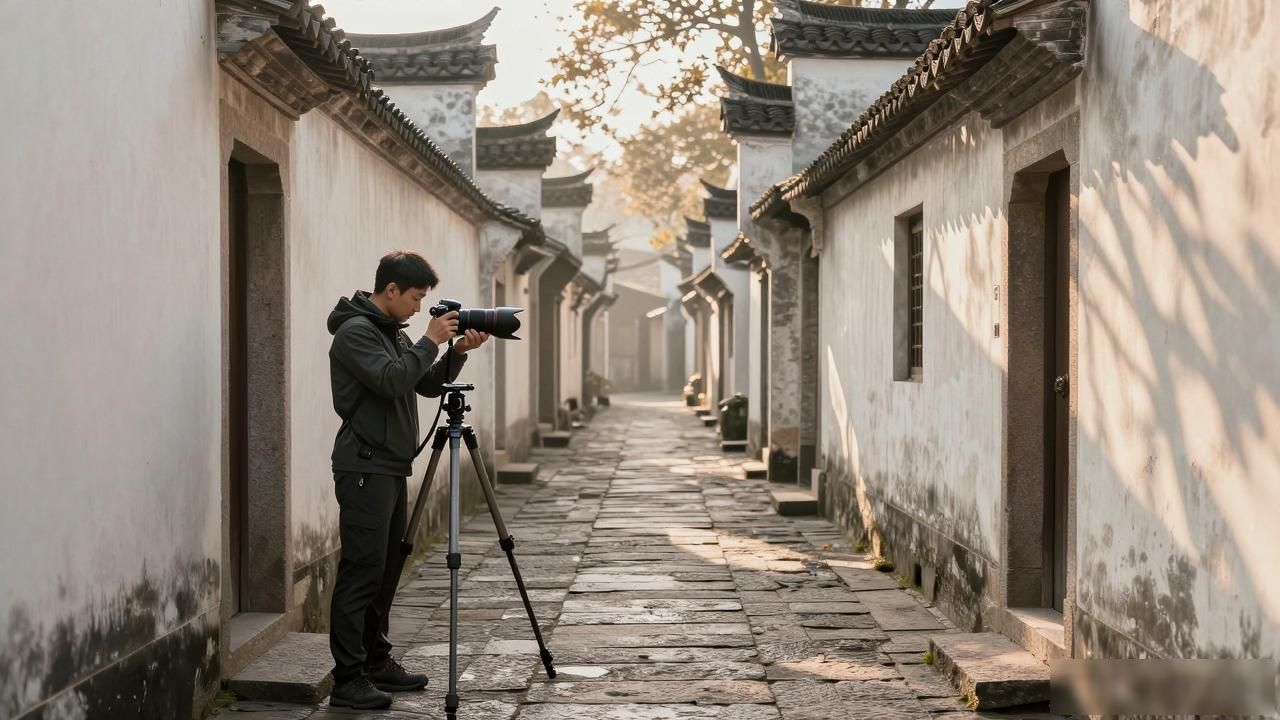
Carrying a versatile lens is essential. While wide-angle lenses capture the grandeur of mountains, a prime lens with a wider aperture is better for low-light situations in ancient alleys or indoor settings. Invest in a sturdy tripod for landscape work, as many of these quiet spots offer unique lighting conditions at dawn and dusk that require longer exposures. Patience is your greatest asset; wait for the light to change,and let the scene unfold naturally around you.
These destinations provide a refreshing alternative to China’s overvisited landmarks. By venturing off the beaten path, you not only get better photos but also support local economies that rely on sustainable tourism. The silence and space found in these locations allow for deeper creative expression. Focus on the details, the light, and the human element, and you will return with a portfolio that tells a different story about this vast and beautiful country.