
China is a vast and diverse country where food and travel are deeply connected. For first-time visitors, understanding the regional cuisines and how to navigate the country can be overwhelming but incredibly rewarding. From the spicy streets of Chengdu to the delicate dim sum of Hong Kong, your journey will be a feast for the senses. This guide covers the essentials of food and travel in China, helping you plan a trip that satisfies both your appetite and your curiosity.
What are the must-try regional dishes in China?
Chinese cuisine is not a monolith; it is a collection of distinct regional styles. In the north, particularly in Beijing, you must try Peking Duck, known for its crispy skin and tender meat. The capital also offers hearty noodle soups and lamb hotpot, perfect for colder months.

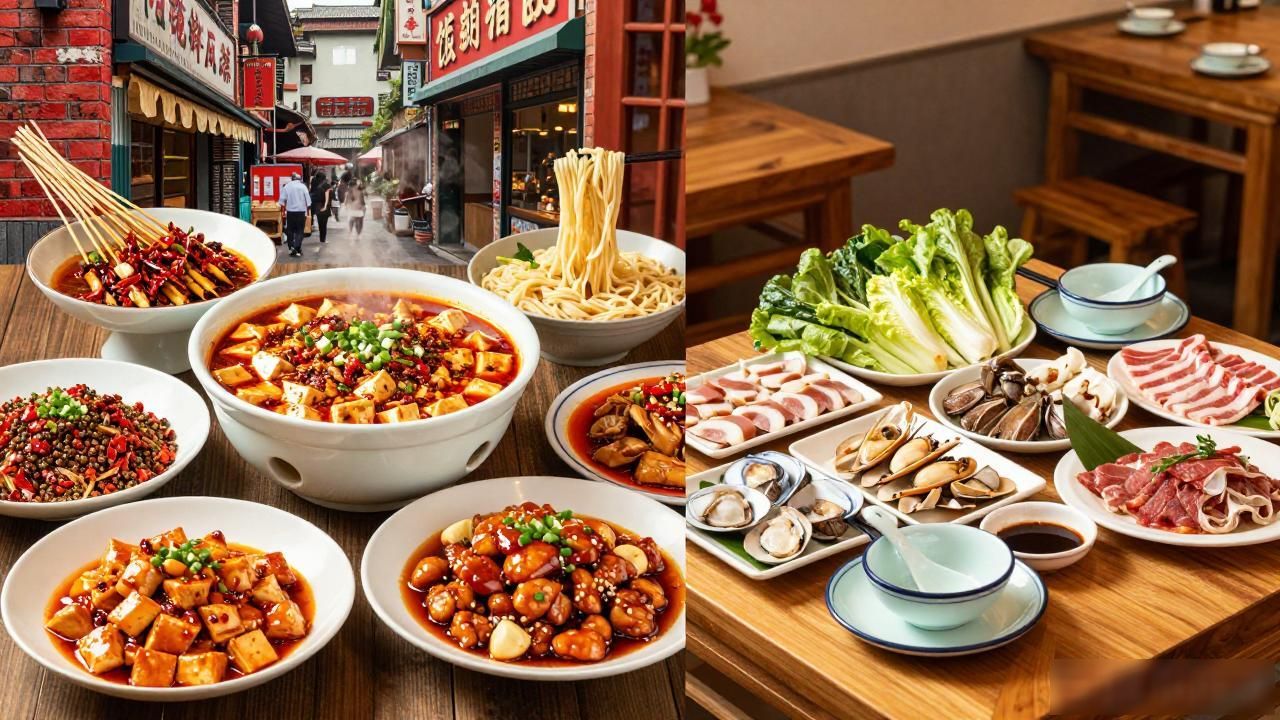
Traveling west to Sichuan, the food is defined by the bold use of chili and Sichuan peppercorns. Dishes like Mapo Tofu and Kung Pao Chicken are iconic, but don’t miss the street food, such as spicy skewers and dan dan noodles. In the south,Cantonese cuisine in Guangzhou and Hong Kong emphasizes freshness and subtle flavors. Dim sum is a must, offering small plates of dumplings, buns, and rolls. For a truly local experience, visit a morning tea house.
How to plan a food-focused travel itinerary
To make the most of your trip, focus on a few key cities rather than trying to see everything. A common route is Beijing, Xi’an, Chengdu, and Shanghai. Each city offers a unique culinary landscape. In Xi’an, the Muslim Quarter is a paradise for street food lovers, with lamb skewers and the famous biangbiang noodles.
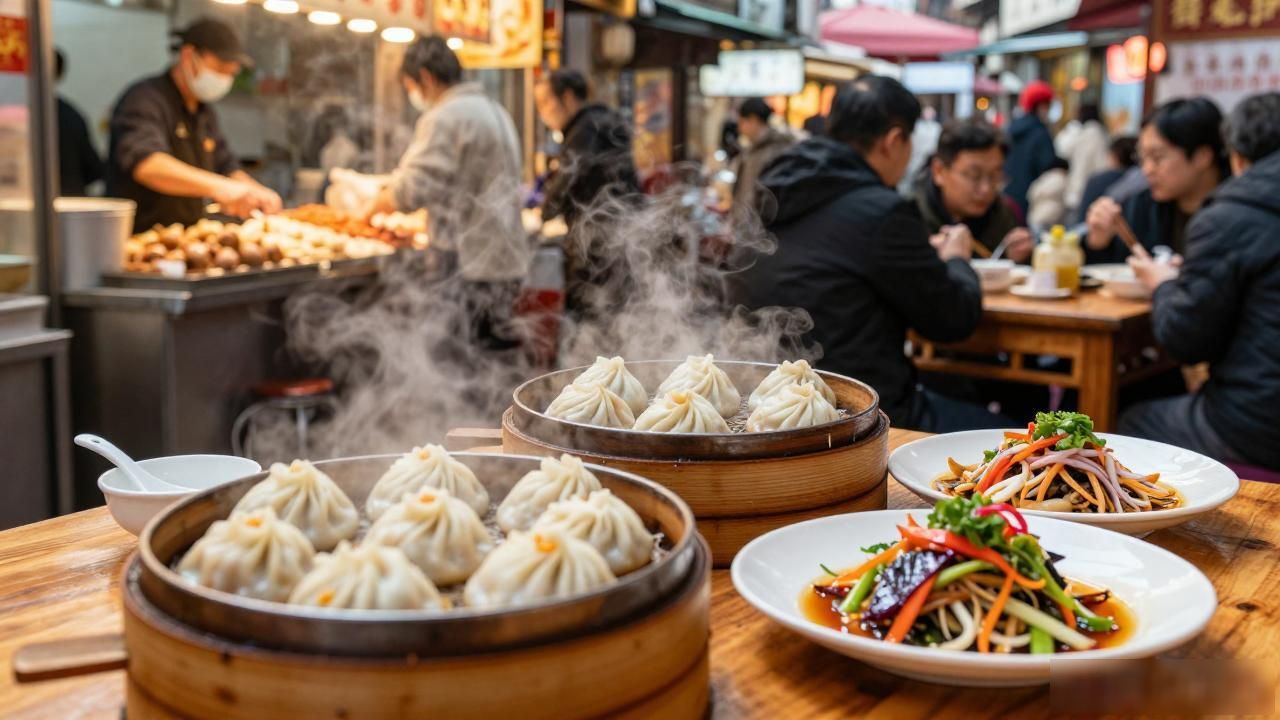
When planning, allocate time for both famous restaurants and local markets. In Shanghai, the food scene blends traditional dishes like xiaolongbao (soup dumplings) with modern fusion. Consider booking a food tour in each city. A local guide can take you to hidden gems and explain the history behind the dishes. Also, learn a few basic phrases like “bu la” (not spicy) if you have a low spice tolerance.
What travel tips should I know for eating in China
Navigating food in China requires some practical know-how. First, always carry hand sanitizer and tissues, as not all restaurants provide napkins. Second, be open to sharing tables, especially in popular noodle shops or dumpling houses. This is common and a great way to meet locals.
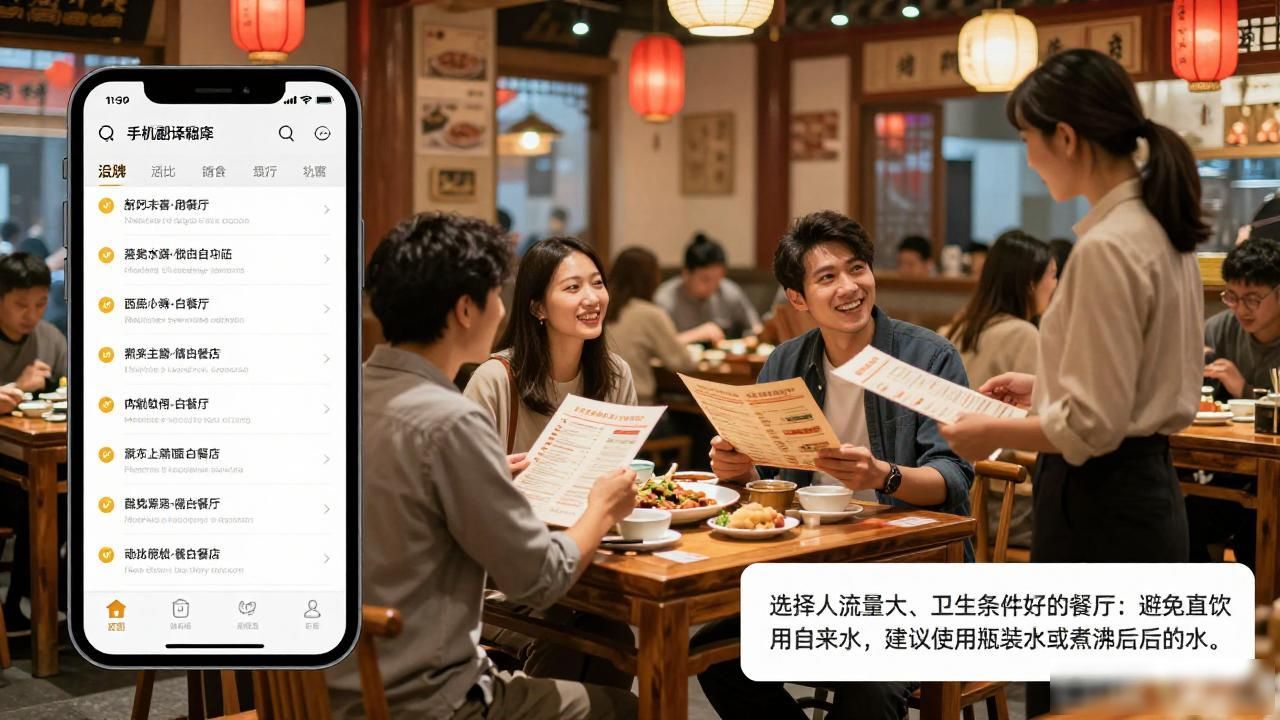
For hygiene, stick to busy restaurants with high turnover; the food is fresher and safer. Avoid tap water and only drink bottled or boiled water. When ordering, use a translation app or point at what others are eating. Tipping is not customary in most places, so don’t feel pressured. Lastly, embrace the chaos. Some of the best meals come from small, unassuming stalls where you can watch your food being made right in front of you.
The journey through China’s food and travel scene is one of discovery. Each meal tells a story of geography, history, and culture. By focusing on regional specialties and planning a thoughtful itinerary, you will leave with a full stomach and a deeper appreciation for this incredible country. So pack your bags, bring your appetite, and get ready for an unforgettable adventure.