
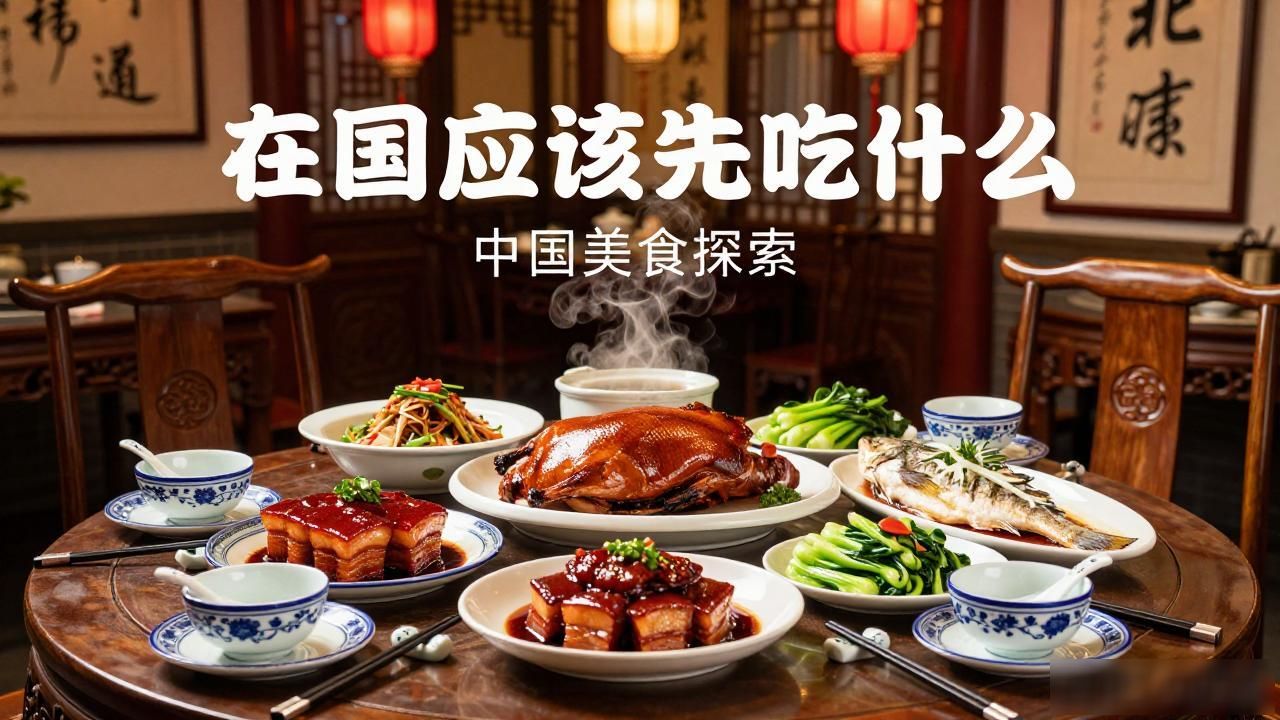
China food exploration is not just about eating—it’s about diving into a culture that has perfected flavor for thousands of years. You cannot understand China without first tasting its food. From the spicy streets of Sichuan to the delicate dim sum of Guangdong, every region offers something unique. This is a journey for your taste buds.

What should I eat first in China
If you are new to China food exploration, start with the most iconic dishes. Peking duck is a must—crispy skin, tender meat, and thin pancakes wrapped together. Do not miss xiaolongbao, or soup dumplings, where hot broth bursts in your mouth. For something bold, try mapo tofu: soft tofu in a fiery, numbing sauce. These dishes are not just popular; they define what Chinese food is about. Street food is also essential. Grab a jianbing (savory crepe) from a morning stall, or sample chuan’r (grilled skewers) at night markets. Each bite tells a story of local life. Remember, eating in China is social. Share dishes with friends. That is how locals enjoy meals.
How to find authentic local food in China
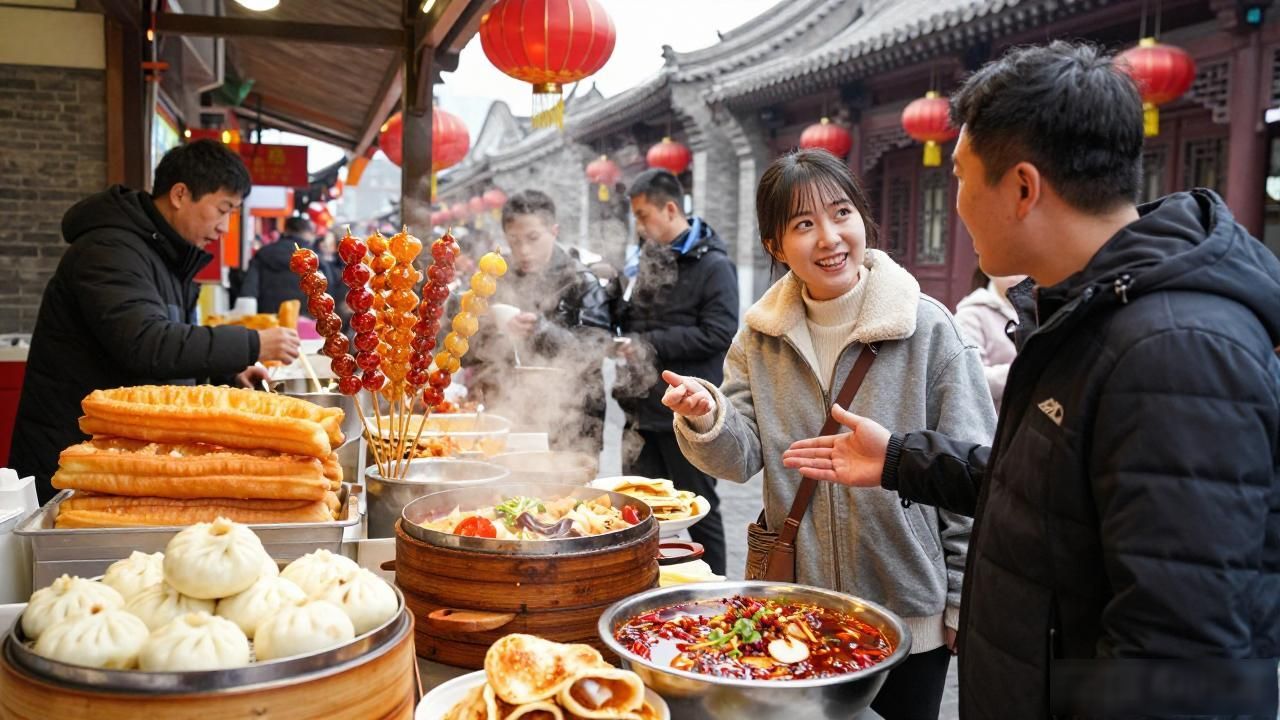
The best food is often hidden. Avoid tourist-heavy areas. Instead,look for small, crowded restaurants where locals line up. In Beijing, walk through hutongs for family-run noodle shops. In Chengdu, follow the smell of chili oil to hole-in-the-wall spots. Use your eyes: if a place is packed at lunch, it is good. Do not be afraid to point at what others are eating. Many menus have no English. Carry a translation app for key words like “spicy,” “soup,” or “dumpling.” Also, visit wet markets. They are not just for shopping. Cooks buy fresh ingredients there daily. You can see what is in season. Try roasted chestnuts in winter or fresh lychees in summer. These experiences make China food exploration real. You taste the land, the seasons, and the people.
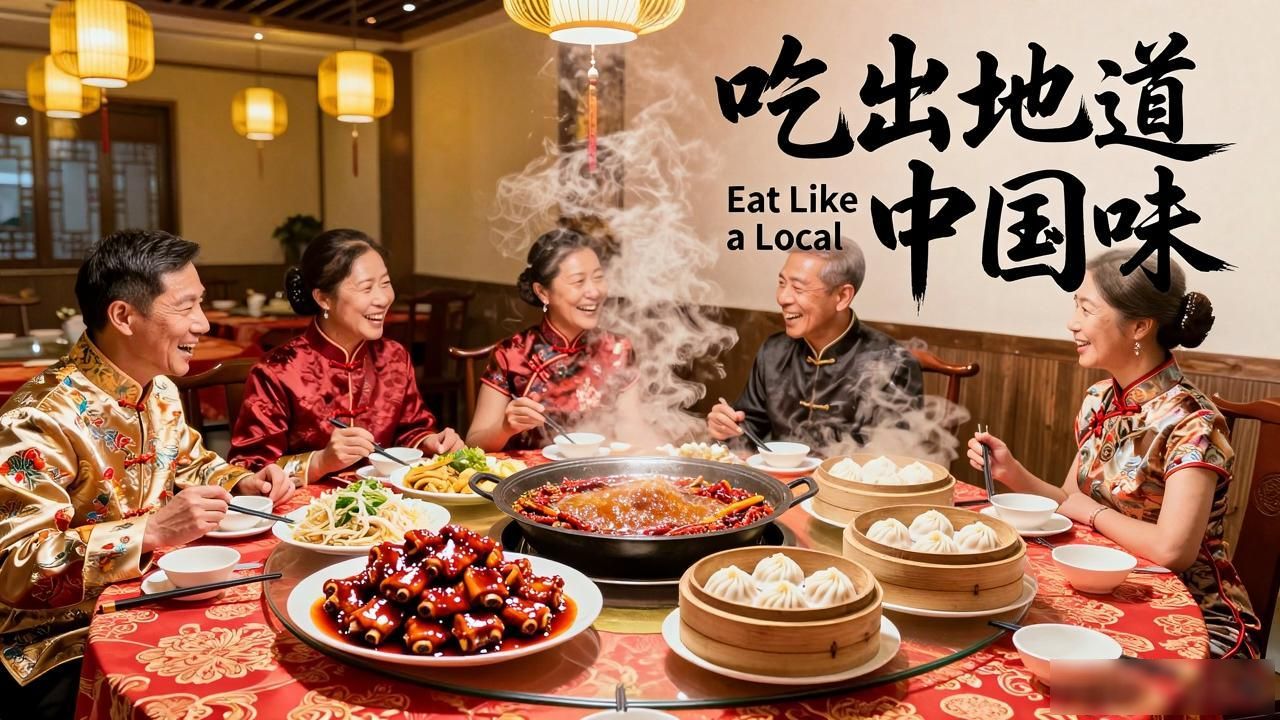
China food exploration is endless. Every meal is a new adventure. So go out, sit at a sticky table, and eat like a local. Your stomach will thank you.