
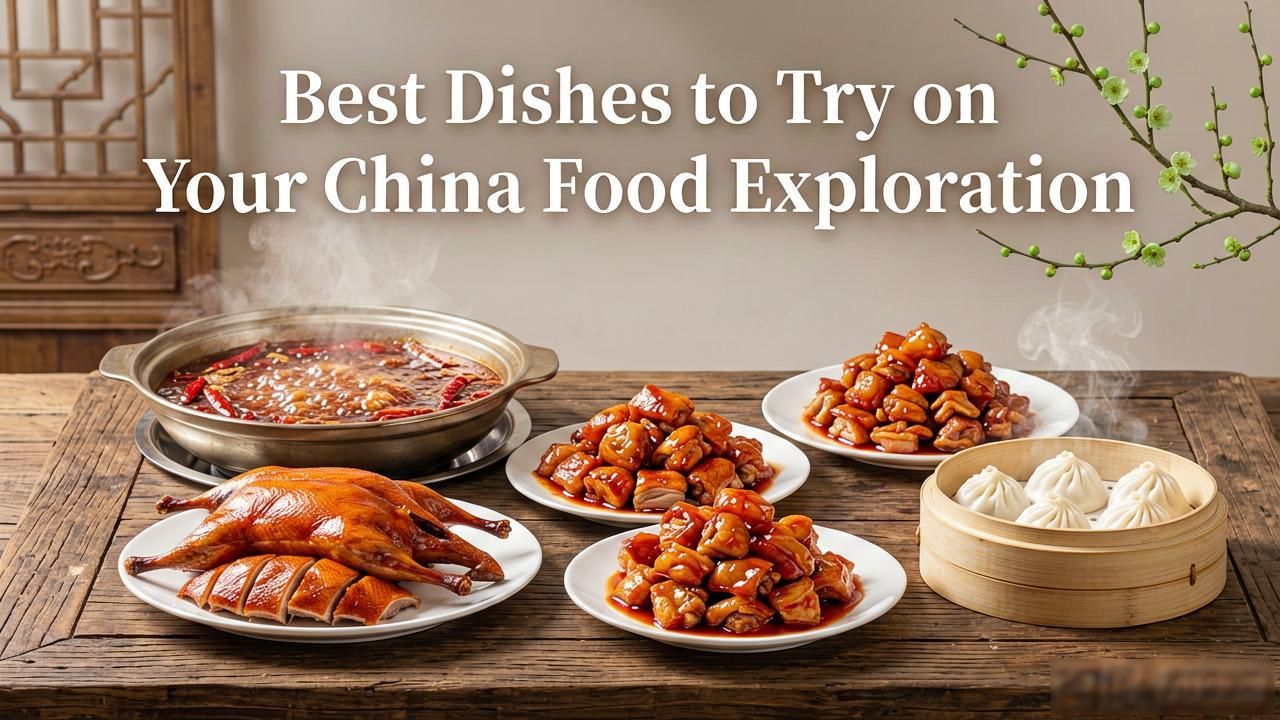
China food exploration is a journey into one of the world’s richest culinary traditions. With thousands of years of history and vast regional diversity, Chinese cuisine goes far beyond the takeout menus many foreigners know. From street stalls to banquet halls, every region offers unique flavors, ingredients, and cooking methods that tell the story of its people and land.
What makes Chinese food so different across regions
The first thing you notice when exploring Chinese food is how much it varies from place to place. In the north,wheat dominates. Noodles, dumplings, and steamed buns are everyday staples. Beijing’s signature Peking duck is a must-try, with its crispy skin and thin pancakes. Head to the northwest, and you’ll find lamb skewers seasoned with cumin and chili, reflecting Central Asian influences. The food there is simple but bold.
In contrast, the south relies heavily on rice. Cantonese cuisine, from Guangdong and Hong Kong, emphasizes freshness and subtle seasoning. Dim sum, with its bite-sized dumplings and buns, is a social meal meant for sharing. Sichuan province, in the southwest, is famous for its fiery use of chili and Sichuan peppercorns. The numbing heat of mapo tofu or hot pot is an experience every food explorer should have. Eastern regions like Jiangsu and Zhejiang focus on sweetness and delicate presentation, with dishes like braised pork belly and lotus root soup.

How to start your own China food journey
You don’t need to visit every province to appreciate Chinese cuisine. Start by exploring the most iconic dishes that represent different regions. Order Peking duck from a restaurant that roasts it properly, not just a fast food version. Try xiaolongbao, the soup-filled dumplings from Shanghai, and learn to eat them without burning your tongue. Look for authentic Sichuan hot pot where you cook raw ingredients in a bubbling broth of chilies and spices.
Street food is also a great entry point. In any Chinese city, you’ll find vendors selling jianbing, a savory crepe filled with egg, sauce, and crunchy bits. Skewers of grilled meat or tofu, often called chuan, are perfect for a quick snack. Don’t be afraid to try things that look unfamiliar. Many travelers find that the most memorable meals come from small, unassuming stalls. Also, learn to use chopsticks properly and understand basic dining etiquette, like using the opposite end of your chopsticks to pick food from shared plates.
Chinese food exploration is not about ticking off a list of dishes. It’s about understanding a culture through its flavors, textures, and traditions. Every meal tells a story of geography, history, and local life. Whether you’re eating dumplings in Beijing or noodles in Xi’an, you’re connecting with something ancient and deeply human. Start with one region, one dish, and let your curiosity guide you. The journey is as rewarding as the destination.