
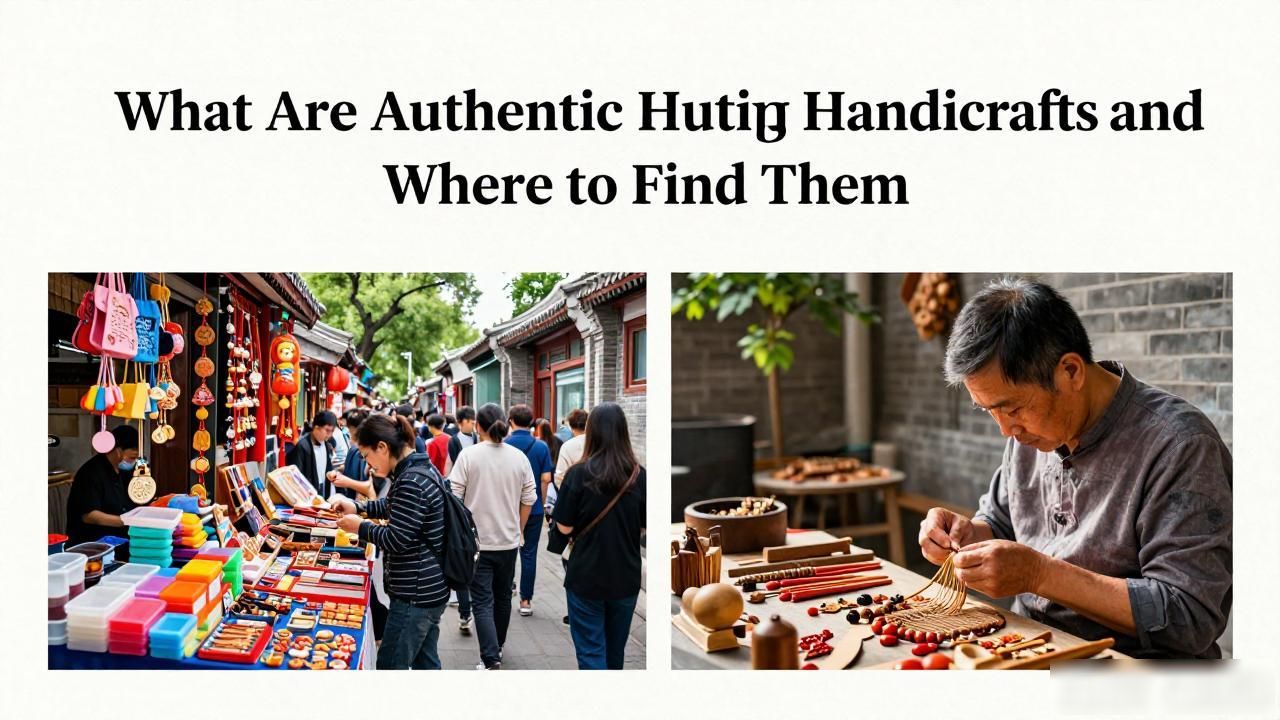
The narrow alleys of Beijing’s old city hold more than just history; they cradle living traditions that have survived centuries of change. For travelers seeking to move beyond generic souvenirs, understanding authentic Hutong handicrafts offers a direct line into the soul of the capital. These items are not merely decorative objects but tangible connections to the daily lives, artistic sensibilities, and resilient spirit of Beijing’s original inhabitants. When you step into these courtyards, you are stepping into a museum that breathes, where every brushstroke and stitch tells a story of continuity amidst modernization.
Why Are Hutong Handicrafts Unique Compared to Market Goods?

Walking through the chaotic stalls of major tourist markets often leads to mass-produced trinkets that lack character. In contrast, authentic crafts found within the Hutongs are defined by their provenance and the personal touch of the maker. You will find artisans who have dedicated decades to mastering specific techniques, creating pieces that carry an imperfection which proves their humanity. This distinction is crucial for collectors and conscious consumers who value cultural heritage over convenience. The items here are often small-batch, sometimes even one-of-a-kind, reflecting the immediate environment and the moods of the artist rather than a factory assembly line.
The materials used also tell a deeper story. Local paper, traditional silk, and native woods are sourced with an awareness of regional sustainability that industrial producers ignore. By purchasing from these artisans, you support a lineage of knowledge that might otherwise vanish. This creates a unique bond between the buyer and the object, transforming a simple purchase into an act of preservation. It is about respecting the slow pace of creation in a fast-paced world, ensuring that these skills remain vibrant rather than becoming relics of the past.
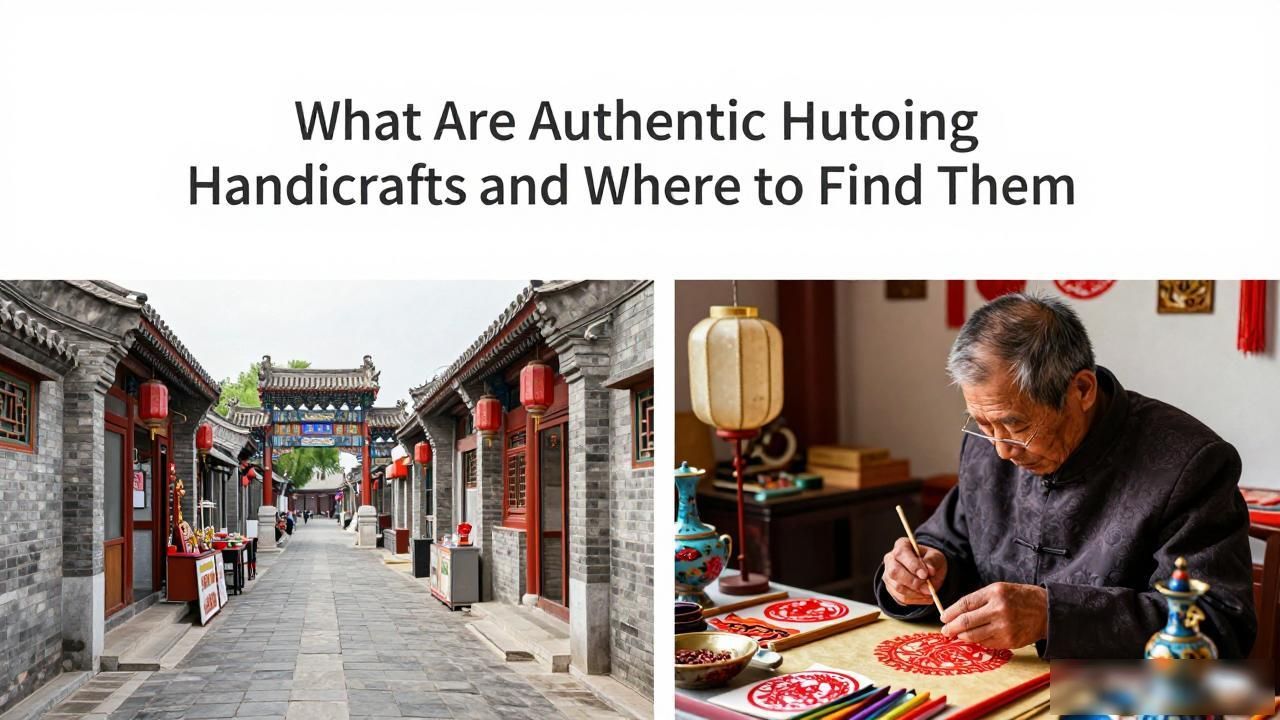
How Can Tourists Identify Genuine Artisans in the Alleys?
Navigating the labyrinthine streets requires a keen eye and a willingness to engage. Genuine artisans rarely shout for attention; instead,they invite you into their workspace to watch the process unfold. Look for studios where you can see the tools in use, often worn from years of practice. Engaging in conversation with the maker provides immediate insight into their dedication. Ask about the origins of their designs or the specific challenges of their craft. This interaction reveals whether they are true custodians of the art form or merely distributors of imported goods.

Additionally, observe the display and pricing. Authentic pieces command respect for their labor-intensive nature. While not always expensive, they are rarely cheap enough to suggest machine production. Supporting these local economies helps maintain the social fabric of the neighborhoods. Every purchase contributes to the viability of these traditional trades, allowing young apprentices to see a future in these ancient arts. It is a practical way to ensure that the cultural identity of Beijing remains robust and relevant for generations to come.