
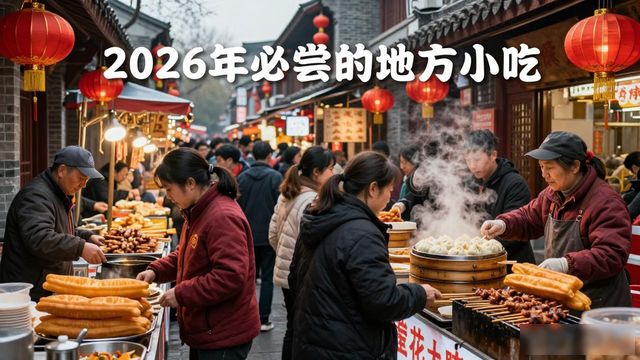
If you’re visiting China in 2026, the local street snacks are more than just food—they’re a window into the daily life, culture, and flavors that have been passed down for generations. From sizzling skewers to steaming dumplings, Chinese street food offers a sensory overload that no restaurant can replicate. I’ve spent years exploring night markets and alleyways, and I’ve seen how each bite tells a story of the region it comes from.
What street snacks do locals actually eat every day

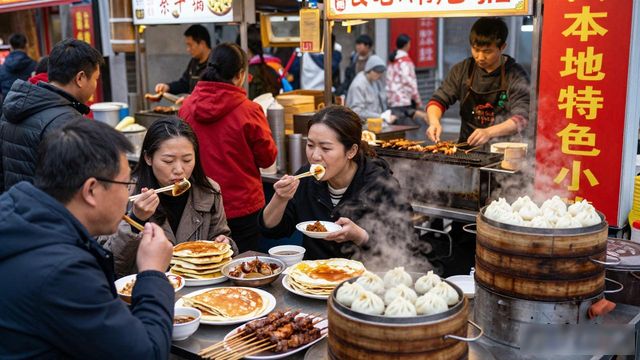
Tourists often flock to the same overpriced stalls, but locals know where the real gems are. In Chengdu, you’ll find ma la tang—a spicy hotpot-on-a-stick that’s eaten on the go. Every cart has its own secret spice blend, and regulars know exactly which vendor uses the freshest chilies. In Beijing, it’s not just the famous Peking duck. The real street staple is jian bing, a crispy crepe filled with egg, scallions, and a crunchy fried wonton wrapper. I’ve watched old ladies make these in under two minutes, their hands moving like clockwork.
In Shanghai, the scene shifts to sheng jian bao—pan-fried pork buns with a crispy bottom and a juicy filling. These aren’t the delicate soup dumplings you get in a fancy restaurant. These are rough, loud, and eaten standing up with a plastic spoon. The oil sizzles, the steam escapes, and you burn your tongue a little—but that’s part of the experience. Every city has its own version, and locals will defend their favorite stall like a family heirloom.
How to find safe and authentic street food stalls
Safety is a real concern for travelers, and I get it. But the idea that all street food is dirty is outdated. In 2026, most major cities in China have tightened food safety regulations. The trick is to look for stalls with high turnover. If a vendor is busy, the ingredients are fresh. I always look for places where the locals line up—especially older folks and families. They know which stalls have been around for years.
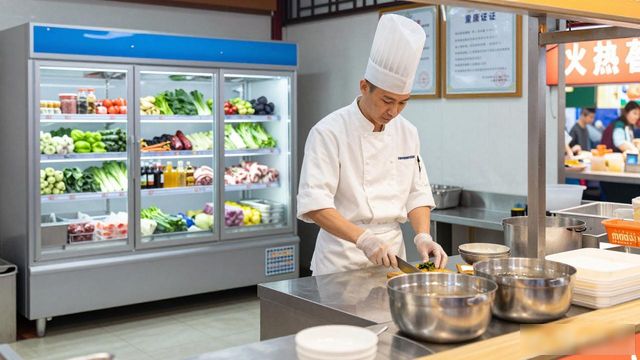
Another sign is the setup. A clean workspace, gloves worn by the cook, and ingredients stored in coolers are all good indicators. Avoid stalls where the food sits out uncovered for hours. In cities like Xi’an, the night markets are regulated and vendors are required to display their health permits. I’ve tried yang rou pao mo from a stall that’s been in the same spot for 25 years—the owner remembered my face after a two-year gap. That’s the kind of trust you build with street food.
Also, trust your nose. If something smells off, walk away. But if you smell garlic, chili oil, and fresh dough frying, you’re likely in the right place. Street food in China is about connection—between the cook,the customer, and the culture. Once you learn to read the signs, you’ll never go back to sit-down restaurants for local flavors.