
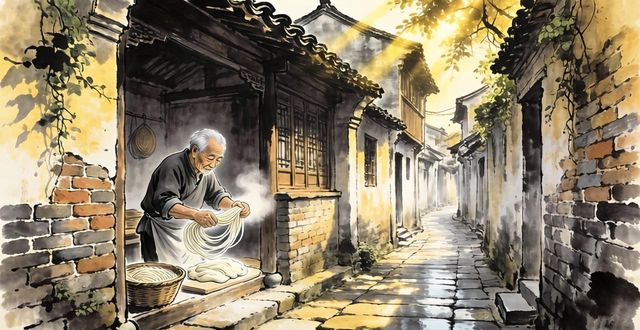
When you picture China, megacities like Shanghai or Beijing might come to mind, but the true heartbeat of Chinese culture often hides within the narrow,winding alleys of old towns. These ancient passageways, known as hutong in the north and longtang in the south, hold centuries of daily life, stories, and traditions. They are not just paths between buildings—they are living museums where past and present intertwine. For any foreign traveler willing to step off the main streets, exploring these alleys offers an authentic, unforgettable glimpse into the soul of old China.
The hidden stories behind old town alleys

Every brick and worn stone in a Chinese old town alley has a tale to tell. Unlike the polished tourist attractions, these alleys witnessed ordinary people’s joys, struggles, and routines. In a Suzhou longtang, you might find a tiny courtyard where a family has made noodles for four generations. In a Pingyao alley, the deep cart ruts on the ground remind you of the merchant caravans that once passed through. These details are easy to miss if you rush, but they are the real treasures. Listen for the clatter of mahjong tiles from an open window or the aroma of home-cooked stir-fry drifting out. That is history still breathing.
How to navigate ancient alleyways like a local

Navigating these alleys can feel like entering a maze, but that is part of the fun. First, wear comfortable shoes—many alleys have uneven flagstones or cobbles. Second, go early in the morning or late afternoon, when the light is golden and local life is most active. Do not rely solely on maps; instead, let your ears and nose guide you. Follow the sound of conversation or the scent of tea and sesame cakes. Be respectful: these are people’s homes, not a theme park. Smile, nod, and if you know a few words of Chinese, say “ni hao.” Many residents are curious and friendly, and they might invite you in for a taste of their homemade pickles or rice wine.
Preserving the soul of Chinese alleys
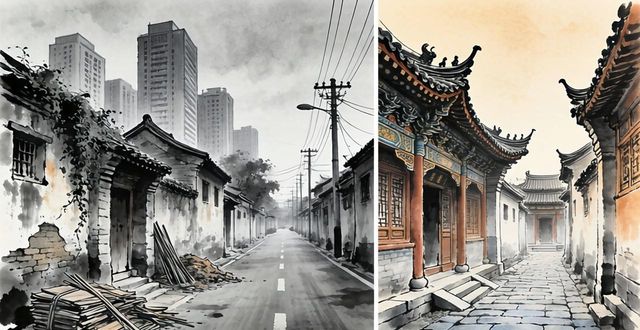
Sadly, many old town alleys are disappearing under the pressure of modern development. In cities like Beijing, entire hutong neighborhoods have been demolished for high-rises and wide roads. The government has now designated some areas as protected cultural zones, but the challenge is balancing preservation with improving living conditions. When you visit, support local businesses—the tiny teahouse, the hand-pulled noodle stall, the calligraphy shop run by an elderly artist. Your tourist dollar can be a vote for preservation. Also, take only photos, leave only footprints. Share the stories of these alleys with your friends back home, so more people understand what is at stake.
What is the most unexpected or heartwarming encounter you have had while wandering through an old alley in any country? Share your story in the comments—and if you loved this guide, give it a like and share it with a fellow traveler!