
Yunnan province in southwestern China is home to 25 ethnic minority groups, each with its own unique traditional festivals. From the water-soaked joy of the Dai people to the blazing torches of the Yi, these celebrations offer travelers an unforgettable cultural experience. This guide covers the most spectacular Yunnan traditional festivals, including their dates, customs, and practical tips for respectful participation.
When is the Water-Splashing Festival?
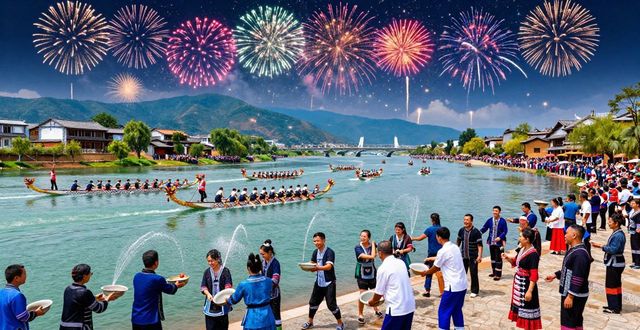
The Water-Splashing Festival is the Dai New Year, typically held from April 13 to 15 each year. It is the most famous of all Yunnan traditional festivals, attracting thousands of visitors to Xishuangbanna and Dehong. The dates follow the Dai lunar calendar, so they may shift slightly, but April is always the month. Foreign travelers should book accommodations months in advance, as local guesthouses fill up quickly. The festival officially lasts three days, but celebrations often spill into a fourth.

During the festival, people splash water on each other as a symbol of washing away bad luck and welcoming a fresh start. The first day involves dragon boat races and firework displays along the Lancang River. On the second day, you’ll see “water splashing” in full swing – young and old armed with buckets, hoses, and water guns. The final day is for Buddhist rituals, where locals visit temples to bathe Buddha statues with scented water. Remember to wear quick-dry clothes and protect your electronics.
What makes the Torch Festival unique?
The Torch Festival is the most important Yi traditional festival, usually celebrated in late June or early July according to the lunar calendar. Different Yi communities in Chuxiong, Lijiang, and Dali hold events on varying dates, but the core activities remain similar. Unlike water-focused celebrations, this festival revolves around fire, which represents the conquest of pests and evil spirits. It is also a time for praying for good harvests and family health.
At night, entire villages light enormous torches made of pine branches, paraded through fields and streets. Young men perform spectacular fire-jumping and torch-holding contests to demonstrate bravery. Women wear embroidered costumes and silver ornaments, singing folk songs in circle dances that go on until dawn. For visitors, the best experience is to join a local Yi family for their evening feast of roasted meat and buckwheat cakes. Do not touch the ceremonial torches unless invited, and always keep a safe distance from the bonfires.
Where to experience the March Fair?
The March Fair, also known as the Third Month Fair, belongs to the Bai people and takes place in Dali Ancient City around the 15th day of the third lunar month (late April to early May). This Yunnan traditional festival began as a Buddhist pilgrimage to the Chongsheng Temple, then evolved into a massive trade fair with horse trading, crafts, and performances. Today, it runs for seven to ten days, drawing vendors and performers from across Southeast Asia.
Wandering through the fair, you’ll find Bai tie-dye fabrics,marble carvings, and three-course tea ceremonies. The highlight is the horse racing competition held at the foot of Cangshan Mountain, where jockeys from different ethnic groups compete for prizes. You can also watch traditional opera performances and taste local specialties such as “sour辣 fish” and rose-flavored pastries. To avoid crowds, go on a weekday morning. Bring small cash, as many vendors do not accept cards. Respect the religious rituals at the temple, removing your shoes before entering prayer halls.
How to join the Knife Pole Festival?
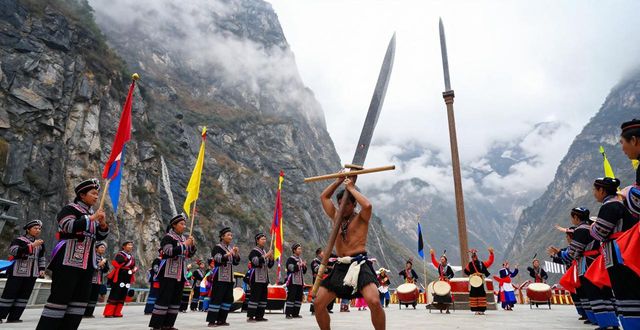
The Knife Pole Festival is a thrilling Lisu traditional festival performed on the eighth day of the second lunar month (March). The most authentic celebration takes place in Nujiang Valley, where Lisu villagers erect a tall pole fitted with sharp knives as rungs. Barefoot shamans climb this “knife pole” to demonstrate spiritual power and pray for village safety. Foreign visitors can watch from designated viewing areas, but climbing is strictly forbidden unless you are a trained local.
Before the climb, there are prayers and drum rituals led by the village shaman. Men who will climb cover their feet with a special herbal solution that is believed to protect them from cuts. Amazingly, they ascend and descend without injury, a feat that has fascinated anthropologists for decades. Besides the knife pole, you’ll also see Lisu people in colorful costumes dancing and playing the bamboo mouth organ. For the best experience, hire a local guide who can explain the religious meanings and ensure you behave respectfully. Do not touch any ceremonial items, and ask permission before taking close-up photos.
Which of these Yunnan traditional festivals would you most like to attend, and why? Share your answer in the comments, and hit like if you found this guide helpful for planning your trip.