
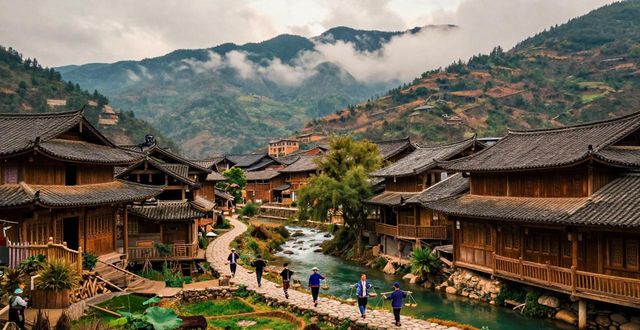
Yunnan is famous for Lijiang’s canals and Dali’s old town, but the real magic lies far from the tourist crowds. For travelers seeking authentic encounters and untouched landscapes, venturing off the beaten path in Yunnan reveals ancient villages, sacred mountains, and living traditions that mass tourism rarely reaches. This guide shares five lesser-known destinations that will transform your Yunnan journey into a true adventure.
Why go off the beaten path in Yunnan
The main tourist routes are beautiful but crowded, especially during peak seasons. When you step away from those hubs, you discover villages where daily life hasn’t changed for centuries. Local minority groups like the Yi, Hani, and Tibetan still wear traditional clothes, farm with oxen, and welcome strangers with genuine curiosity. You’ll also find lower prices, untouched nature, and the rare chance to be the only foreigner in sight. This kind of travel creates deeper connections and memories that last long after you return home.

Which hidden villages should you visit
Start with Nuodeng, an ancient Bai village perched on a mountain two hours from Dali. Known for its thousand-year-old salt wells and home-cured ham, Nuodeng feels like stepping back in time. Wander up stone staircases, peek into wooden temples, and stay overnight in a converted farmhouse. Another gem is Tongle, a cliff-side village of the Yi people, where mud-brick houses stack dramatically against a green valley. No shops or hotels – just families who may invite you for tea. For a truly remote experience, head to Cizhong in the upper Mekong valley. This Tibetan Catholic village has a stunning French-built church from 1909, blending Gothic arches with flying buttresses made of local stone.
How to get around remote Yunnan
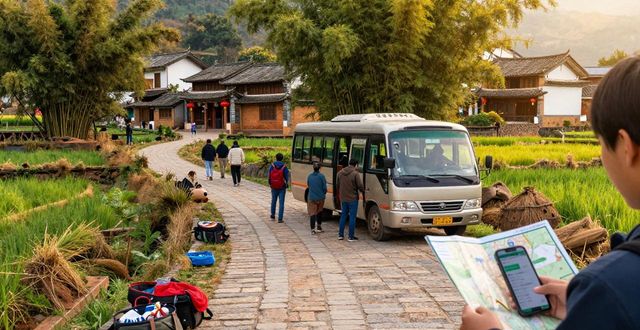
Public buses connect most towns, but reaching hidden villages often requires a final leg by shared minivan or hired motorbike. Renting a car with a driver is the most flexible option and surprisingly affordable if you share costs with fellow travelers. Download offline maps and translation apps – English is rarely spoken outside major cities. Road conditions vary from smooth asphalt to bone-rattling gravel, so pack motion sickness pills and patience. Always ask locals for the latest transport options, as bus schedules change with seasons and festivals. And remember: getting lost is part of the adventure. Some of the best experiences come from wrong turns and unexpected detours.
What to pack for off the beaten path travel
Lightweight layers are essential because Yunnan’s altitude creates dramatic temperature swings – mornings can be freezing, afternoons warm. Sturdy hiking shoes are non-negotiable for muddy trails and uneven stone paths. Bring a reusable water bottle with a filter,as remote villages lack safe tap water. A small first-aid kit with blister plasters, antiseptic, and diarrhea medication will save you trouble. Pack cash in small denominations; ATMs and card payments are rare in the countryside. Finally, leave room in your bag for handmade crafts like woven baskets or honey – souvenirs that support local families directly.
Where to eat and sleep authentically
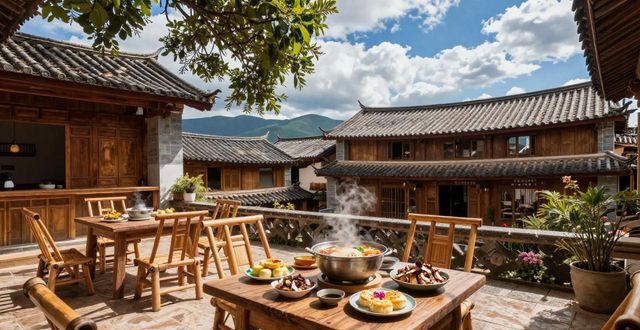
Forget luxury resorts. In hidden Yunnan, you’ll eat in family kitchens and sleep in creaky guesthouses run by villagers. Meals are simple but unforgettable: stir-fried wild mushrooms, buckwheat pancakes, river fish steamed with ginger, and endless pots of bitter tea. Ask your host what’s fresh that day. Accommodations cost 50–150 RMB per night, often without private bathrooms or central heating. But you’ll wake to roosters crowing, mist rolling over rice terraces, and the smell of woodsmoke. Book ahead during harvest festivals, but otherwise just show up – vacancy is rarely a problem when you’re the only traveler for miles.
Have you ever explored a truly remote corner of China that most tourists miss? Share your story in the comments, and don’t forget to like and save this guide for your next Yunnan adventure