

If you are planning a trip to China, you have probably heard of Beijing’s Forbidden City or Shanghai’s skyline. But there is another side of China that feels slower, older, and more grounded. That is Yunnan province, home to some of the most beautiful and well-preserved ancient towns in the country. These towns are not just tourist attractions. They are living places where people still follow traditions that go back hundreds of years. For foreign travelers looking for something real and memorable, the ancient towns in Yunnan offer a rare chance to step into a different time.
What makes these towns different from other Chinese tourist spots

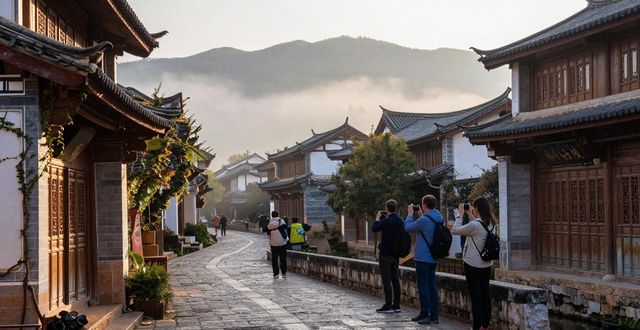
Many foreign visitors worry that ancient towns in China have become too commercial. They imagine crowded streets filled with souvenir shops and loud music. While some places have changed over the years, Yunnan’s ancient towns still keep a strong sense of history and local culture. Take Lijiang Old Town for example. It is a UNESCO World Heritage site with winding canals, stone bridges, and wooden houses that date back to the Song and Yuan dynasties. Yes, there are shops and restaurants. But if you walk away from the main square, you will find quiet alleys where local Naxi people still live and work. You can hear the sound of water flowing through the canals and see old women selling handmade embroidery on the street.
Another example is Dali Old Town. It sits at the foot of the Cangshan Mountains and looks out over Erhai Lake. The town has a relaxed, almost bohemian vibe that attracts artists and backpackers from all over the world. The streets are lined with cafes, bakeries, and small galleries. But the architecture remains traditional. The Bai ethnic group, who have lived here for centuries,still build their houses with white walls, grey tiles, and painted wooden carvings. Walking through Dali, you feel like you are in a place that has its own rhythm. It is not rushed. It is not fake. It is simply itself.
How to get the most out of your visit to these towns
If you want to really experience these ancient towns, you need to slow down. Do not try to see everything in one day. Spend at least two nights in each town. Stay in a guesthouse run by a local family. Eat at small restaurants where the menu is written on a blackboard and the cook is the grandmother. Talk to people. Even if your Chinese is limited, a smile and a few words go a long way. Many locals in tourist towns speak some English or are happy to use translation apps.
In Lijiang, take time to learn about the Naxi people and their unique Dongba script, one of the few pictographic writing systems still in use today. In Dali, rent a bicycle and ride along the shores of Erhai Lake. In Shuhe, a quieter town near Lijiang, you can walk through fields and see farmers working with water buffalo. These are not things you find in a guidebook. They are moments that happen when you let go of your schedule and just be present.
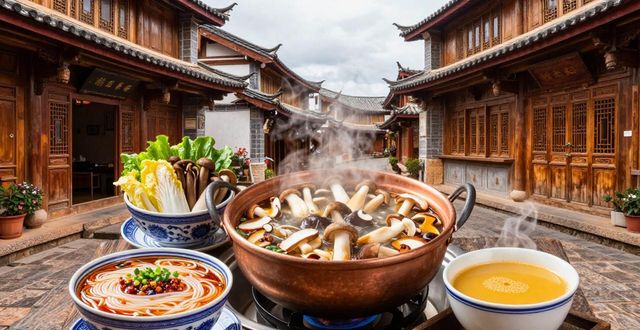
The food is another reason to stay longer. Yunnan cuisine is famous for its diversity. Try crossing-the-bridge noodles in Kunming, wild mushroom hotpot in Dali, and yak butter tea if you go further north. Each town has its own specialties, and eating local is one of the best ways to connect with the culture.
Yunnan’s ancient towns are not just places to take photos. They are places to feel something. The air is cleaner. The pace is slower. The people are warmer. For a foreign traveler, they offer a window into a China that is often hidden behind skyscrapers and fast trains. If you come with an open mind and a willingness to wander, you will leave with stories that stay with you forever.