
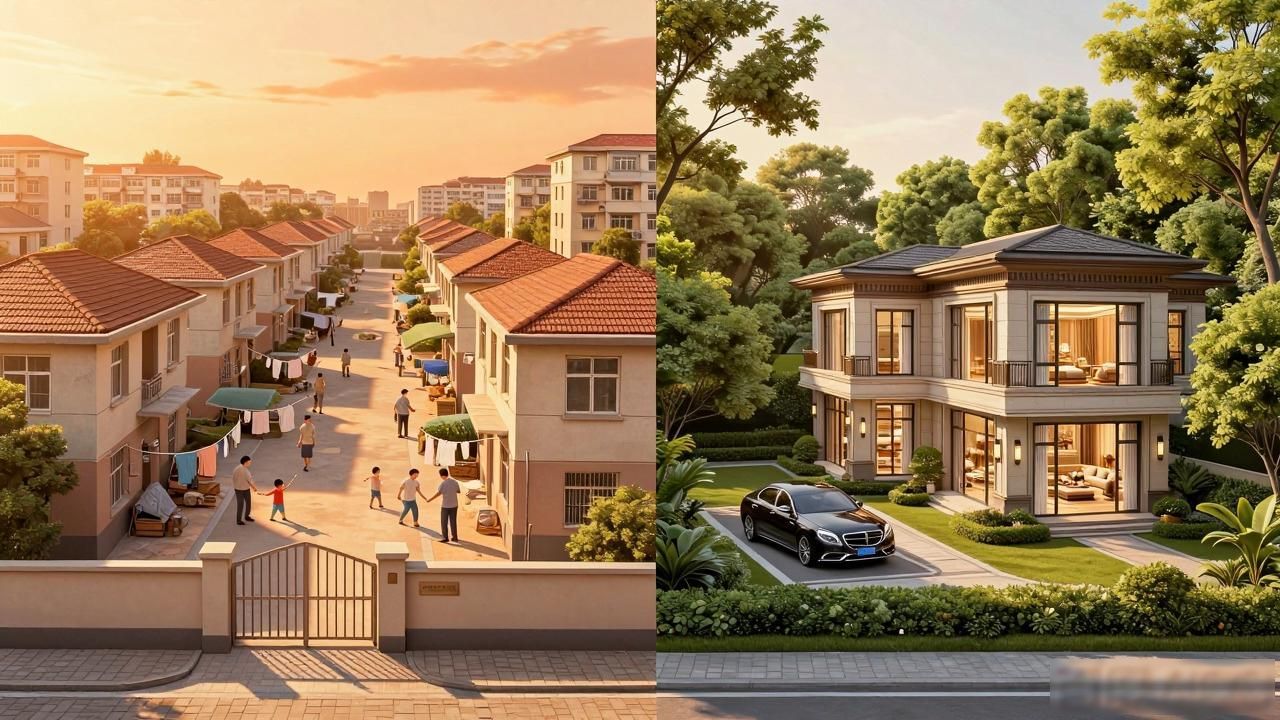
China’s modern walled cities are not ancient relics but a booming housing trend. Today, millions of Chinese families live behind walls, gates, and security checkpoints. These walled residential compounds, often called xiaoqu,are the standard form of urban living in China. They shape how people experience privacy, safety, and community in a rapidly changing society.
Are walled cities in China just for the rich

Many foreigners assume gated communities in China are luxury enclaves for the wealthy. But the reality is far more ordinary. In Chinese cities, walled compounds are the default housing model for all income levels. From low-rise public housing blocks to high-end villa complexes, walls and gates are everywhere. Even university campuses, factory dormitories, and government housing are walled off from the street. This design reflects a cultural preference for defined boundaries and controlled access. For most Chinese residents, living without a perimeter wall feels unsafe and disorderly. The wall is not about exclusivity. It is about creating a predictable, secure environment for daily life. Children play inside the compound, elderly residents socialize in shared courtyards, and vendors deliver goods through a single checkpoint. The wall becomes a container for community life.
What makes walled communities feel safe in China
Safety is the most obvious function of China’s walled cities. But the security goes beyond gates and guards. The walled design creates natural surveillance. Neighbors know each other’s routines. Strangers are quickly noticed. In many compounds, the guard knows residents by sight and checks delivery drivers. The system reduces petty crime and vandalism. But there is a psychological side too. The wall marks a clear boundary between public chaos and private order. Inside, streets are quieter. Traffic is slower. There are no random shops or unknown vehicles. This predictability is highly valued in China’s dense, fast-paced cities. For families with children or elderly members, the walled compound offers a controlled zone where daily worries are reduced. It is not about fear. It is about comfort and routine.
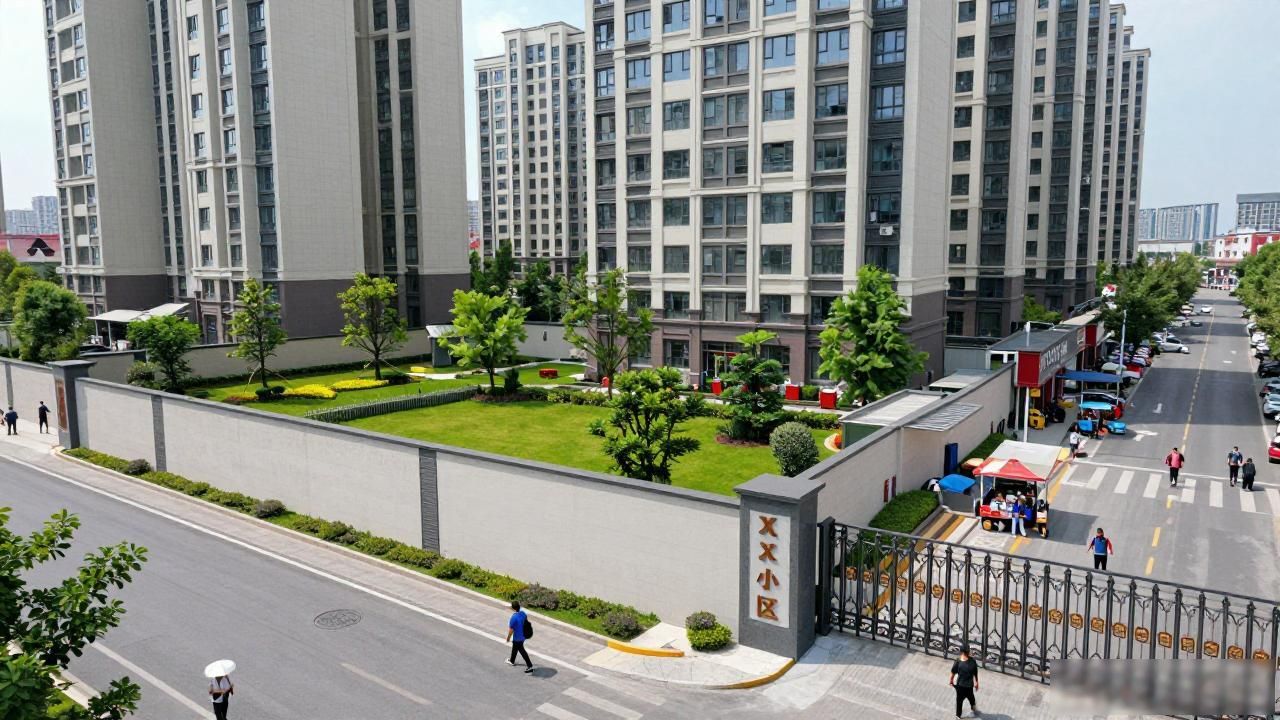
How walled cities in China affect social life
Living inside walls changes how people interact. In a walled community, social life is more localized. Residents share a defined space and common facilities like gardens, playgrounds, or small shops. Interactions happen naturally at the gate, the mailbox, or the morning exercise area. In older compounds, neighbors often know each other by name. In newer ones, WeChat groups connect residents for complaints, lost pet notices, or group buying. The walled design reduces random encounters with outsiders but increases routine contact with neighbors. This creates a neighborhood feel that is rare in open-plan Western suburbs. However, it can also mean less mixing between different social groups. Each compound tends to be economically homogeneous. The wall creates both connection and separation.
Are walled cities in China disappearing over time
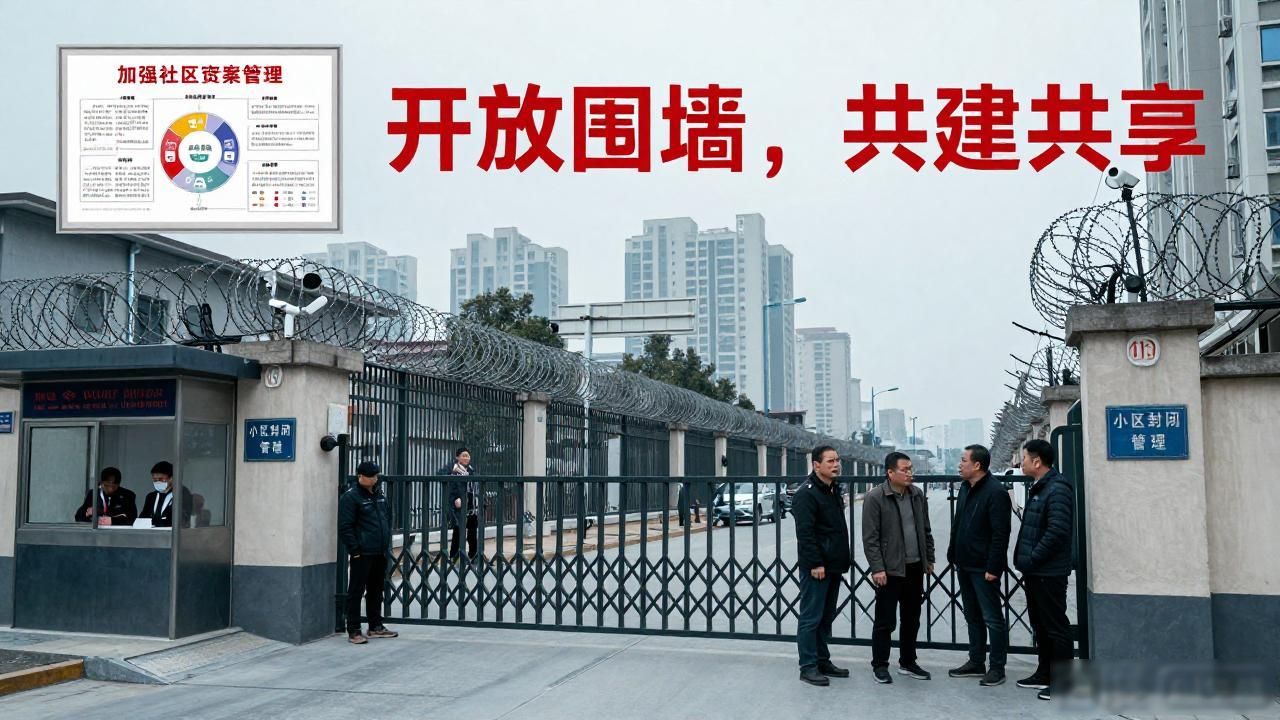
There have been government calls to open up walled compounds for better traffic flow and urban integration. In 2016, a policy proposal suggested removing walls from new residential blocks. This sparked public debate. But in practice, very few compounds have been opened. Most Chinese residents strongly oppose removing walls. They fear crime, noise, and loss of community identity. Developers also prefer walled designs because they sell better. In the current housing market, a gated compound is a selling point. The trend shows no sign of reversing. Instead, new compounds are adding smart gates, facial recognition, and even drone monitoring. The walled city in China is evolving, not disappearing. It is adapting to new technology while keeping its core function as a controlled living space.
The walled city is not a problem to be solved. It is a cultural form that meets real needs for safety, order, and community. For anyone trying to understand modern China, the walled compound is a good place to start.