
Spicy hot pot in China is far more than a meal — it’s a social ritual, a sensory overload, and a cultural institution. Whether you’re a first-time traveler or a seasoned foodie, understanding what makes this bubbling pot of chili and broth so beloved can transform your dining experience from confusing to unforgettable.
What makes Chinese hot pot so spicy

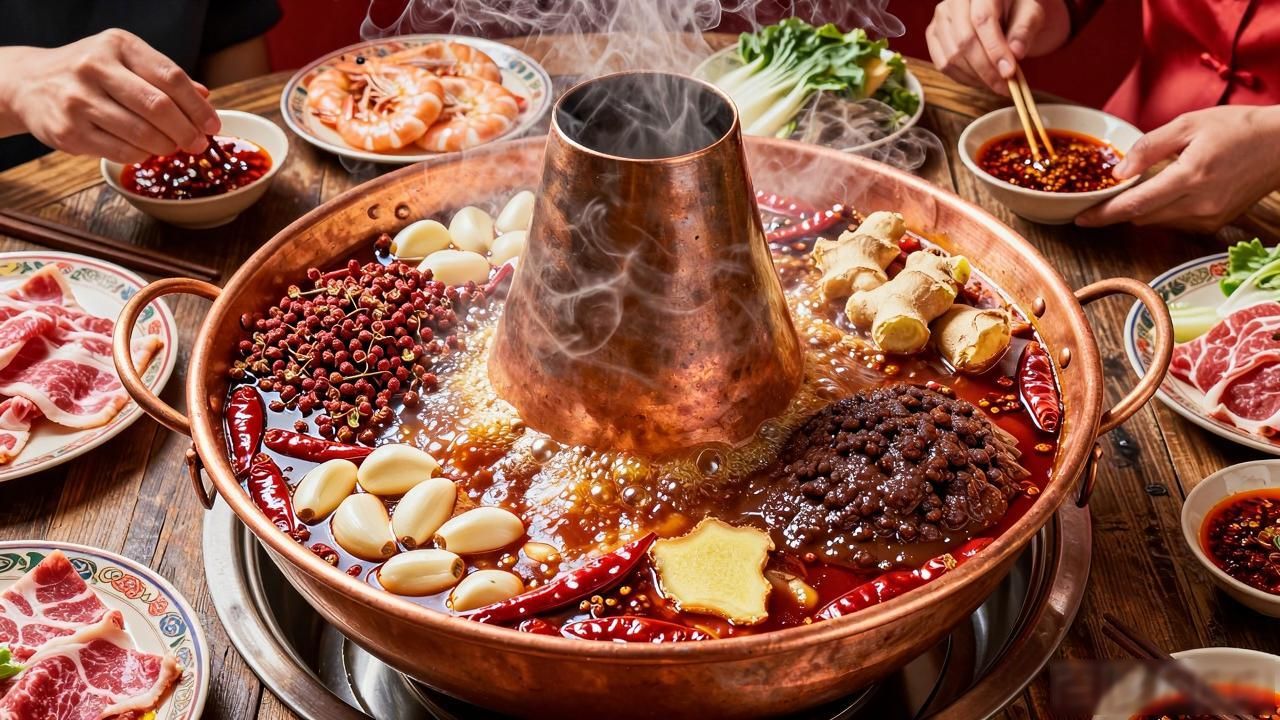
The heat in Chinese hot pot comes from a carefully balanced combination of ingredients. The most famous style is Sichuan hot pot, where the broth is infused with Sichuan peppercorns, dried chilies, garlic, ginger, and fermented bean paste. Sichuan peppercorns create a unique numbing sensation called “ma,” while the chilies deliver the “la” — together they form the signature mala flavor. Different regions have their own versions. Chongqing hot pot uses even more chili oil and beef tallow for a richer, heavier taste. Yunnan hot pot often adds wild mushrooms and herbs for a milder spice. The broth is usually split into two compartments: one spicy, one mild, so you can control your heat level. Many restaurants let you choose spice intensity from “mild” to “face-melting.” The spice isn’t just for thrill — it’s believed to warm the body and aid digestion, especially during cold months.
How to eat spicy hot pot like a local
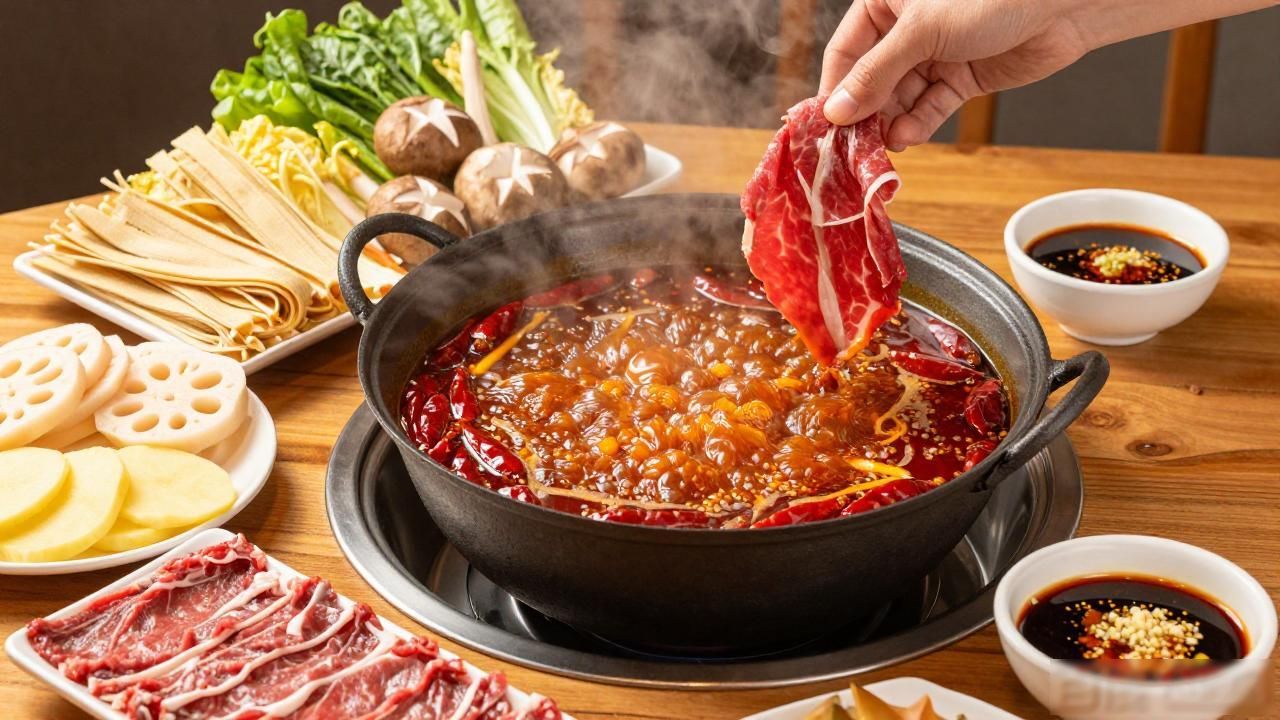
First, don’t drink the broth straight — it’s intensely oily and salty. Instead, use it to cook raw ingredients. Typical items include thinly sliced beef and lamb, tofu skin, lotus root, potato slices, mushrooms, and leafy greens. You dip cooked food into a personal sauce bowl. Common sauce ingredients include sesame paste, garlic, chopped cilantro, soy sauce, vinegar, and a spoonful of the spicy broth. The key is to cook small batches — drop a few slices in, wait 30 seconds to a minute, then fish them out with your chopsticks or a small strainer. Don’t overcook vegetables; they turn mushy fast. Share the pot with friends — hot pot is a communal activity. Conversation flows as the pot simmers. Drink cold beer or iced tea to cool your mouth between bites. And remember: the longer you eat, the spicier the broth becomes as flavors concentrate.
Which cities serve the best spicy hot pot
Chengdu and Chongqing are the undisputed capitals. In Chongqing, try a nine-grid pot, which divides the broth into compartments so you can cook different items without losing them. Chengdu hot pot is slightly more refined, with a heavier focus on aromatic spices. In Beijing, you’ll find lamb hot pot with a lighter broth, but spicy options are still available. Shanghai and Guangzhou have countless hot pot chains offering customizable broths. Many restaurants now serve single-person hot pots, but the traditional shared pot is still the heart of the experience. For the boldest spice, go to a local hole-in-the-wall spot in Chongqing where the chili oil is dark red and the steam makes your eyes water before you even sit down. These places rarely have English menus, so bring a translation app or go with a local friend.
Spicy hot pot in China is a journey through flavor, heat,and togetherness. It challenges your palate and rewards your curiosity. If you can handle the burn, you’ll discover why millions of people crave it every single day.