
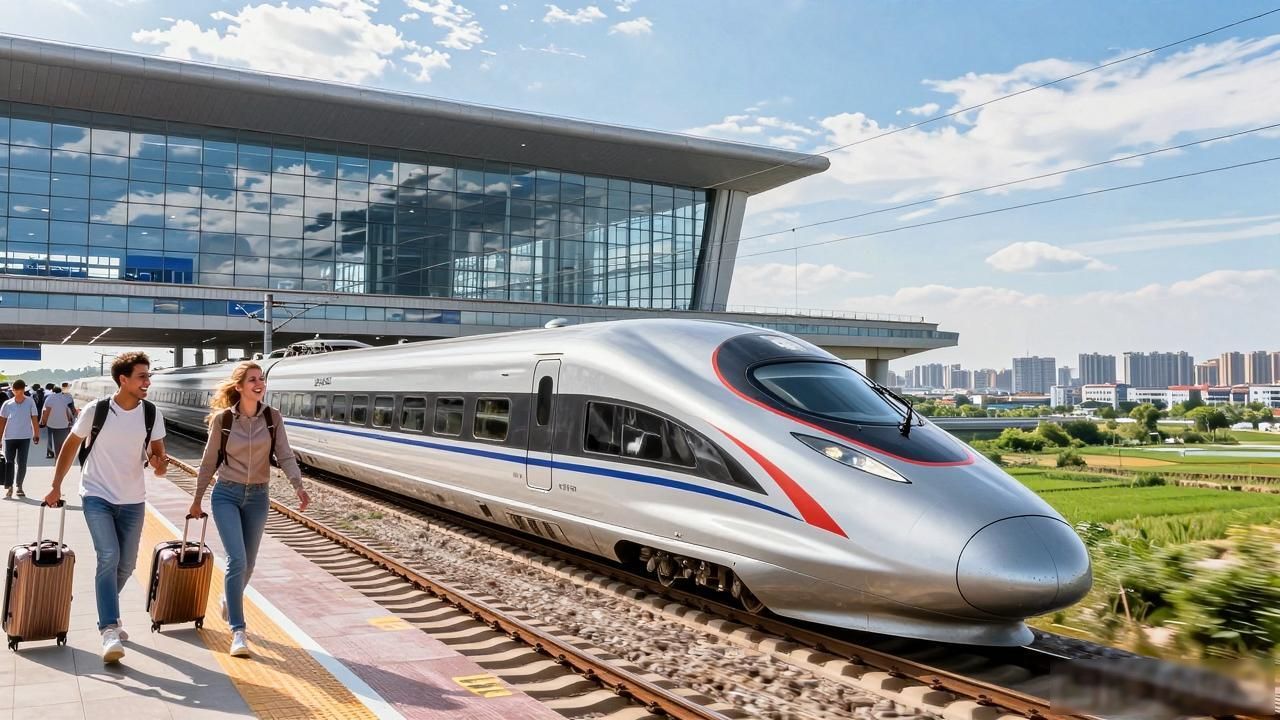
If you’ve never experienced it, you might think China high speed rail is just another train network. But once you step onto that platform and feel the train glide in silently at nearly 300 kilometers per hour, you realize it’s something completely different. This isn’t just about speed—it’s about reshaping how people think about travel across one of the world’s largest countries.
How China High Speed Rail Compares to Flying

Many people assume flying is faster. But when you factor in check-in time,security lines, and getting to and from airports that are often far outside the city, the high speed rail often saves you hours. A trip from Beijing to Shanghai is a good example. The flight itself might be two hours, but with all the extras, you’re looking at five hours door to door. The high speed train does it in four and a half, with no luggage limits that make you worry and no turbulence.
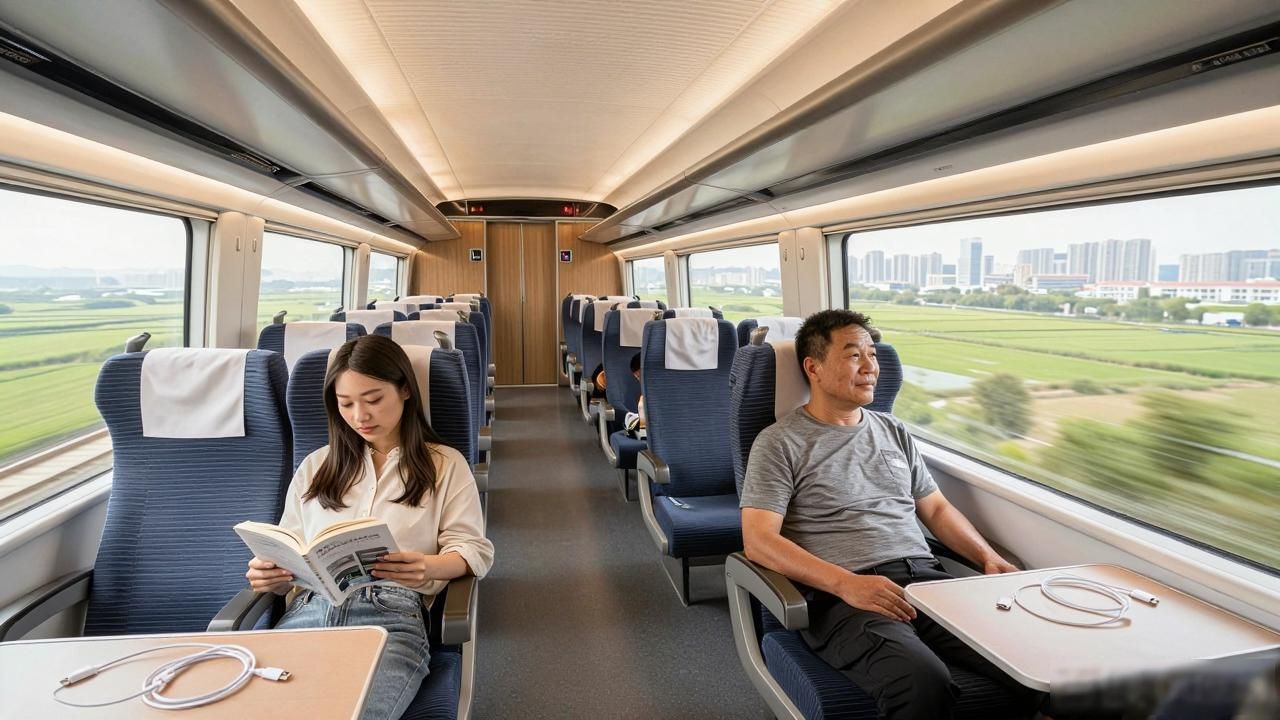
The stations are usually right in the city center, connected to subways and buses. You walk in, scan your ID, and walk to the platform. No three-hour early arrival. No pat-downs. The seats have power outlets, the WiFi actually works, and you can stretch your legs whenever you want. For a traveler used to cramped budget airlines, this is a completely different standard of comfort.
What Makes the Experience Different From Other Countries
If you’ve ridden trains in Japan or Europe, you know they are good. But China high speed rail operates on a scale that has no real equivalent. Over 40,000 kilometers of track connects almost every major city, including many smaller ones you’ve probably never heard of. You can go from the tropical south to the frozen north in a single day without switching modes of transport.
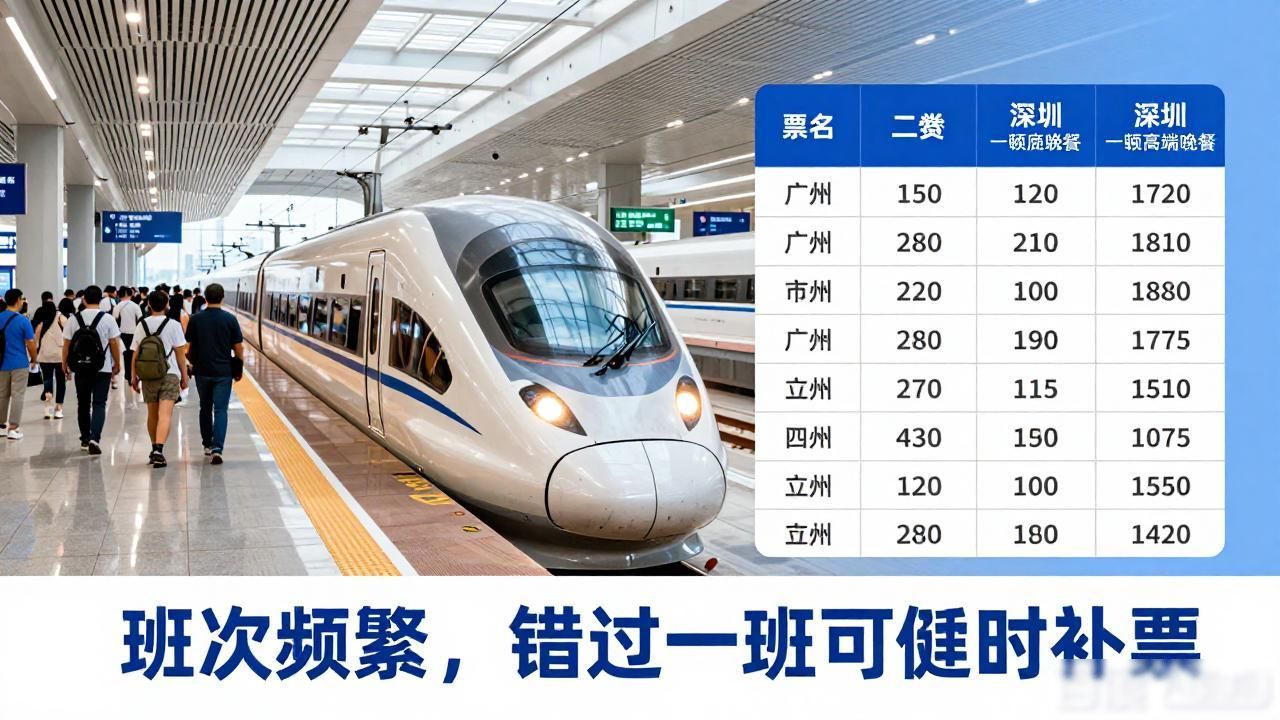
The pricing is also surprising. Second class tickets cost a fraction of what you’d pay for similar distances in Japan or France. A ticket from Guangzhou to Shenzhen costs less than a nice dinner. The trains run so frequently that you don’t need to plan too far ahead. Miss your train? Buy another one for an hour later. This level of accessibility makes it possible to explore regions that used to take days to reach by road.
For the foreign traveler, the biggest surprise is how easy it is to navigate. Signs are in English, announcements are bilingual, and the staff at major stations are used to helping international visitors. You don’t need to speak Mandarin to get from one end of the country to the other. You just need a ticket, a passport, and the willingness to see how fast modern travel can actually be.