
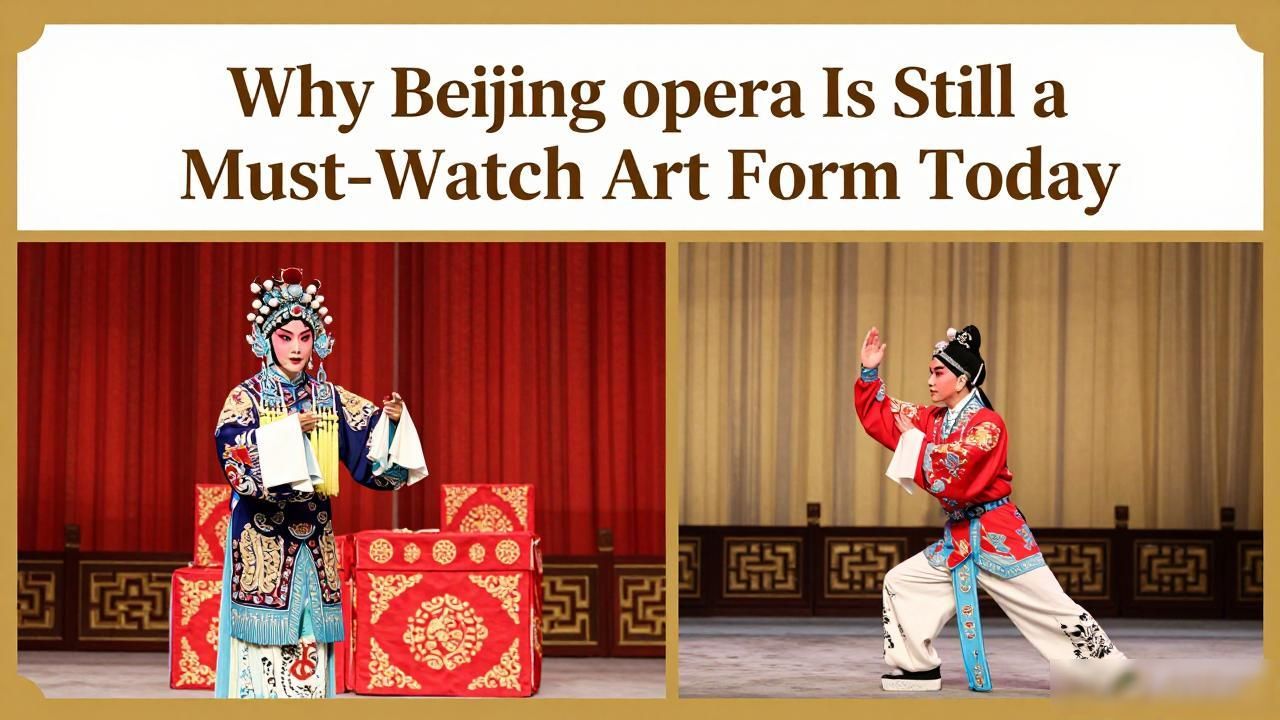
Beijing opera, or Jingju, is one of China’s most iconic traditional performing arts, blending music, vocal performance, mime, dance, and acrobatics into a single, powerful stage experience. For many foreigners, it might seem distant or hard to understand, but once you know what to look for, it becomes an unforgettable cultural journey.
What makes Beijing opera different from Western theater

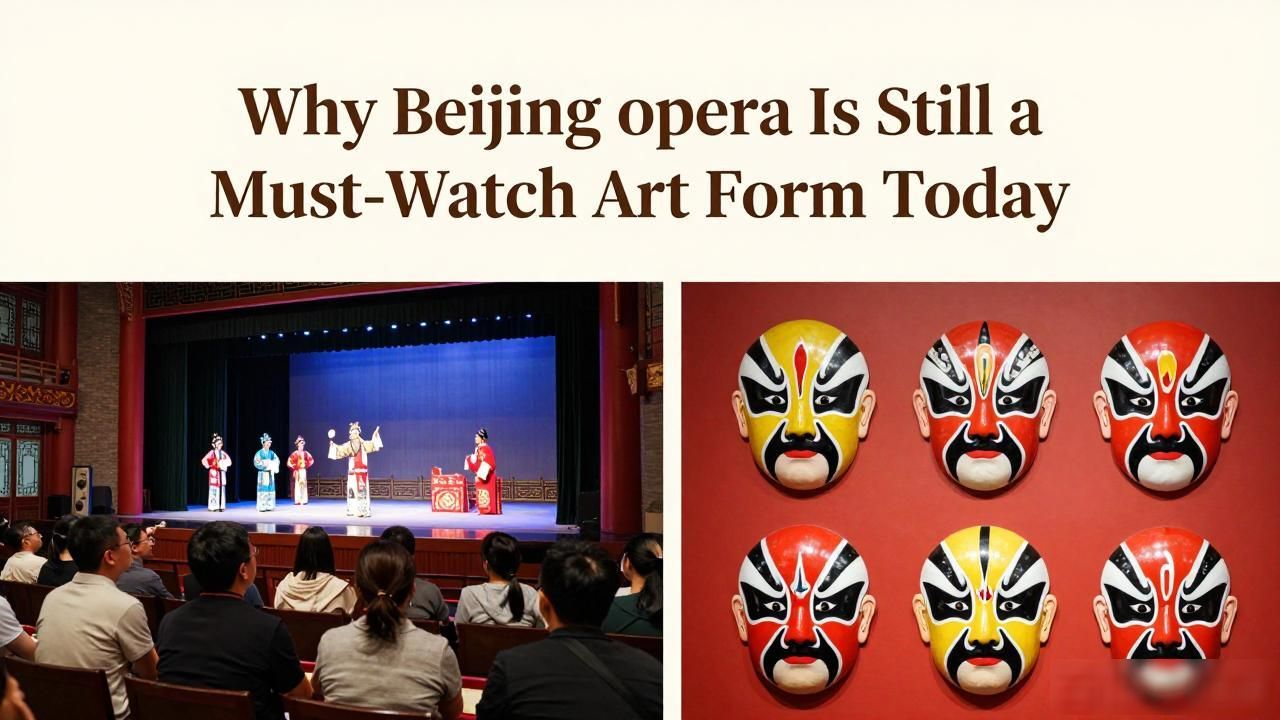
The first thing you notice is the sheer intensity of the performance. Unlike Western opera, where the focus is often on vocal technique and orchestral support, Beijing opera demands that the performer be a master of multiple disciplines at once. Singing, acting, martial arts, and even acrobatic flips happen on the same stage, often within the same scene. The actors wear elaborate costumes and painted faces, each color and pattern carrying a specific meaning. A red face means loyalty, a white face signals cunning, and a black face stands for bravery. This visual language is something you can learn quickly, and it makes watching much more engaging.
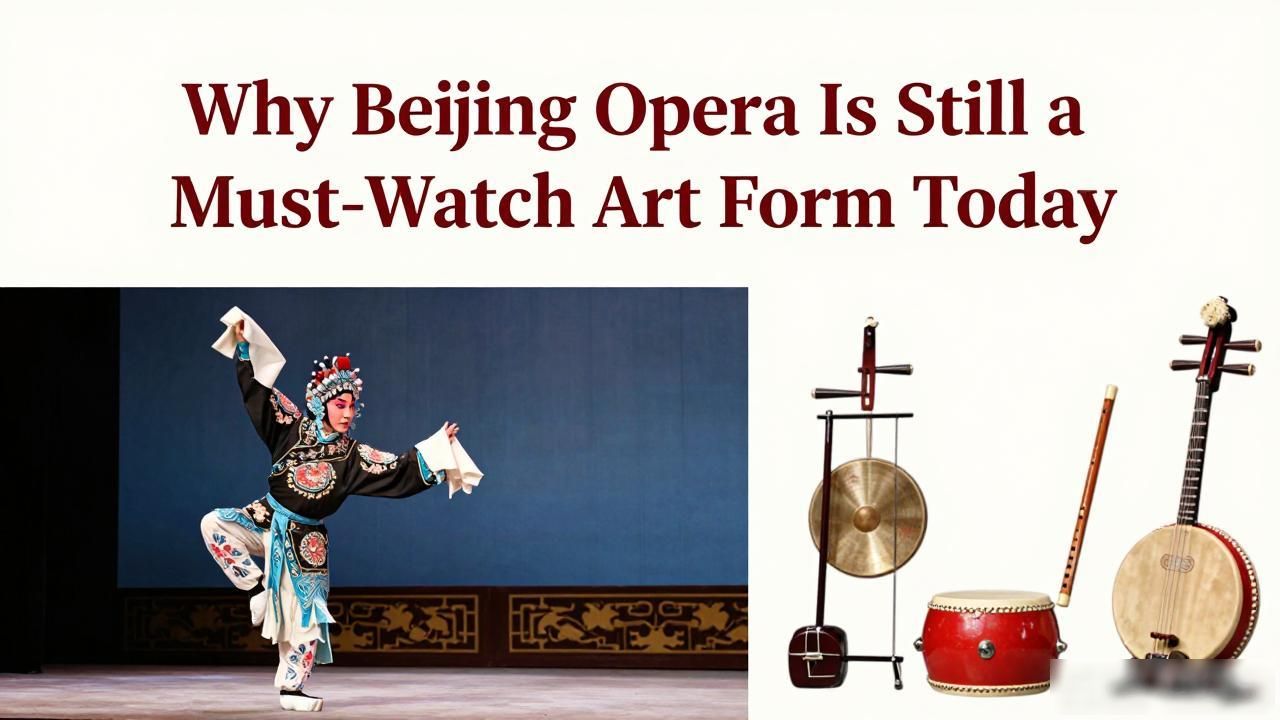
The music is another key difference. Instead of a full orchestra, you get a small ensemble of traditional instruments like the jinghu (a two-stringed fiddle), the yueqin (a plucked lute), and a set of drums and gongs. The rhythm is sharp and fast,matching the dramatic movements on stage. For a first-time viewer, the sound might feel jarring at first, but it actually helps tell the story without needing many words. The performers also use stylized gestures, like flicking a sleeve to show anger or walking in a circle to indicate a long journey. These conventions take some getting used to, but they are part of what makes Beijing opera so visually rich and emotionally direct.
How to enjoy a Beijing opera show as a foreigner
If you are planning to watch a live show, do a little homework beforehand. Most performances are based on well-known Chinese historical tales or classic novels like Romance of the Three Kingdoms or Journey to the West. Knowing the basic plot helps a lot. Many theaters in Beijing, such as the Huguang Guild Hall or the Liyuan Theater, offer English subtitles or program notes. Sit close to the stage if you can, because the facial expressions and costume details are best seen up close.
Do not worry if you cannot understand every word. The stories are often simple and universal: love, betrayal, heroism, and justice. The physical acting and music carry most of the emotional weight. Also, feel free to applaud during the show, especially after a difficult acrobatic move or a long high note. That is part of the local audience culture. If you go with an open mind, you will likely find that Beijing opera is not as foreign as it seems. It is loud, colorful, and full of life, exactly the kind of art that speaks across languages.