
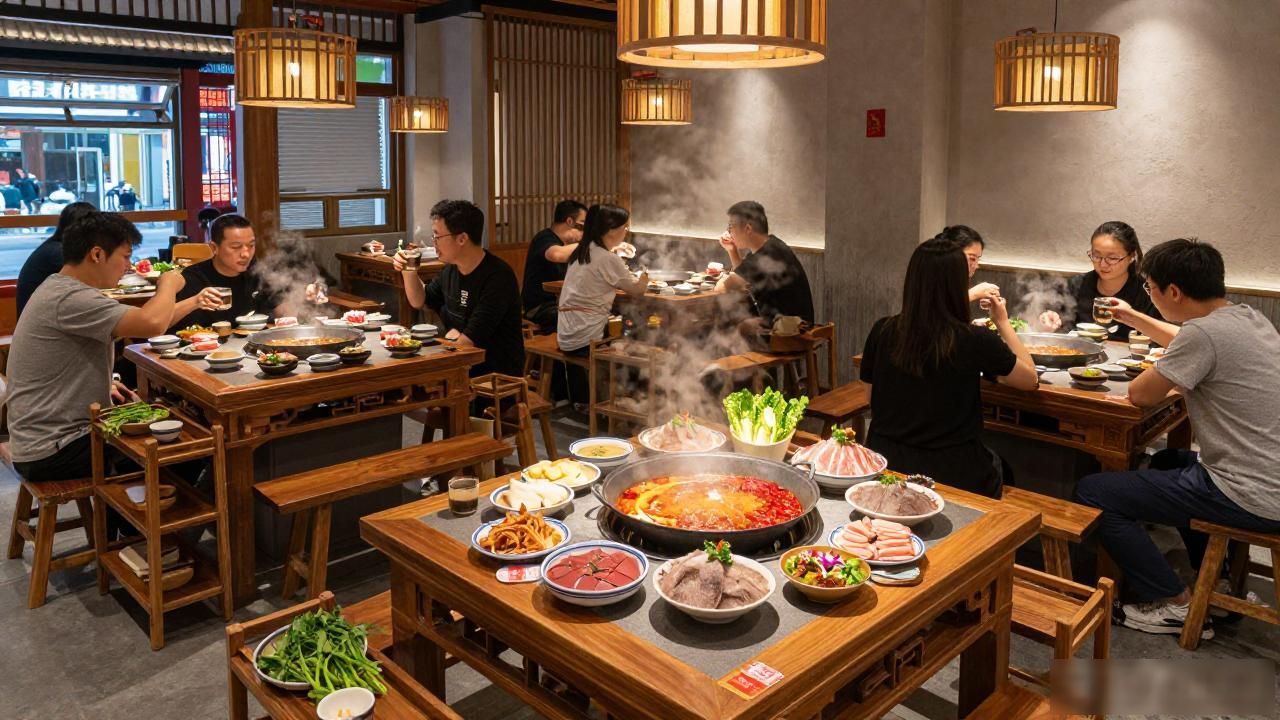
I’ve spent over a decade exploring the food scenes of southwestern China, and when it comes to hot pot, Chengdu and Chongqing are the two cities that truly define what this dish can be. They sit just a few hours apart by high-speed train, yet their approaches to hot pot reflect deeply different cultural identities. Chengdu hot pot leans toward a rich, layered spice that unfolds slowly on the palate, while Chongqing’s version hits harder and faster — bold, aggressive, and unapologetic. For any visitor serious about experiencing the best hot pot these cities have to offer, understanding this distinction is the first step toward an unforgettable meal.
Where Can You Find the Best Hot Pot in Chengdu
Chengdu’s hot pot scene has evolved significantly over the past ten years, moving beyond the crowded tourist traps near Chunxi Road into neighborhoods where locals actually eat. One of the most recommended areas for visitors is the Wuhou Temple district, where several time-honored brands have operated for decades. A place called Shude Old Hot Pot draws consistent crowds because their broth is made from a recipe passed down through three generations — you can taste the difference in the depth of flavor.

For something more contemporary, head to the Yulin neighborhood. This area has become a cultural hub for Chengdu’s younger food scene, and several innovative hot pot restaurants have opened there that experiment with regional ingredients while maintaining the traditional boiling pot format. The key to a great Chengdu experience is ordering a traditional seven-compartment pot so you can sample different flavors across the boil, ranging from numbing Mala to a clearer mushroom broth for those who need a break from the heat.
Another essential stop is Dongmen Hot Pot in the Qingyang district. It sits near the ancient city walls and offers an atmosphere that feels authentically Chengdu — loud,lively, and deeply social. Foreign visitors often comment that the service here is brisk and direct, which matches the fast-paced dining culture. Don’t expect table service in the Western sense; you serve yourself and pay at the register after eating.
Where to Eat the Best Hot pot in Chongqing
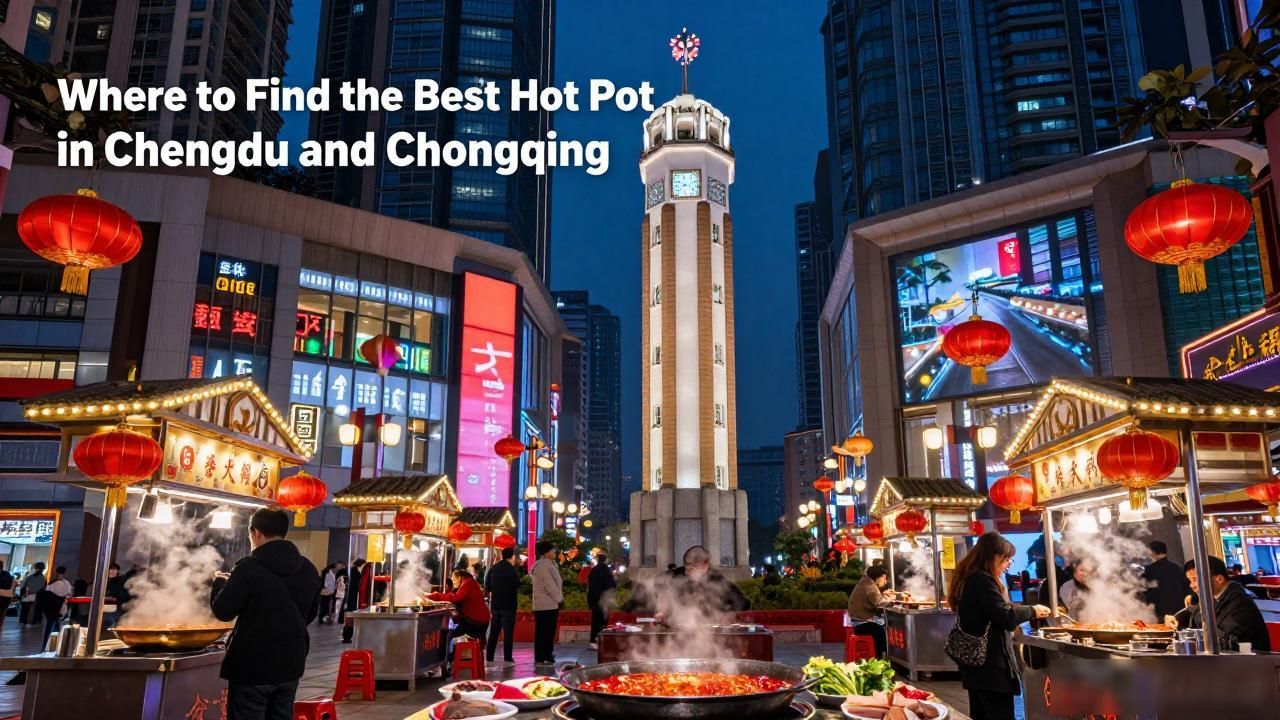
Chongqing calls itself the hot pot capital of China, and the competition backs up the claim. The city has over twenty thousand hot pot restaurants, making it one of the highest concentrations per capita anywhere in the world. Jiefangbei, the central business district, has dozens of options within walking distance of each other, but the real gems are found in the old town areas and along the Yangtze River waterfront.
Xiaobingtiao, located near Hongya Cave, is widely considered one of the best hot pot restaurants in the entire city. Their signature butterfly lobster pot is a must-try, and the peppercorn selection alone justifies the visit. The restaurant operates without air conditioning in many sections, which some might find uncomfortable, but the open-air atmosphere overlooking the river at night creates a dining experience you won’t forget. Chongqing hot pot is not for the faint-hearted — the spice level runs higher than anything you’ll find in Chengdu, and the numbing sensation from the Sichuan peppercorns is intense and immediate.
For a more local experience away from the tourist core, navigate to the Nan’an district across the Yangtze River. Restaurants here cater almost entirely to Chongqing residents, and the quality is consistently excellent. Longmenhao Old Hot Pot is a standout — it has operated since 1997 and serves a thick, dark broth that coats every ingredient in an earthy, complex layer of flavor. The restaurant is small and gets extremely crowded between six and eight in the evening, so arriving early is wise.
What Makes These Two Cities Different
The philosophical gap between Chengdu and Chongqing hot pot is worth understanding before you sit down to eat. Chengdu, as the capital of Sichuan province, has long been associated with refinement and culinary sophistication. Its hot pot reflects that sensibility — the spice is present but measured, the broth takes time to develop, and the overall experience feels curated. Chongqing, historically a bustling port city on the Yangtze, developed a food culture shaped by hardworking laborers who needed bold, fast-flavoring meals that would energize them through long shifts. The result is hot pot that is louder, hotter, and more intense in every way.
Visitors often ask which city offers the better hot pot, and the honest answer depends entirely on personal preference. If you enjoy a slow-building warmth with layers of complexity, Chengdu will satisfy you. If you want an experience that grabs you by the throat and doesn’t let go, Chongqing is your destination. Many travelers make the trip to eat in both cities during the same visit, and honestly, it’s the only way to fully appreciate what makes southwestern China’s hot pot culture so extraordinary.