
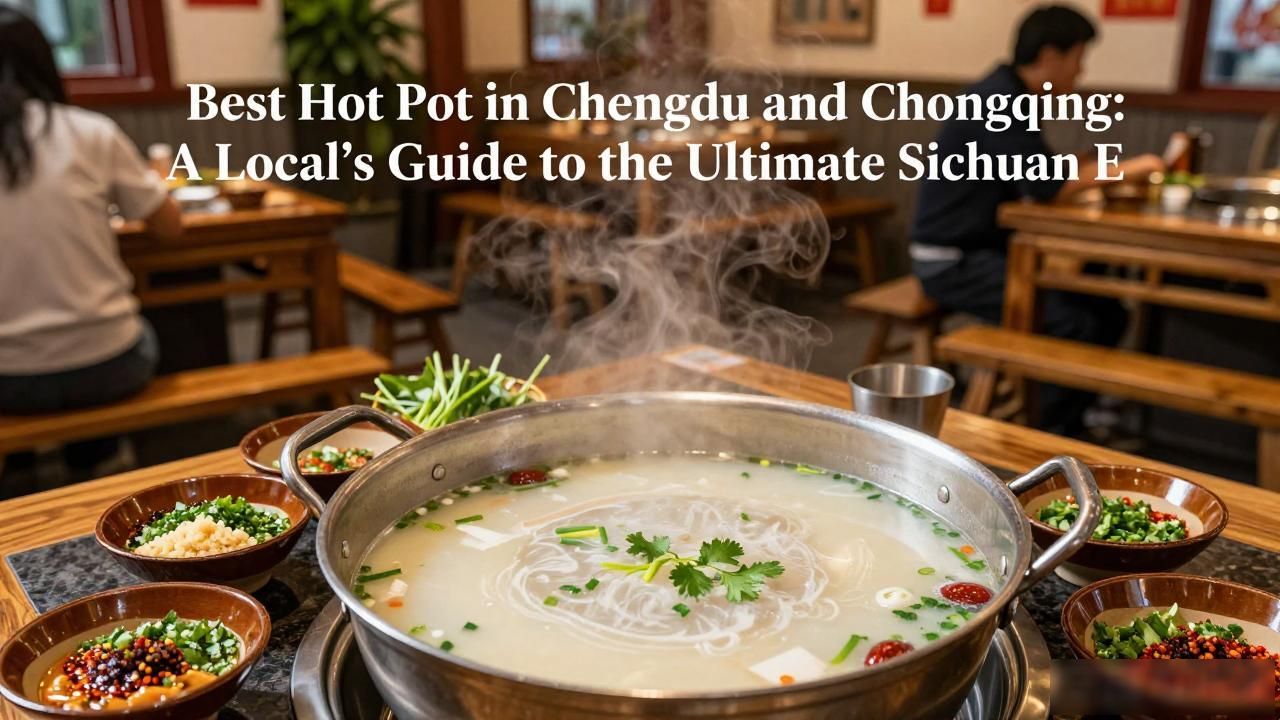
If you’re planning a trip to southwest China, chances are you’ve already typed “best hot pot in Chengdu/Chongqing” into your search bar. And honestly, you’re asking the right question. Hot pot isn’t just food here—it’s a ritual, a social glue, and a fiery love letter to Sichuan pepper and chili oil. Having eaten my way through both cities for years, I can tell you this: the best pot isn’t always the fanciest one. It’s the one where the broth bubbles with personality, the ingredients are drop-fresh, and the locals pack the tables like it’s the last supper.
What makes Chengdu and Chongqing hot pot different
Here’s the deal—people love to argue about which city does it better,but they’re really comparing two different beasts. Chongqing hot pot is the wild child: heavy on beef tallow, numbingly spicy, and served in a nine-grid iron pot that keeps everything chaotic and delicious. The broth is thick, almost oily, and it clings to every slice of meat like a warm blanket. You’ll sweat, you’ll tear up, and you’ll swear it’s the best thing you’ve ever tasted.

Chengdu hot pot, on the other hand, is a bit more refined. The broth is often lighter, sometimes with a clear herbal section for the faint of heart, and the seasoning leans more toward aromatic complexity than pure fire. You still get the numbing tingle from Sichuan peppercorns, but it’s balanced with more layers—think star anise, cardamom, and a hint of fermented bean paste. Both are incredible, but your choice depends on whether you want a punch in the face or a slow, seductive burn.
How to find the best hot pot spot without getting tourist-trapped
Now, the real question: how do you actually find the best hot pot in Chengdu/Chongqing without falling for a neon-lit trap? Rule number one: ignore the places with English menus and photos of smiling pandas on the door. You want the joint where the menu is a laminated sheet with faded characters, and the staff looks mildly annoyed that you’re there. That’s a good sign. Walk in, point at what the table next to you is eating, and you’re golden.
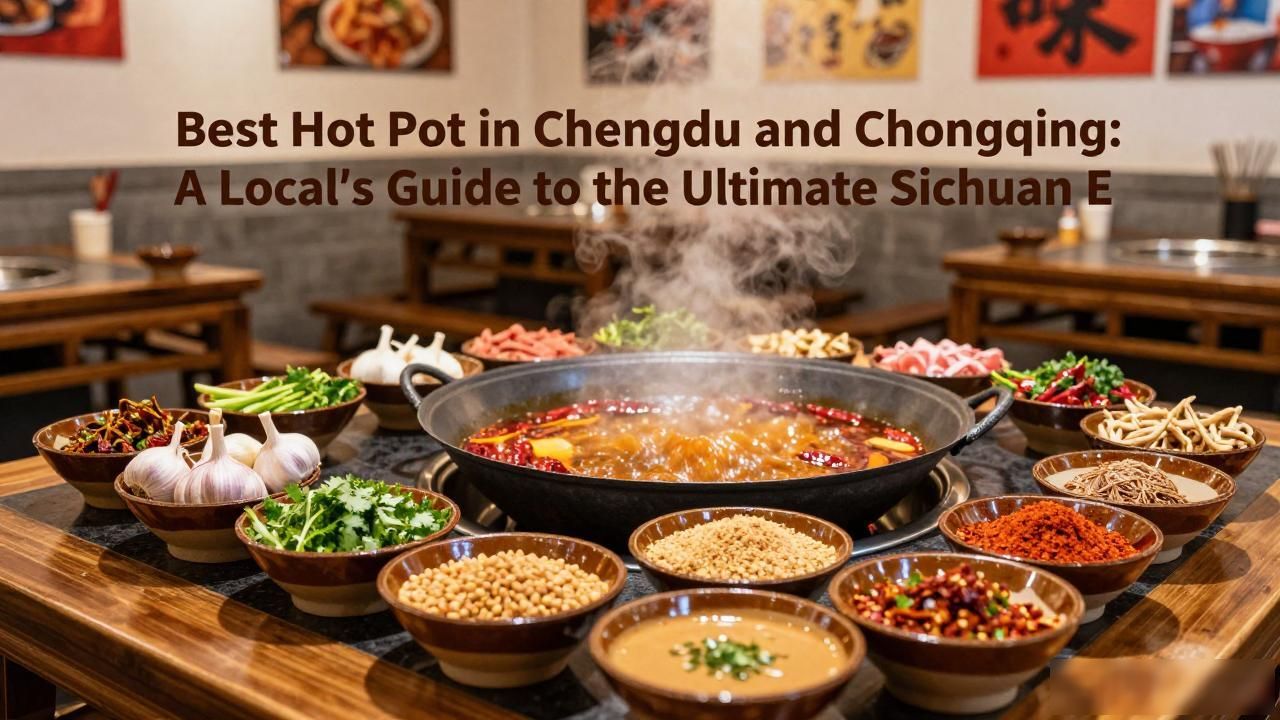
Rule number two: look at the dipping sauce bar. A serious hot pot restaurant will have a wall of condiments—raw garlic, chopped cilantro, crushed peanuts, sesame paste, and the all-important dry chili powder. If you see a sad little bowl of soy sauce and vinegar, run. The magic is in the mix: a spoonful of garlic, a splash of sesame oil, a pinch of salt, and enough chili flakes to make your eyes water. That’s your weapon.
Rule number three: check the crowd at 9 PM. If the place is still packed on a Tuesday night, you’ve found a winner. Locals don’t mess around with mediocre broth. I once walked into a tiny hole-in-the-wall in Chongqing’s Jiefangbei area, and the owner was frying his own chili paste in the back. That single pot of broth ruined every other hot pot for me for a week. It was thick, dark, and so fragrant that I could smell it from the street. That’s the kind of place you’re hunting for.
My top picks for first-timers and spice lovers alike
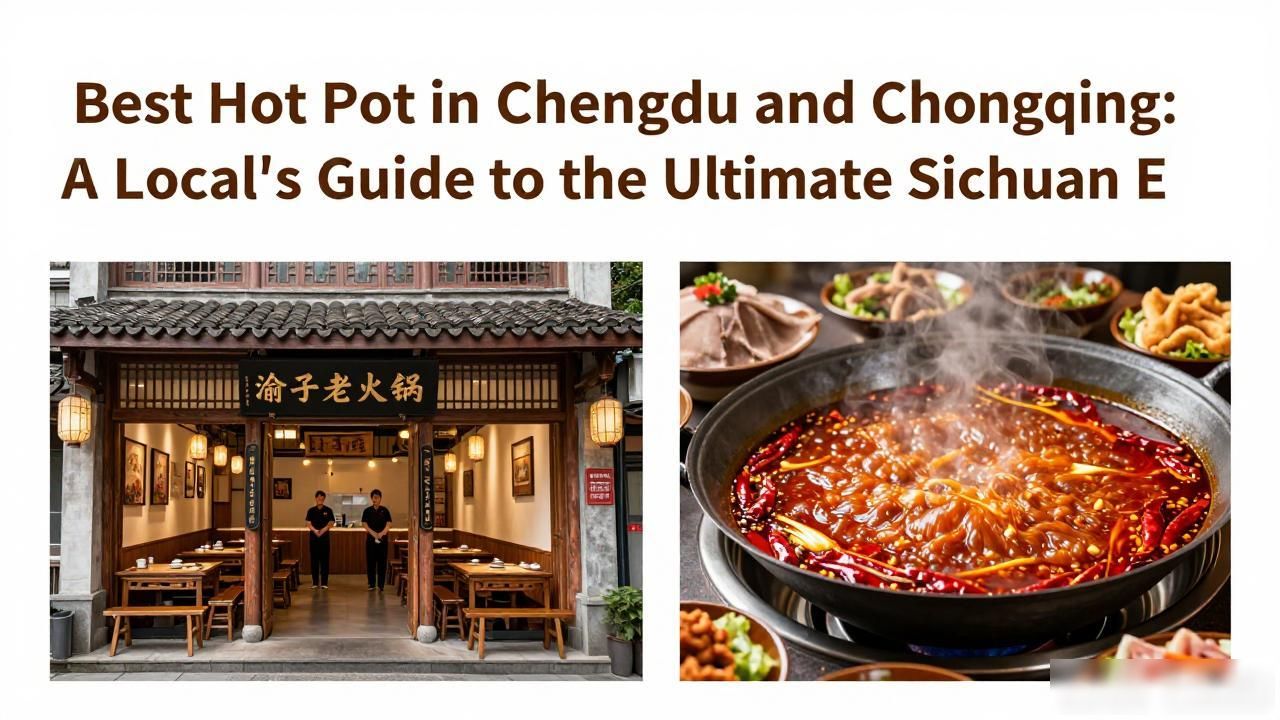
If you’re in Chongqing and want the full experience, head to Yuzi Hot Pot near Hongya Cave. It’s touristy, sure, but the broth is legit—heavy on beef tallow, with a numbing kick that builds slowly. Order the sliced beef tongue, pig brain (if you’re brave), and the crispy fried pork skin. Dip everything in a bowl of sesame oil, garlic, and vinegar, and thank me later. For a more local vibe, wander into the alleys behind Liziba station and follow your nose. Any place with a line of office workers at 1 PM is doing something right.
In Chengdu, Shu Daxia Hot Pot is a solid bet for newcomers. It’s a bit pricier, but the ingredients are top-tier—think fresh lotus root, tender beef slices, and handmade fish balls that bounce like rubber. The broth is balanced, so you can actually taste the ingredients instead of just the fire. If you want something spicier, ask for the “old school” broth and watch the waiter raise an eyebrow. You’ve been warned.
One last tip: never, ever order the “mild” broth. It’s a trap. The mild version is still hotter than anything you’ve had back home, and you’ll miss the whole point. Embrace the burn, sip some cold beer or soy milk between bites, and let the Sichuan pepper do its weird, tingly thing on your tongue. That’s the real Chengdu/Chongqing experience. You’ll leave with a red face, a happy stomach, and a new standard for what hot pot should be.