
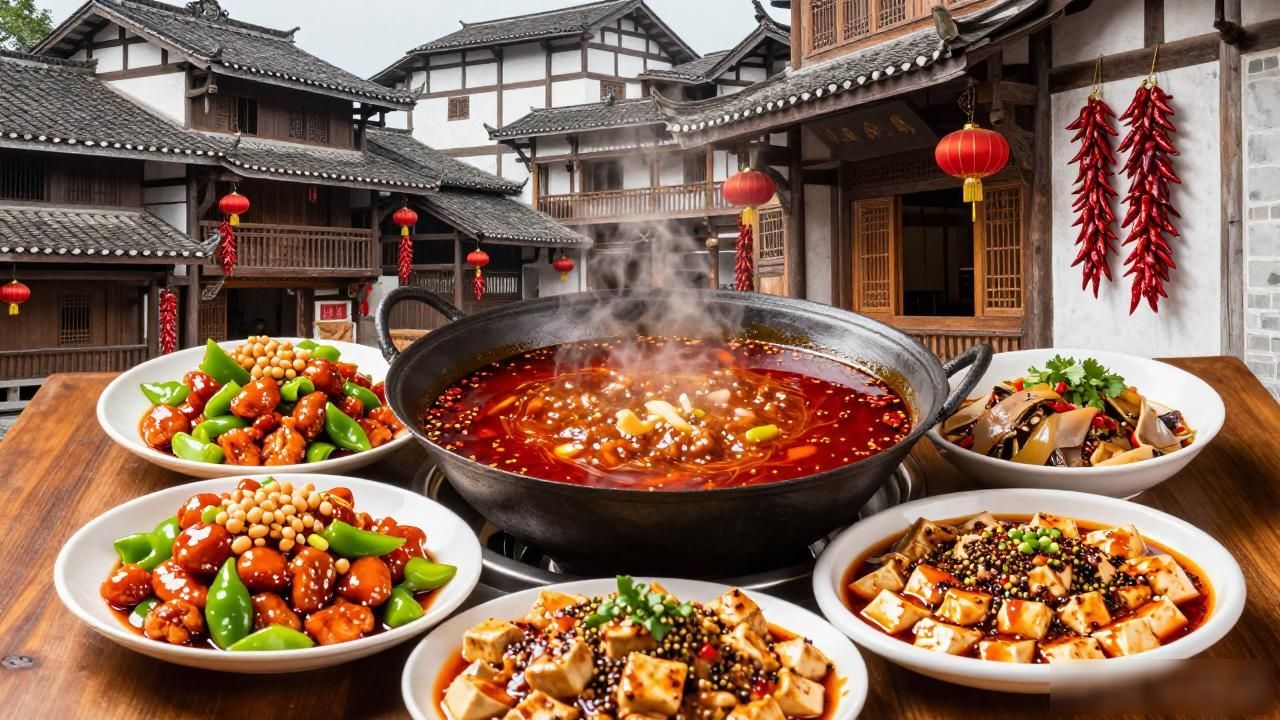
Chinese food is often misunderstood as a single cuisine, but the truth is far more exciting. Regional Chinese food is a world of its own, with flavors and techniques that vary dramatically from province to province. From the fiery heat of Sichuan to the delicate sweetness of Cantonese dishes, each region tells a story through its ingredients and cooking methods.

What makes Sichuan food so unique
Sichuan cuisine is famous for its bold, numbing spice, but there’s more to it than just heat. The magic comes from Sichuan peppercorns, which create a tingling sensation called “ma la.” This isn’t just about burning your tongue; it’s a complex layering of flavors that includes garlic, chili, and fermented bean paste. Dishes like mapo tofu and dan dan noodles are perfect examples of this balance. Locals often say the best Sichuan food is found in small street stalls, where the recipes have been passed down for generations.
How Cantonese food differs from the north
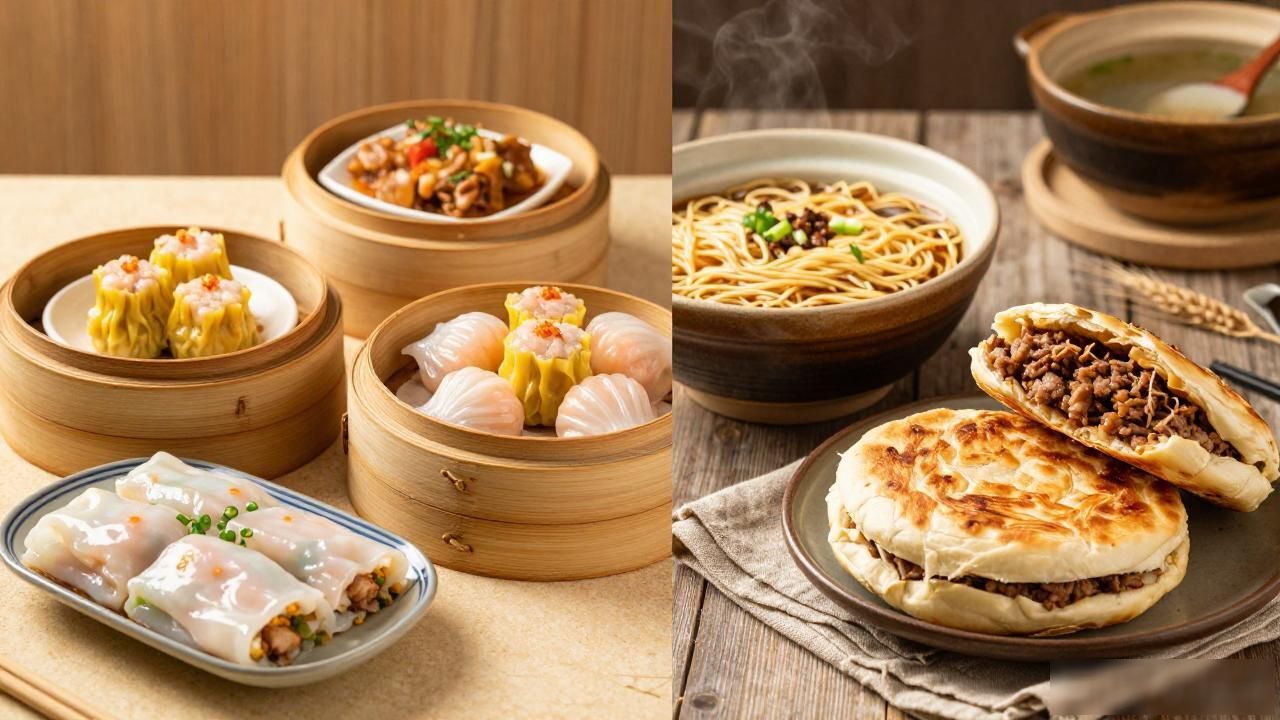
Cantonese cooking, from Guangdong province, focuses on freshness and subtlety. Steaming and stir-frying are common, letting the natural taste of ingredients shine. Dim sum, with its bite-sized dumplings and buns, is a beloved tradition that highlights this philosophy. In contrast, northern Chinese food, like from Beijing or Shandong, relies heavily on wheat. You’ll find steaming bowls of noodles, hearty dumplings,and savory pancakes that warm you up in cold winters. The key difference is in the core ingredients: rice dominates the south, while wheat rules the north.
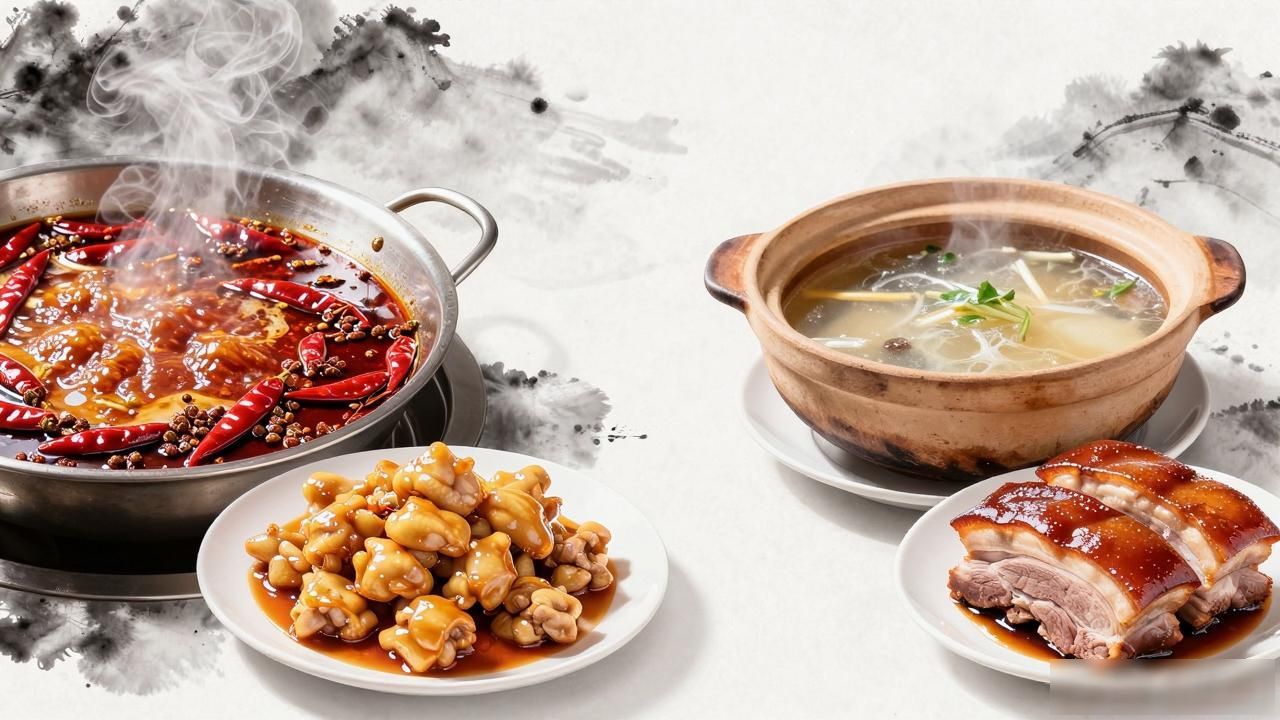
Regional Chinese food is a journey that goes far beyond any takeout menu. It’s about understanding how climate, history, and local traditions shape what people eat every day. Whether you crave the intense heat of Sichuan or the gentle comfort of Cantonese broth, there’s a whole world waiting to be explored.