
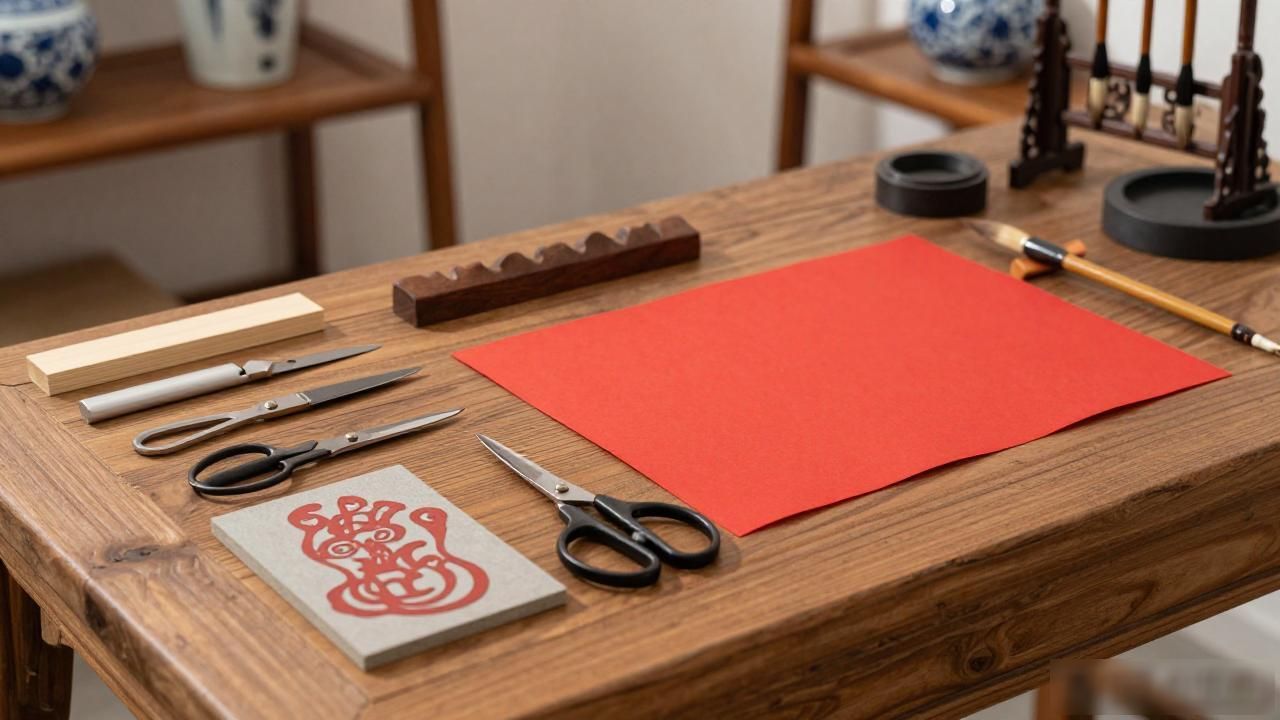
Chinese paper cutting, known as “Jianzhi,” is one of the oldest and most beloved folk arts in China, with a history spanning over 1,500 years. Unlike Western paper crafts that focus on simple cutting, Chinese paper cutting demands precision, patience, and the right tools to bring intricate designs to life. If you are new to this art form or simply curious about the instruments behind these delicate masterpieces, understanding the right tools is the first step toward creating beautiful artwork yourself.
Essential Chinese Paper Cutting Scissors
The most fundamental tool in any Chinese paper cutter’s arsenal is a pair of quality scissors. Traditional scissors used for Jianzhi differ significantly from everyday household scissors. They are typically smaller, lighter, and crafted from high-carbon steel that holds a razor-sharp edge. The blades tend to be narrower and more pointed, allowing the artist to navigate tight curves and fine details without tearing the paper. Many practitioners prefer scissors with one straight blade and one curved or wavy blade, as the curved blade helps guide the paper smoothly through cuts.

Finding the right pair can be a challenge outside of China. However, several online retailers and specialty art supply stores now carry dedicated paper cutting scissors imported from Chinese manufacturers. Look for scissors measuring approximately four to five inches in length, with a pivot point positioned closer to the blades rather than the middle of the handle. This design gives you better control and leverage when working on detailed work. Handle comfort also matters since long cutting sessions can strain your fingers and hands.
Beyond standard scissors, many artisans supplement their toolkit with small embroidery-style scissors or thread-cutting scissors for the tiniest details. These miniature scissors are incredibly precise and excel at removing tiny negative spaces inside a design without disturbing the surrounding areas. Investing in a few different sizes early on will serve you well as your skills grow and your projects become more ambitious.
Specialty Knives and Cutting Surfaces
While scissors handle the broader shapes and flowing lines, a sharp knife becomes indispensable for the finer, more intricate portions of a Chinese paper cutting project. The most commonly used knife is the X-Acto or craft knife with replaceable blades. Some traditional artists still use hand-forged steel knives passed down through generations, but modern craft knives offer comparable precision at a fraction of the cost and with the convenience of disposable replacements.
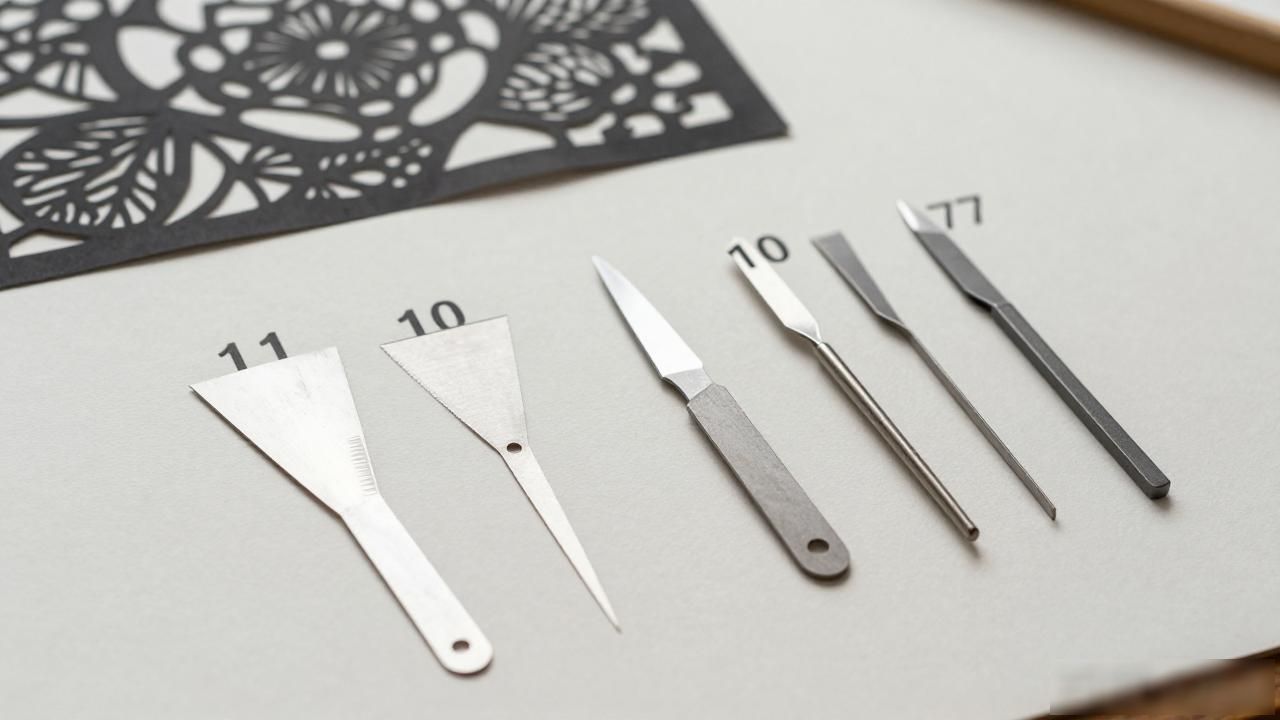
Blade selection matters just as much as the knife itself. A number 11 blade, shaped like a tiny triangle, works beautifully for most detailed interior cuts. For broader sweeping curves and larger negative spaces, a number 10 or #7 blade provides more control and durability. Keep several spare blades on hand because a dull blade will crush and tear the paper rather than slicing through it cleanly. Changing blades regularly is a small effort that dramatically improves the quality of your finished pieces.
The surface you cut on deserves equal attention. A proper cutting mat protects both your workspace and your blades while providing a self-healing surface that extends the life of your tools. Many Chinese paper cutters traditionally used smooth wooden boards or even thick stacks of wax paper to achieve clean cuts. If a cutting mat is not available, a thick rubber eraser or a block of foam works surprisingly well as an improvised surface. Just be aware that softer materials may cause the blade to snag occasionally.
Choosing the Right Paper for Your Tools
Having excellent tools means nothing if you pair them with the wrong paper. Chinese paper cutting traditionally uses a special thin red paper called “Xuan paper” or mulberry paper, which is strong yet delicate enough to hold incredibly fine cuts. The iconic red color carries deep cultural significance, symbolizing good fortune and joy in Chinese tradition. For practice purposes,standard origami paper or thin construction paper can serve adequately, but nothing replicates the authentic feel and behavior of proper Jianzhi paper.
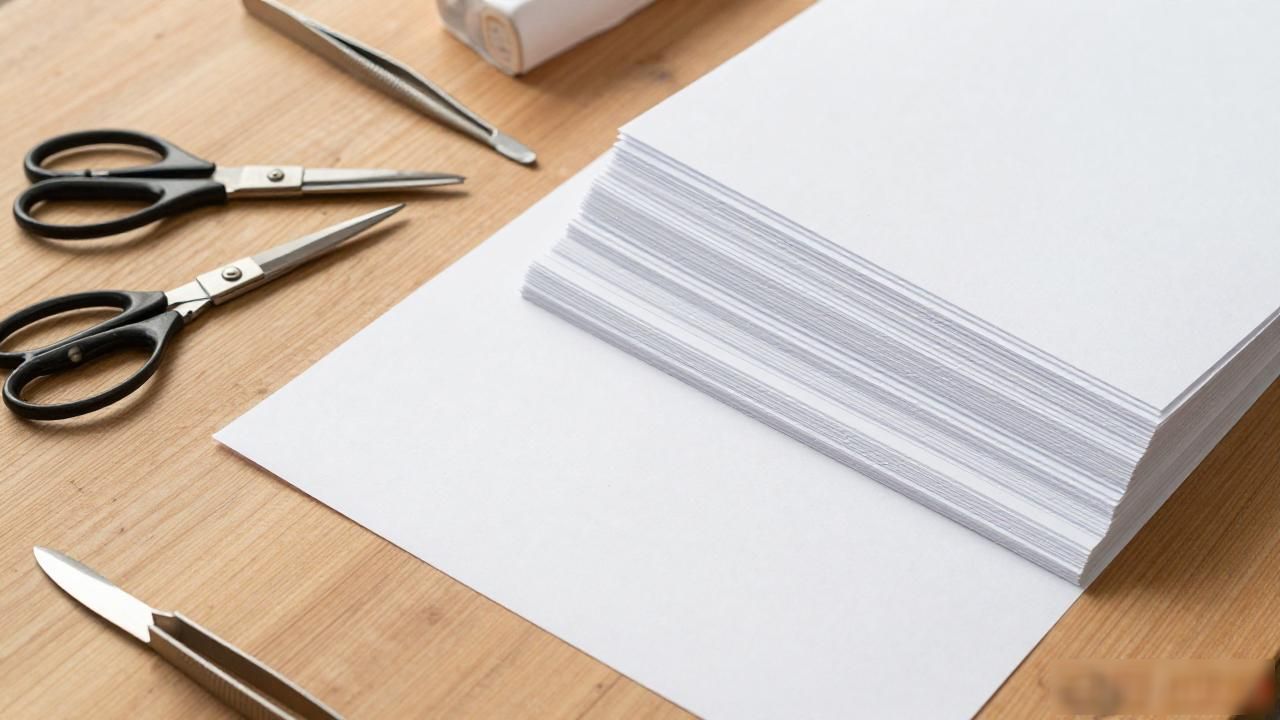
Paper thickness directly affects how your tools perform. Too thick and your scissors will struggle, your knife will drag, and your cuts will look ragged rather than crisp. Too thin and the paper may tear under its own weight during handling. A weight between sixty and one hundred grams per square meter strikes the ideal balance for most beginners. When purchasing paper online, look for products specifically labeled for paper cutting rather than general crafting paper, as the manufacturing process produces a stronger fiber structure suited to intricate work.
Final Thoughts
Mastering Chinese paper cutting begins with respecting the tools that make it possible. Starting with a reliable pair of scissors, a few quality knives, a proper cutting surface, and appropriate paper gives you everything needed to explore this beautiful tradition. As your confidence grows, you will naturally discover additional specialized tools that suit your personal style. The journey from a single sheet of red paper to a stunning decorative piece is one of the most rewarding creative experiences you can pursue.