
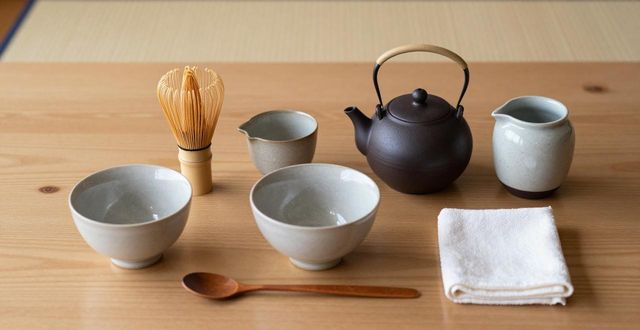
A traditional tea ceremony is far more than just brewing leaves in hot water—it is a spiritual and artistic practice that has been refined over centuries. At the heart of this ritual lies the tea ceremony set, a collection of tools that each serve a distinct purpose. Understanding what makes a genuine traditional set is the first step toward appreciating the depth of tea culture. Whether you are a collector, a mindfulness seeker, or simply curious, choosing the right set can transform your tea experience from ordinary to meditative.
What is included in a traditional tea ceremony set

Most complete sets include five essential pieces: a teapot (kyusu or tetsubin depending on the tradition), a tea bowl (chawan),a tea scoop (chashaku), a whisk (chasen), and a cloth for wiping. Japanese chanoyu sets add a caddy for powdered matcha, while Chinese gongfu cha features a fairness cup and strainer. Avoid cheap tourist sets that combine mismatched items—authentic pieces are designed to work together, with each tool’s size, weight, and material complementing the next. For example, the bamboo whisk must match the bowl’s inner curve for proper frothing.
How to choose authentic materials for tea ceremony sets
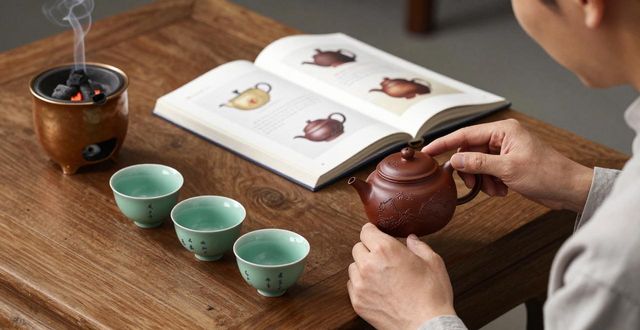
Material quality directly affects flavor and ceremony flow. Cast iron retains heat evenly and is ideal for winter sessions, but it requires seasoning to prevent rust. Unglazed clay (purion or zisha) absorbs tea oils over time, enhancing each brew—though you should dedicate one pot to one tea type. Ceramic bowls with visible wheel marks and slightly irregular glaze indicate handcrafting, which is preferred over mass-produced porcelain. Beware of painted finishes that may leach toxins; stick with natural, food-safe glazes or unadorned clay. Running your finger inside a bowl should feel smooth but not glassy.
Why craftsmanship matters more than price
A $50 handmade bamboo whisk (chasen) from Kyoto will outperform a $200 machine-made one because the tines are tapered and dried slowly to prevent splitting. Similarly, a hand‑hammered copper kettle may cost less than a cheap cast‑iron replica yet heat water faster and deposit no metallic taste. Look for joinery: on wooden scoops, the curve should follow the grain, not cut across it. On metal kettles, hammered indentations should feel organic, not stamped. The most expensive sets often feature gold lacquer or rare woods, but these are collectibles, not daily tools. For actual use, prioritize ergonomics—how the lid fits, how the handle balances when full.
Step-by-step guide to using your tea ceremony set
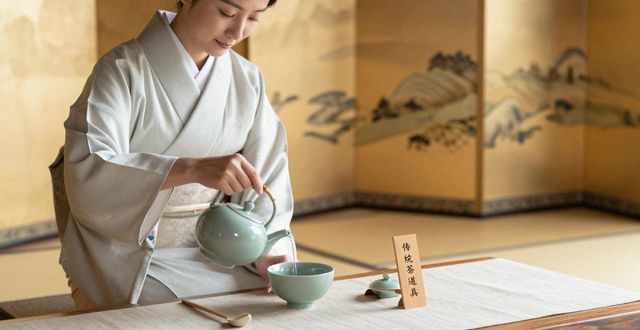
Start by warming the bowl and teapot with hot water, then discard that water. Place the tea leaves into the pot using the scoop—typically two scoops per 150ml of water. Pour water at the correct temperature (70°C for gyokuro, 80°C for sencha) and steep for 45 seconds. For matcha, sift the powder through a strainer into the bowl, add 70°C water, then whisk in a W or M motion until frothy. Always wipe the bowl with the cloth after serving, and let all pieces air-dry completely before storing—never stack wet items, as trapped moisture damages bamboo and clay. Practice the hand movements slowly; speed will come after fifty sessions.
Have you ever tried performing a full tea ceremony at home, and which piece of the set do you find most challenging to master? Share your experience in the comments below—and if this guide helped you, please like and share it with fellow tea lovers.