
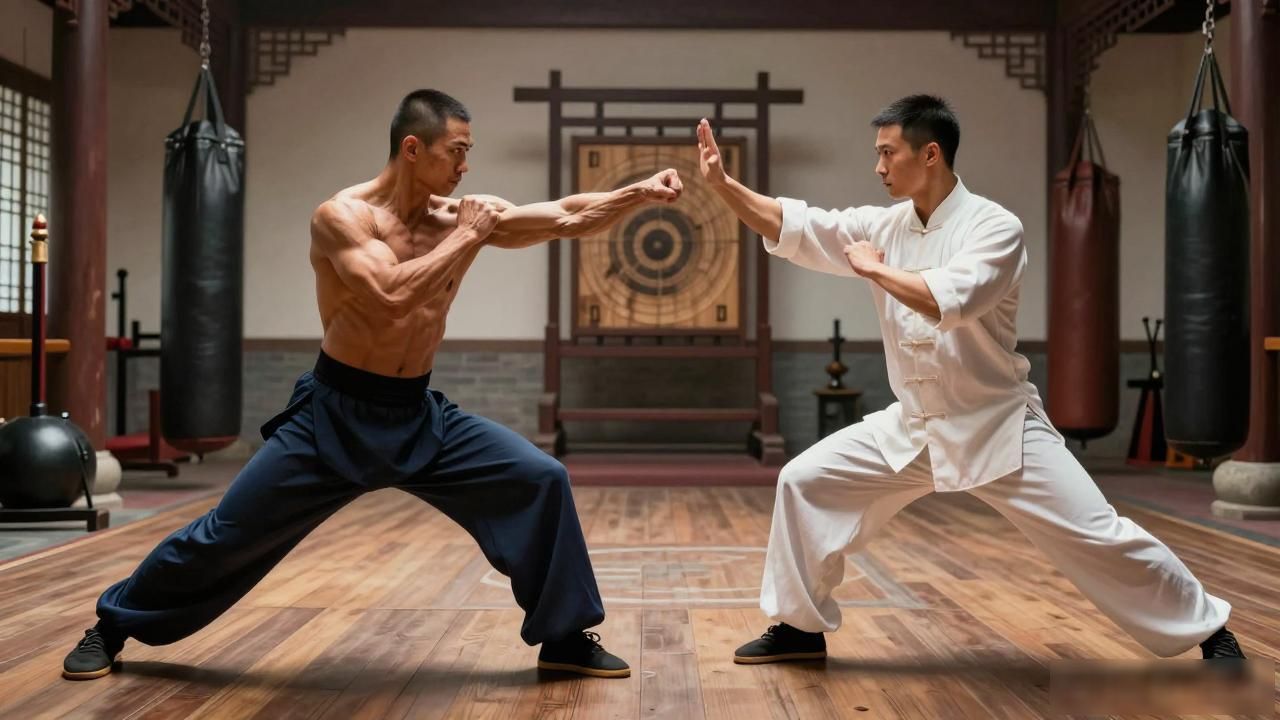
Many people new to traditional Chinese martial arts often mix up Chinese Kung Fu and Tai Chi, assuming they are exactly the same practice. In reality, Tai Chi is a specific branch of the broader Kung Fu system, with distinct traits that set it apart from more dynamic Kung Fu styles. Both carry hundreds of years of cultural heritage, and offer unique physical and mental benefits for practitioners of all ages.
What makes Chinese Kung Fu unique

Traditional Chinese Kung Fu covers dozens of distinct styles, from the fast, powerful movements of Shaolin to the sharp, precise strikes of Wing Chun. Most styles were originally developed for self-defense, with training routines that build strength, flexibility, and quick reflexes over years of consistent practice. Many Kung Fu schools also teach core values like respect, discipline, and patience alongside physical techniques.
Modern Kung Fu classes often include forms practice, partner drills, and basic self-defense scenarios to help students build practical skills. A lot of casual learners start with shorter, simpler forms to get familiar with the basic stances and movements before moving on to more advanced sequences.
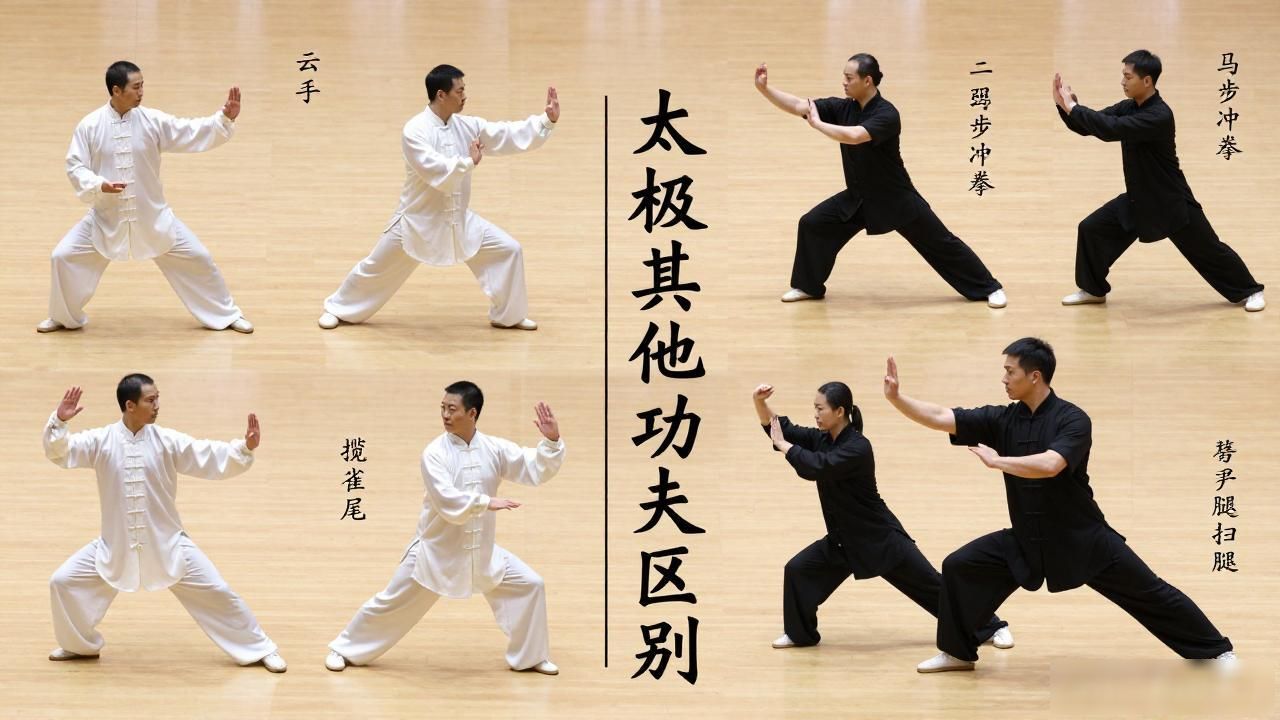
How Tai Chi differs from other Kung Fu styles
Tai Chi stands out for its slow, continuous, fluid movements that never require sudden bursts of force. It was designed based on ancient Chinese philosophy about balancing yin and yang, focusing on guiding internal energy rather than using brute physical power. Most Tai Chi routines move at a steady, gentle pace, making it accessible even for older adults or people with joint issues who cannot handle high-impact workouts.
Regular Tai Chi practice has been widely shown to improve balance, reduce stress, and ease chronic muscle tension for long-term practitioners. Many people who start Tai Chi for physical health find that the slow, focused movements also help them quiet busy minds after a long, stressful workday.
Can you learn both Kung Fu and Tai Chi
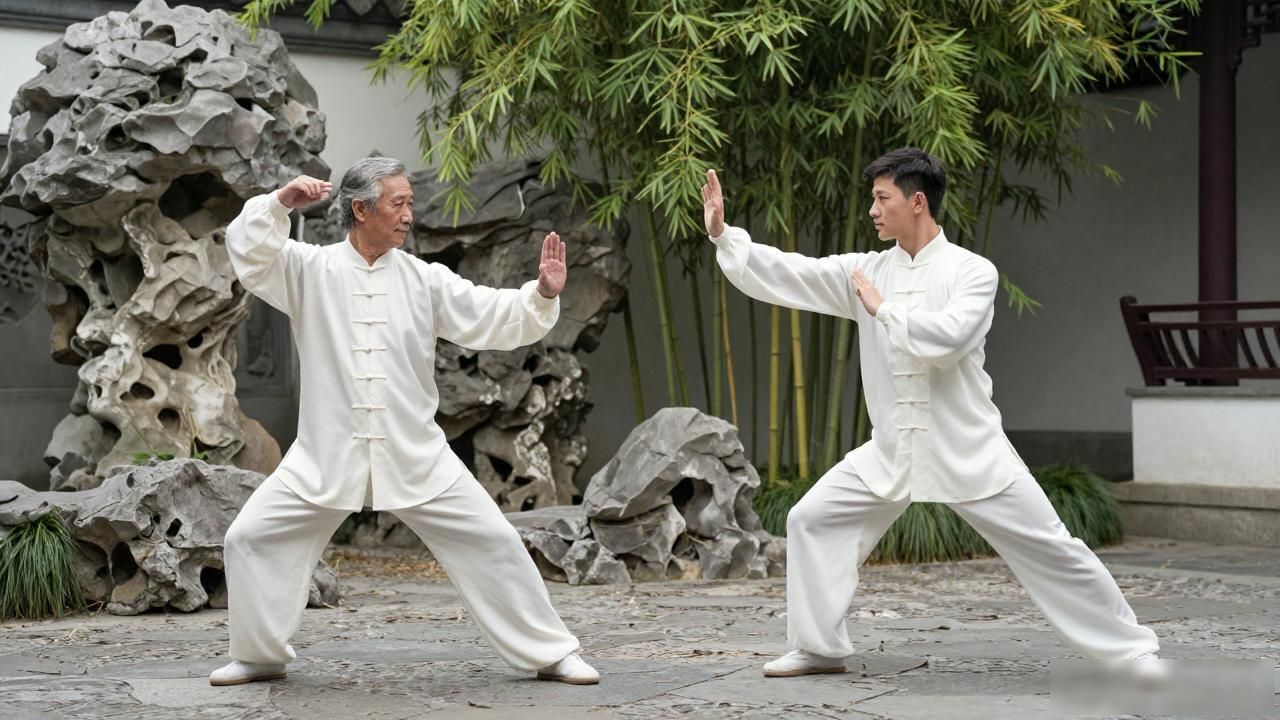
There is no rule that stops you from exploring both practices if you want to get the best of both worlds. A lot of experienced martial artists learn foundational Kung Fu stances first to build body control,then add Tai Chi practice to deepen their awareness of internal energy and relaxation. You can adjust the ratio of your training based on what you want to get out of your practice, whether that is better physical fitness, self-defense skills, or a calmer state of mind.