
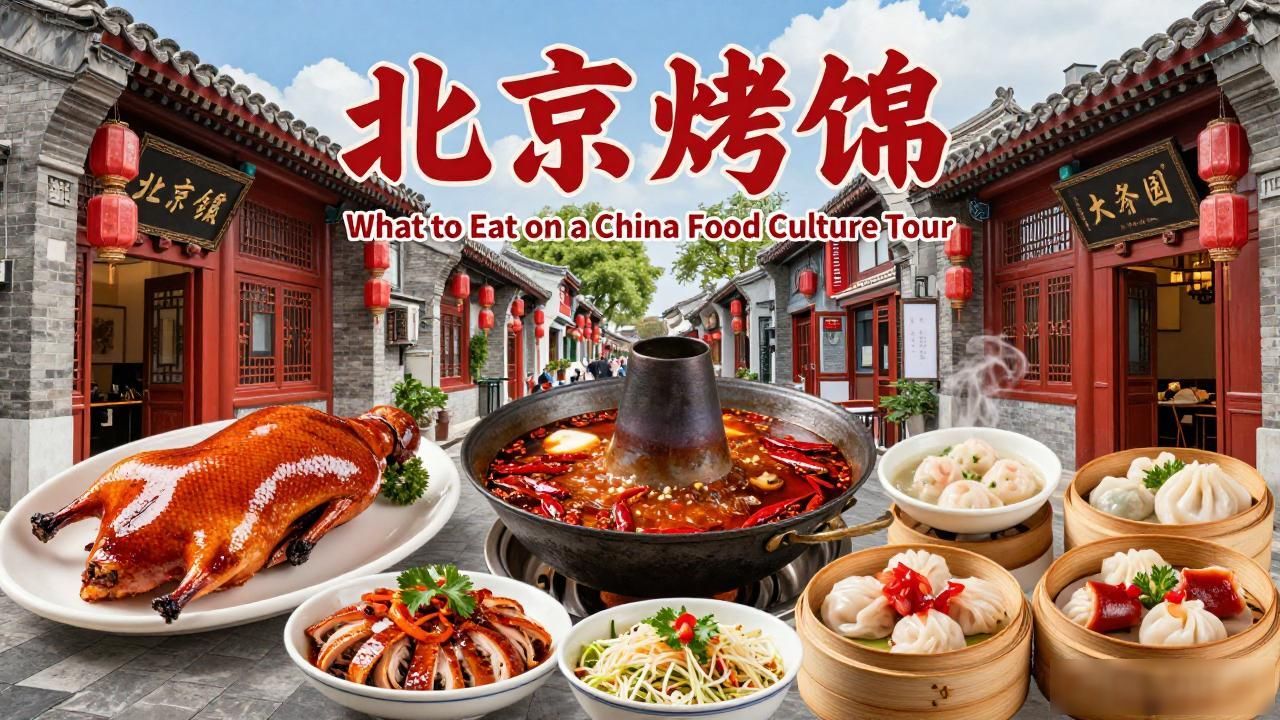
I’ve walked through the night markets of Chengdu and slurped noodles in Xi’an more times than I can count. A China food culture tour is not just about filling your stomach — it’s about understanding why a grandmother in Sichuan stirs her chili oil the way her mother taught her, and why that single motion carries three generations of hunger memory. Here’s what actually happens when you book one.
What does China food culture tour include
Most tours pair a hands-on cooking class with a morning market walk. In Chengdu, you’ll pick out Sichuan peppercorns and dried chilies at a wet market, then head to a community kitchen where you hand-pull dan dan noodles from scratch. The instructor speaks halting English and gestures a lot. You sweat, you scrape batter off the counter, you taste while it’s still too hot to be polite. It sticks in your memory in a way no YouTube video ever will.
Beyond the structured activities, the best tours slip you into family-run restaurants that no travel app will find. I once sat on a plastic stool in a Guangzhou alley eating congee with century egg while a shopkeeper argued about the weather in rapid-fire Cantonese. That unscripted, greasy, loud moment is the real texture of the food culture you actually paid to be inside.

Best cities for China food culture tour
Chengdu anchors the spicy end, Xi’an the street-food end, Guangzhou the delicate Cantonese end. Each city pulls from a different philosophical thread of Chinese cooking. Pick one if you have ten days, or string two together with a train ride if you have three weeks. The contrast between Xi’an’s pita-wrapped cunjin mian and Guangzhou’s steamed sea bass makes the journey feel like crossing into an entirely different culinary country.
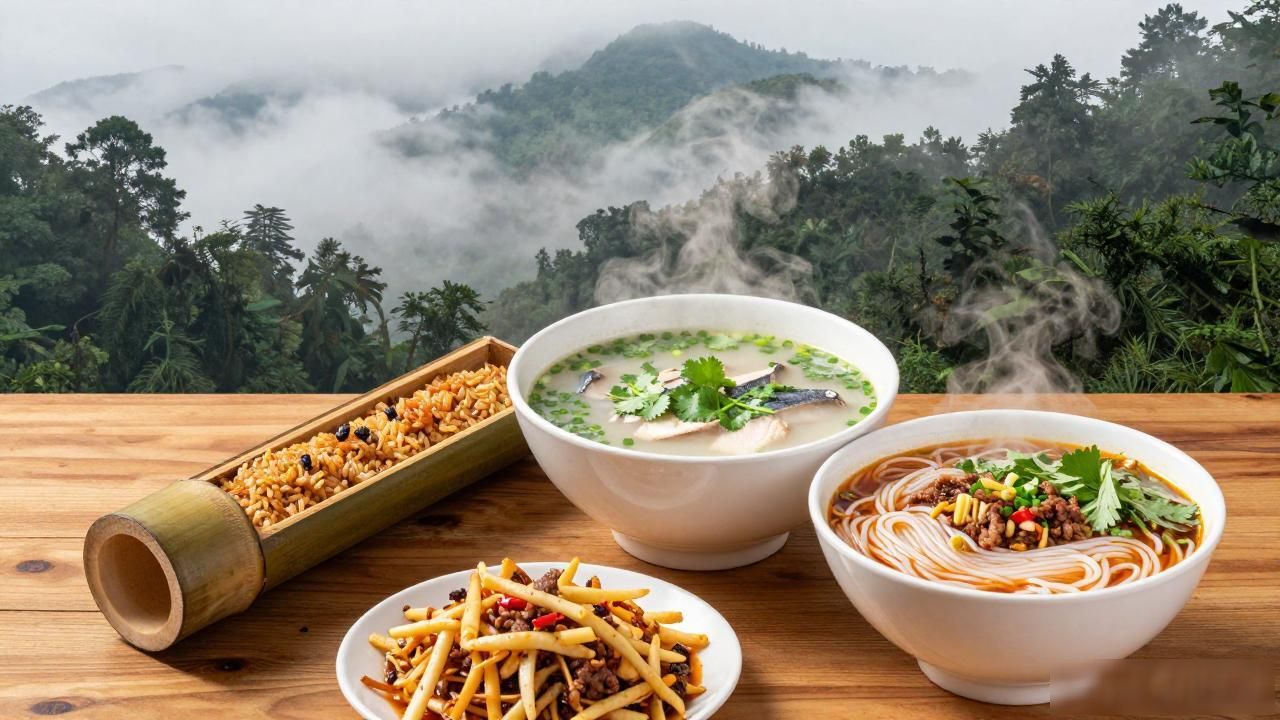
A lesser-known stop worth adding is Kunming. The food there is quieter, shaped by Yunnan’s cloud forests and a dozen ethnic minorities. You’ll eat raw fish soup, bamboo-tube rice,and sour bamboo-shoot dishes that never made a viral list but will rewire how you think about what a “noodle” even is. No single city captures all of China’s food the way a multi-stop route does.
I won’t pretend a five-day package makes you a food scholar. But it makes you hungry in ways you weren’t before. You start noticing how your own kitchen smells different, how your grandmother’s recipe is part of a lineage you never questioned until some woman in Sichuan slid a bowl across the table and said, “this is your auntie’s, too.”