
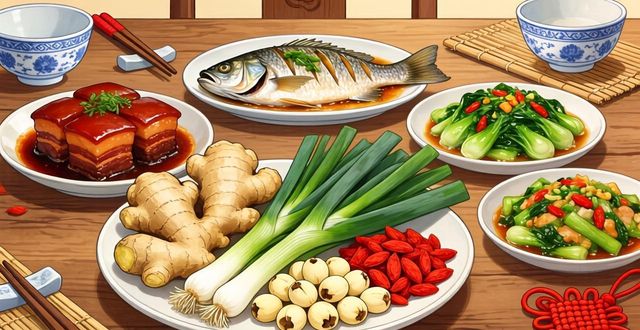
Traditional Chinese food is much more than the sweet and sour dishes found in many Western restaurants. It represents thousands of years of culinary evolution, regional diversity, and a deep philosophical connection between food and health. From steaming dumplings to fiery Sichuan hotpot, every dish tells a story of geography, culture, and tradition. Understanding this cuisine means moving beyond familiar takeout menus and exploring authentic flavors, cooking techniques, and eating customs that have been passed down for generations.
Why is balance the heart of Chinese cuisine?
In traditional Chinese cooking, balance is everything. The concept of yin (cooling) and yang (warming) foods guides meal preparation. For example, a spicy Sichuan dish full of hot peppers (yang) is often paired with cooling ingredients like cucumber or tofu. Similarly, deep-fried foods are balanced with light soups or steamed vegetables. This philosophy extends to the five flavors—sweet, sour, bitter, salty, and umami—each believed to nourish different organs. Eating a balanced meal is seen as essential for maintaining health and preventing disease, not just satisfying hunger.

Home cooks and chefs carefully consider ingredient properties. Ginger and scallions counteract the “cold” nature of crab, while lotus seeds and goji berries add warming energy to soups. Even the number of dishes in a meal matters: odd numbers are considered yang and used for celebrations, while even numbers are yin and common for everyday meals. This holistic approach makes Chinese dining a thoughtful practice, where every bite contributes to bodily harmony.
What are the eight great regional cuisines?
China’s vast land gives rise to eight distinctive culinary traditions, known as the Eight Great Cuisines. These include Sichuan (bold, spicy, numbing), Cantonese (fresh, mild, often steamed), Hunan (hot and sour), Jiangsu (sweet and elegant), Zhejiang (fresh and delicate), Fujian (umami from seafood), Anhui (earthy with wild herbs), and Shandong (salty and crispy). Each reflects local ingredients, climate, and history. For instance, Sichuan’s humid climate led to heavy use of chilies and Sichuan peppercorns to dispel dampness, while coastal Guangdong favors light seasoning to highlight natural seafood flavors.
Cantonese cuisine,popular in the West, emphasizes original flavors with minimal seasoning. Dim sum, roast goose, and stir-fried greens exemplify this style. Meanwhile, Hunan cuisine uses more chilies than Sichuan but without the numbing sensation, creating a sharp, direct heat. Understanding these differences helps you appreciate why a “Chinese dish” can taste completely different depending on its origin. When exploring traditional Chinese food, try dishes from multiple regions rather than sticking to one style.
How do Chinese people eat a typical meal?
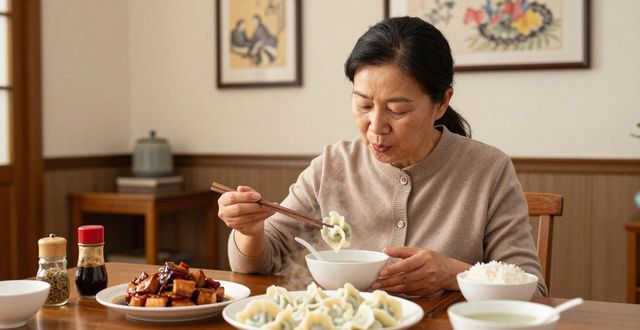
A traditional Chinese meal is not served in courses like Western dinners. Instead, all dishes—usually one soup, two to three vegetable or meat dishes, and a starch (rice or noodles)—arrive together and are shared communally. Each person has a bowl of rice or noodles and a small plate, using chopsticks to pick food from communal platters. It is polite to take from the side of the dish closest to you and never stab chopsticks upright into a bowl of rice, as this resembles incense sticks used at funerals. These small rules show deep respect for food and fellow diners.
Family style eating fosters a sense of togetherness. Elders are served first, and it is common to offer the best pieces to guests. Unlike Western habits, finishing all the rice in your bowl shows you are still hungry; leaving a small amount indicates you are full. Soup is often consumed throughout the meal, not just at the beginning or end. These customs may seem subtle, but they reveal deep values of respect, sharing, and gratitude. Trying to eat like a local can enhance your appreciation for traditional Chinese food.
What makes a dish truly traditional?
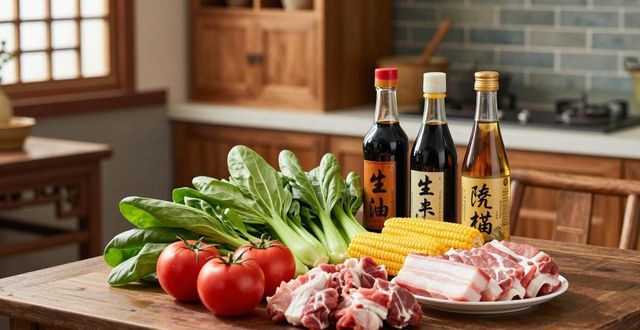
Authenticity depends on ingredients, techniques, and seasonality. Traditional Chinese dishes rely on fresh, locally sourced produce and specific condiments like light soy sauce, dark soy sauce, fermented black beans, rice wine, and aged vinegar. Techniques such as “velveting” (marinating and briefly oil-blanching meat) and wok hei (the “breath of the wok”) are essential for texture and flavor. Mass-produced bottled sauces or shortcuts often fail to replicate the depth achieved through careful preparation. For example, mapo tofu requires doubanjiang (fermented broad bean paste) and ground Sichuan pepper; without them, it is a different dish entirely.
Seasonality also plays a key role. Certain dishes are traditionally eaten only at specific times of year, like zongzi (sticky rice dumplings) during Dragon Boat Festival or mooncakes during Mid-Autumn Festival. Using ingredients when they are at their peak—bamboo shoots in spring, hairy crab in autumn—is considered essential. Additionally, many traditional dishes have medicinal purposes, such as slow-cooked soups with Chinese herbs to boost immunity. Knowing these layers allows you to distinguish genuine traditional food from modern fusion or Westernized versions. Embrace the complexity, and you will discover a world of flavor.
So now that you have learned the basics, here is a question for you: Which regional Chinese cuisine or specific dish are you most curious to try, and why? Share your thoughts in the comments – and if you enjoyed this deep dive, give it a like and share with fellow food lovers!