
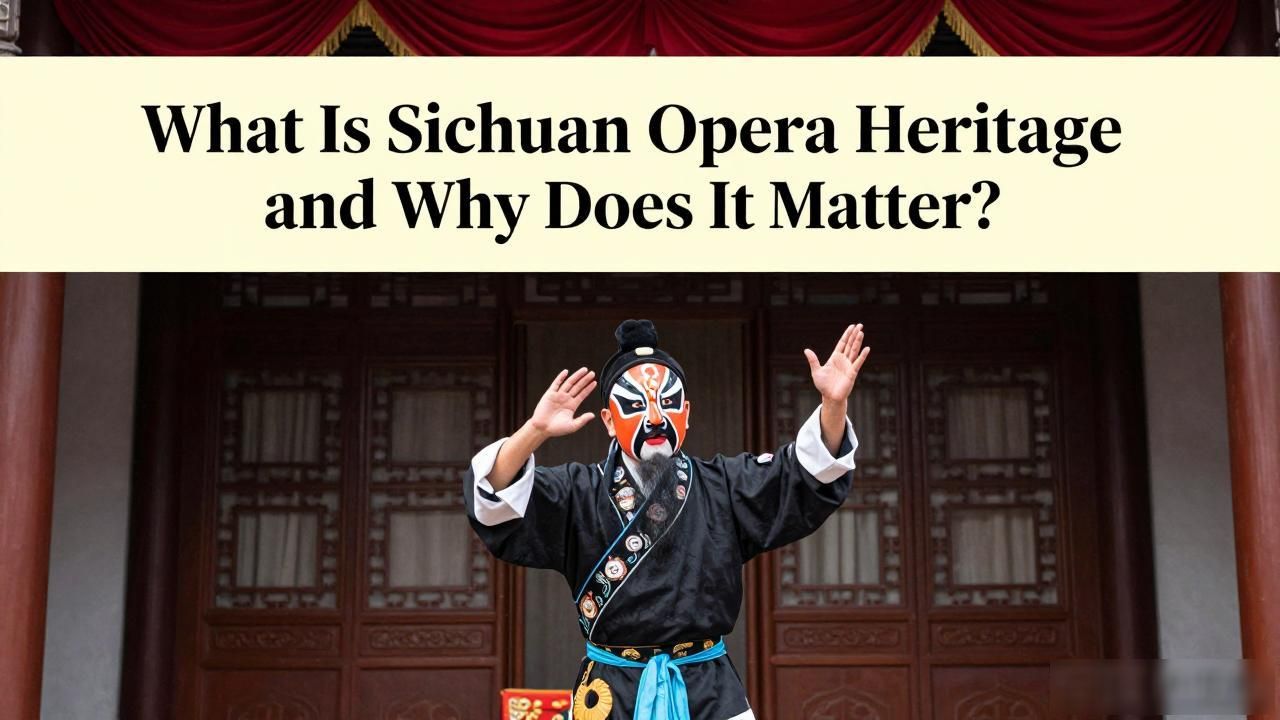
Sichuan Opera is far more than just singing and acting; it is a vibrant, living entity rooted in the humid hills of southwest China. For those unfamiliar, it represents a unique fusion of music, acrobatics, and intense emotional expression that has survived centuries of political and social change. The core of this heritage lies in its ability to reflect local dialects, folk customs, and spiritual beliefs, creating an artistic experience that is both deeply regional and universally compelling.
How Face-Changing Defines Sichuan Opera Identity

The most iconic element of this art form is the rapid face-changing technique, known locally as “Bian Lian.” This magical illusion involves performers altering their masks in a split second, symbolizing sudden shifts in emotion or identity. This technique is not merely a trick but a sophisticated narrative device that allows audiences to visualize internal psychological states without words. Historically guarded by troupes, these secrets were passed down through strict master-apprentice relationships, ensuring the preservation of intricate movements and costume mechanics.
Beyond the spectacle, the tradition relies on a complex system of roles, from the bold warriors to the comedic clowns. Each character type demands specific vocal styles and physical movements, requiring years of rigorous discipline to master. The physical endurance required for these performances is staggering,often involving heavy costumes and high-energy acrobatics under sweltering summer heat in Sichuan. Yet, the performers maintain a serene focus, turning exhaustion into grace. This dedication ensures that every gesture carries weight, connecting modern viewers to ancestors who used similar methods to tell stories of loyalty, love, and betrayal.
Can Traditional Arts Survive Modern Globalization?
As globalization accelerates, many fear that traditional arts like Sichuan Opera might fade into obscurity. However, recent years have seen a surprising resurgence driven by digital media and cross-cultural collaborations. Young artists are experimenting with contemporary themes while maintaining classical techniques, attracting a new generation of fans who value authenticity mixed with innovation. Social media platforms have become vital tools for exposure, allowing short clips of face-changing or high-pitched singing to reach millions worldwide instantly.
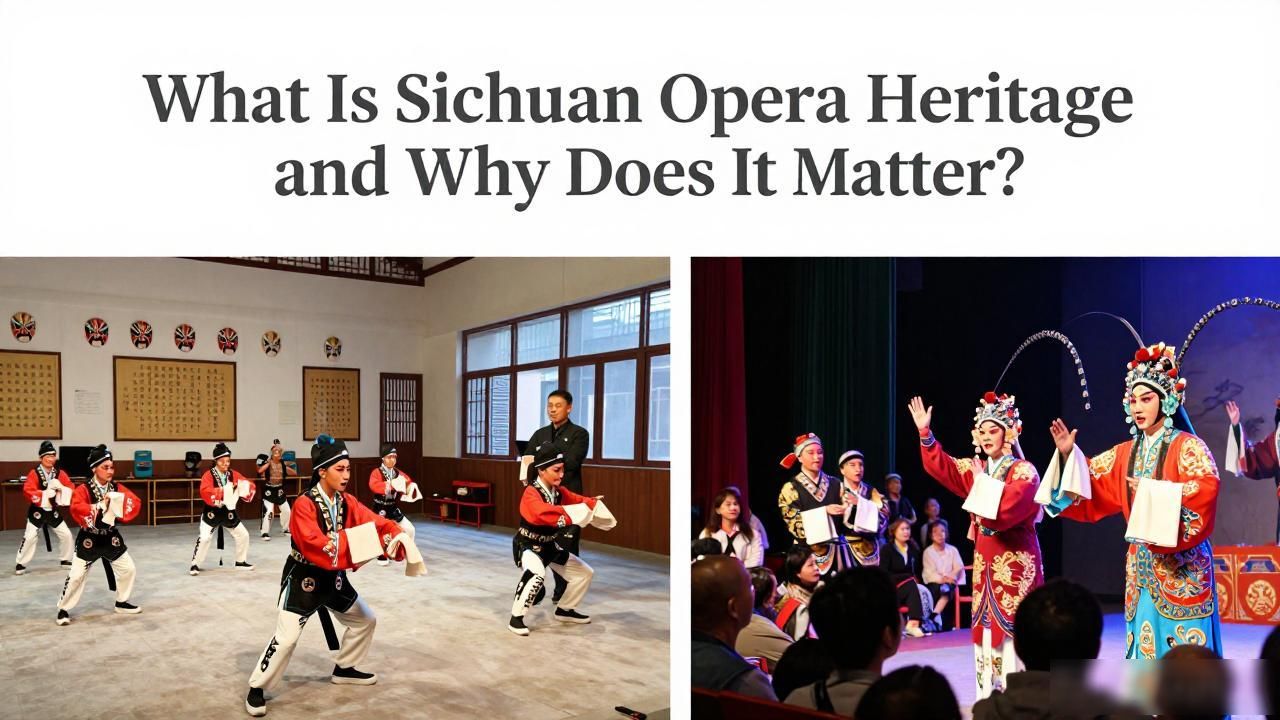
Despite this digital boom, the challenge remains in sustaining full-length productions and training institutions. Government support plays a crucial role, funding festivals and educational programs to keep the flame alive. International tours also help, introducing foreign audiences to the nuances of Chinese opera beyond stereotypes. The goal is not to freeze the art in time but to let it evolve naturally. By embracing change while honoring roots, Sichuan Opera heritage continues to thrive as a dynamic cultural treasure.