
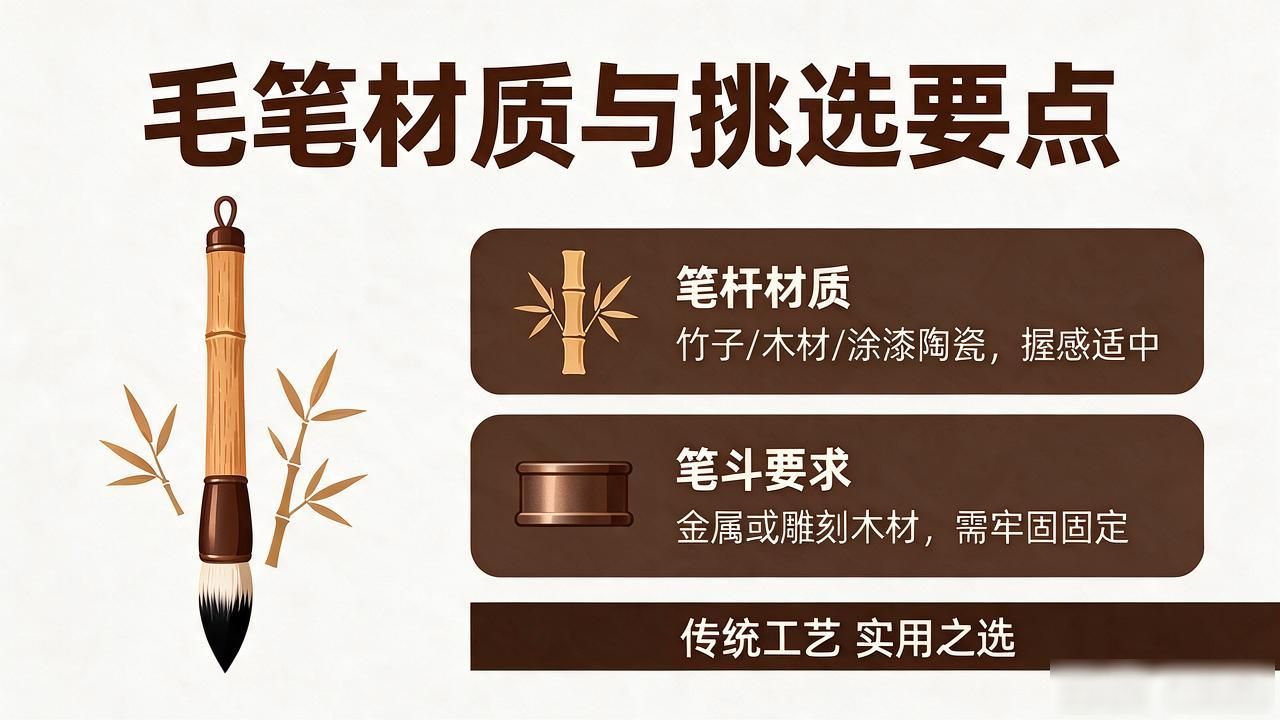
Chinese calligraphy brushes are far more than simple painting tools. They are the heartbeat of an art form that has flowed across millennia, connecting ink to paper with grace and intention. For anyone drawn to the world of Chinese brushwork, understanding these tools opens a door to deeper practice and greater appreciation.
What Materials Are Chinese Calligraphy Brushes Made From
The traditional Chinese brush is built around four essential components: the handle, the ferrule, the tip, and the body. The bristles themselves come from animal hair — mostly wolf, goat,rabbit, or a blend of these. Each material brings something different to the table.
Wolf hair bristles are stiff and resilient, making them ideal for bold, expressive strokes that demand control. Goat hair, on the other hand, is remarkably soft and absorbent, holding ink beautifully and producing fluid, flowing lines. Rabbit hair sits somewhere in between, offering a balanced feel that many beginners find forgiving.

The handle is usually crafted from bamboo, wood, or sometimes lacquered ceramic. A well-turned handle should feel natural in your grip, neither too heavy nor too light. The ferrule, which binds the bristles to the handle, is traditionally made of metal or carved wood. It must hold firmly without damaging the delicate hairs inside.
A quality brush does not leak, shed, or lose its shape after careful washing. These traits separate a tool worth keeping from one destined for the trash.
How Do You Choose the Right Brush for Your Style
Selecting the proper brush depends largely on the calligraphy style you intend to practice. Regular script, or kaishu, rewards precision and clean edges, so a medium-hard brush with a shorter tip tends to work best. Running script, or xingshu, demands more freedom and speed — a larger brush with a softer blend of goat and wolf hair will serve you well here.
For bold cursive scripts, larger brushes with longer, softer tips become essential. These allow sweeping, continuous movements that carry emotion through every stroke. Smaller brushes suit fine details, seal script work, or intricate character compositions where precision matters above all.
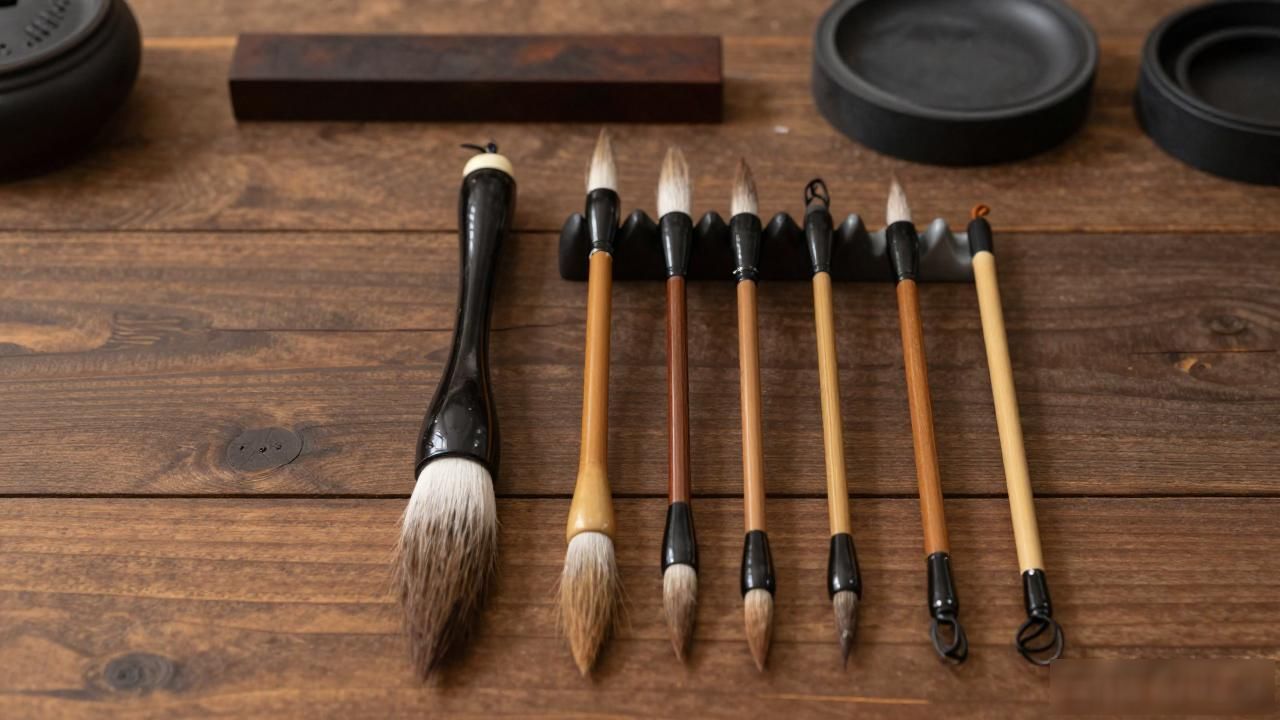
Consider also the size of your characters. Writing large mural-style characters requires a brush several inches long, while practice notebooks call for something compact and manageable. A beginner should start with a medium-sized brush made from a goat-wolf blend, as this combination offers flexibility without being overly demanding.
When purchasing, inspect the tip closely. Run your fingers gently along the bristles to feel for splaying or weakness. A well-made brush closes to a fine point and springs back into shape after each stroke. Testing before buying, whenever possible, remains the safest approach.
Why Do Chinese Calligraphy Brushes Matter to Practitioners Today
Many assume these brushes belong only in ancient studios or museum displays. The reality is quite different. Calligraphy brushes continue to play a vital role in contemporary Chinese art, education, and even therapeutic practice across the globe.
The act of holding a brush and guiding it across rice paper teaches patience, focus, and physical discipline. Each stroke becomes a meditation, demanding breath control and steady hands. Foreign practitioners who pick up the brush often report unexpected benefits in concentration and calm.
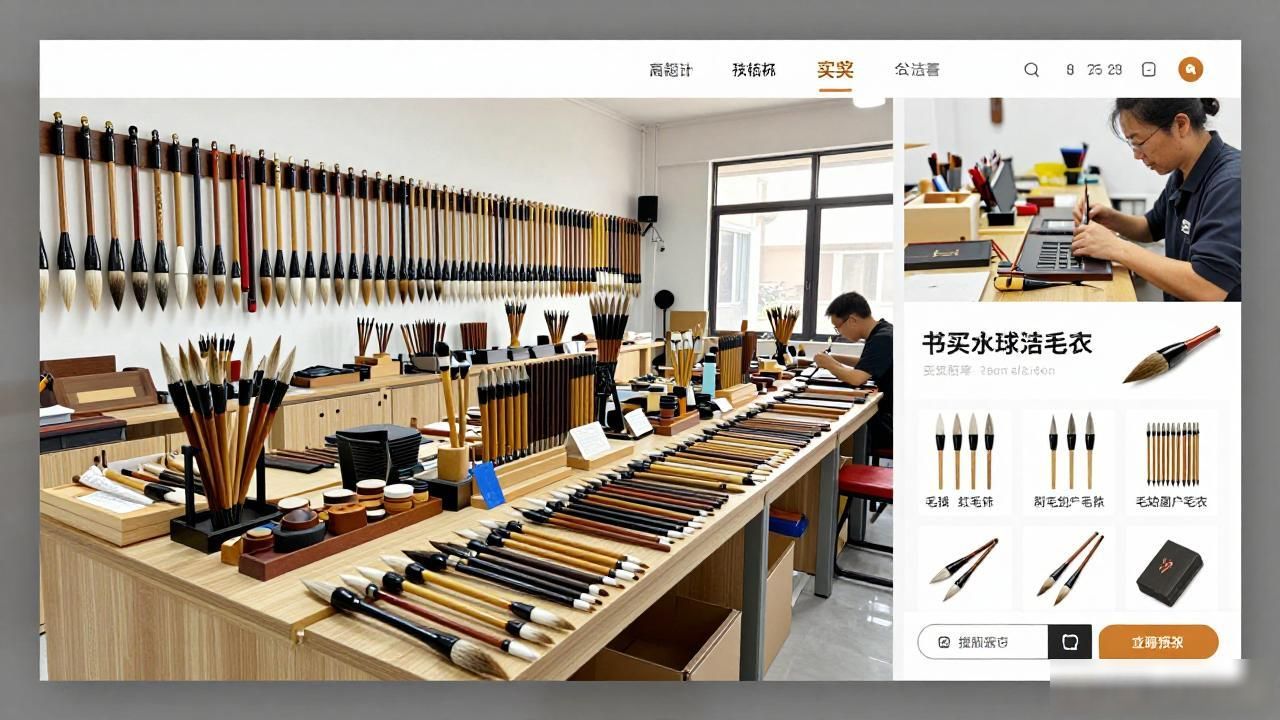
Modern brush manufacturers now produce affordable yet reliable options in sizes ranging from tiny detail brushes to grand studio pieces. Online stores and specialty art shops have made these tools accessible to anyone worldwide, removing the barriers that once limited access to authentic Chinese art supplies.
The cultural significance of the brush extends beyond aesthetics. Historically, the four treasures of the study — brush, ink stick, paper, and inkstone — were considered sacred instruments of learning and self-cultivation. This reverence still influences how artists approach their work today.
Owning and caring for a good brush is itself a practice. Cleaning it properly, reshaping the tip, and storing it correctly ensures longevity and performance. Many artists keep their most trusted brushes wrapped in paper or stored in wooden cases, treating them with the respect they deserve.
Chinese calligraphy brushes remain timeless instruments of expression, bridging ancient tradition and modern practice. Whether you are exploring the art for the first time or deepening a lifelong hobby, the right brush can transform your experience entirely.