
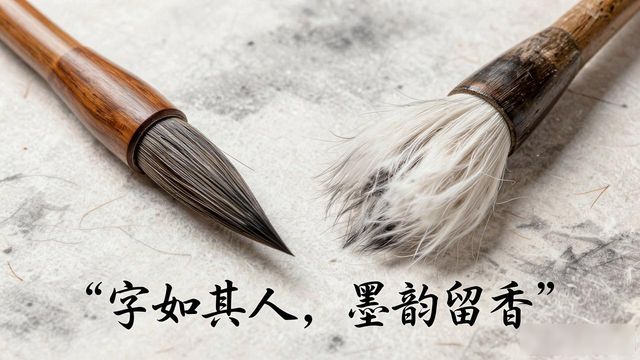
Chinese calligraphy brushes are more than simple writing tools—they are extensions of the artist’s mind, capable of expressing emotion, rhythm, and spirit through ink. Whether you are a beginner discovering the beauty of brush strokes or a seasoned artist looking for precision, the quality of your brush directly affects your work. Understanding the different types, materials, and uses of these brushes is essential for anyone serious about the art.
What makes a Chinese calligraphy brush different from ordinary paintbrushes
The first thing you will notice is the unique construction. Unlike Western paintbrushes, Chinese calligraphy brushes have a tapered, flexible tip that holds a large amount of ink and releases it gradually. The brush handle is typically made from bamboo or wood, chosen for its lightweight balance and natural feel. The bristles can be made from animal hair, including wolf,goat, weasel, or rabbit, each offering different levels of softness and spring.

Wolf hair brushes are firmer and more resilient. They are excellent for writing small, precise characters with sharp edges. Goat hair brushes are softer and absorb more ink, making them ideal for large, flowing strokes and expressive script styles. Many experienced calligraphers prefer mixed-hair brushes that combine the strengths of both—spring from wolf hair and soft ink flow from goat hair.
The shape also matters. A properly shaped brush holds a perfect point when wet, and the belly of the brush stores enough ink to complete several characters without reloading. This design is not just practical—it is essential for achieving the rhythm and momentum that define Chinese calligraphy.
How to choose the right calligraphy brush for your skill level
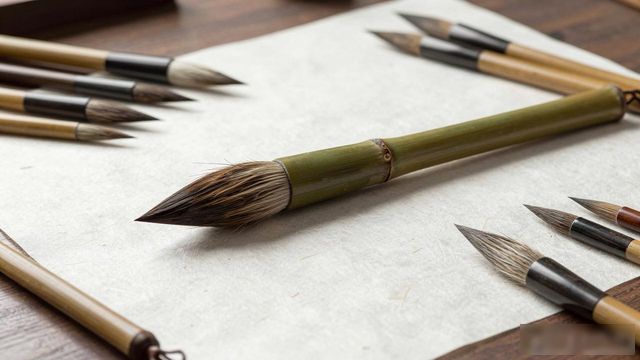
For beginners, a medium-sized brush with mixed goat and wolf hair is a safe and affordable choice. It offers enough flexibility to practice different styles while maintaining some structure. A brush size 3 or 4 works well for learning basic strokes on standard practice paper. Avoid very large or very small brushes at first, as they require more control.
Intermediate calligraphers should experiment with brushes made from specific animal hairs depending on the script they practice. If you focus on regular script (kaishu), a wolf hair brush gives you the precision needed for clean, squared strokes. If you prefer running script (xingshu) or cursive script (caoshu), a goat hair brush provides the softness and ink flow to create smooth transitions between strokes.
Professional artists often own multiple brushes and choose them based on the paper and ink they use. For example, thin, absorbent paper calls for a brush with less ink capacity to avoid bleeding. Thick, rough paper works well with a softer, larger brush. The key is to feel the brush’s response to your hand pressure and speed. A good brush becomes an extension of your intention.
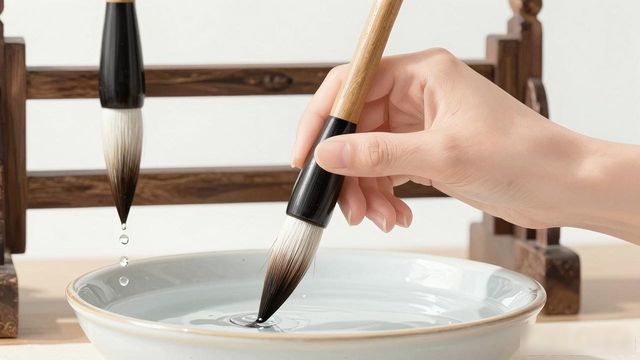
The brush should be cleaned immediately after use. Leftover ink hardens in the bristles and destroys the tip. Rinse gently in water, reshape the tip with your fingers, and hang the brush to dry with the tip pointing down. A well-maintained brush can last for years and even improve with age as the hairs settle.
Chinese calligraphy brushes are not just tools—they are companions on a lifelong journey of discipline and creativity. Choosing the right one is the first step toward mastering the art.