Tropical China is a term most Westerners don’t think about when they picture the country, but it exists and it’s not at all what you’d expect from a nation at this latitude. I’ve spent three winters in Hainan and two in Guangxi, and the reality on the ground surprises nearly every foreign traveler I meet there. The word “tropical” here means something specific, not just “warm.”
Where is tropical China actually located

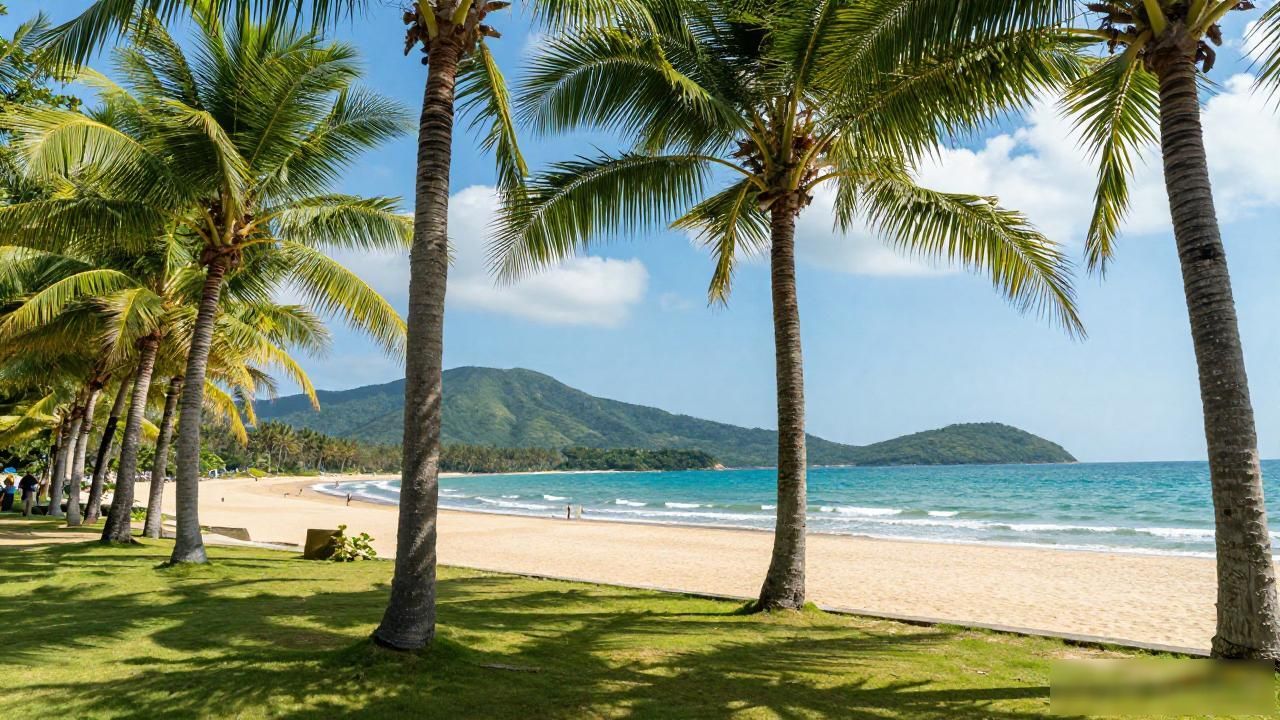
The zone stretches from Hainan Island in the far south up through Guangdong, Guangxi, and the southernmost tip of Yunnan. Hainan sits at roughly the same latitude as the Bahamas, which explains why it gets barely any true winter. January daily highs still hit 20°C or more, and you’ll see coconut palms swaying where most Europeans would expect bare branches and cold wind.
Guangxi adds a whole different layer—towering karst cliffs, limestone caves, and monsoon rains that reshape the landscape into something almost prehistoric. The stretch of border near Vietnam feels like stepping into a completely separate country in both climate and daily rhythm.
What makes tropical China feel different
The humidity is the first thing that hits you, and it doesn’t ease off the way it does in, say, southern Thailand. Hainan in July feels like being wrapped in a warm wet towel that never stops. Locals adapt by drinking coconut water all day, eating cold rice noodles, and keeping every window and door thrown open to catch cross-breezes.
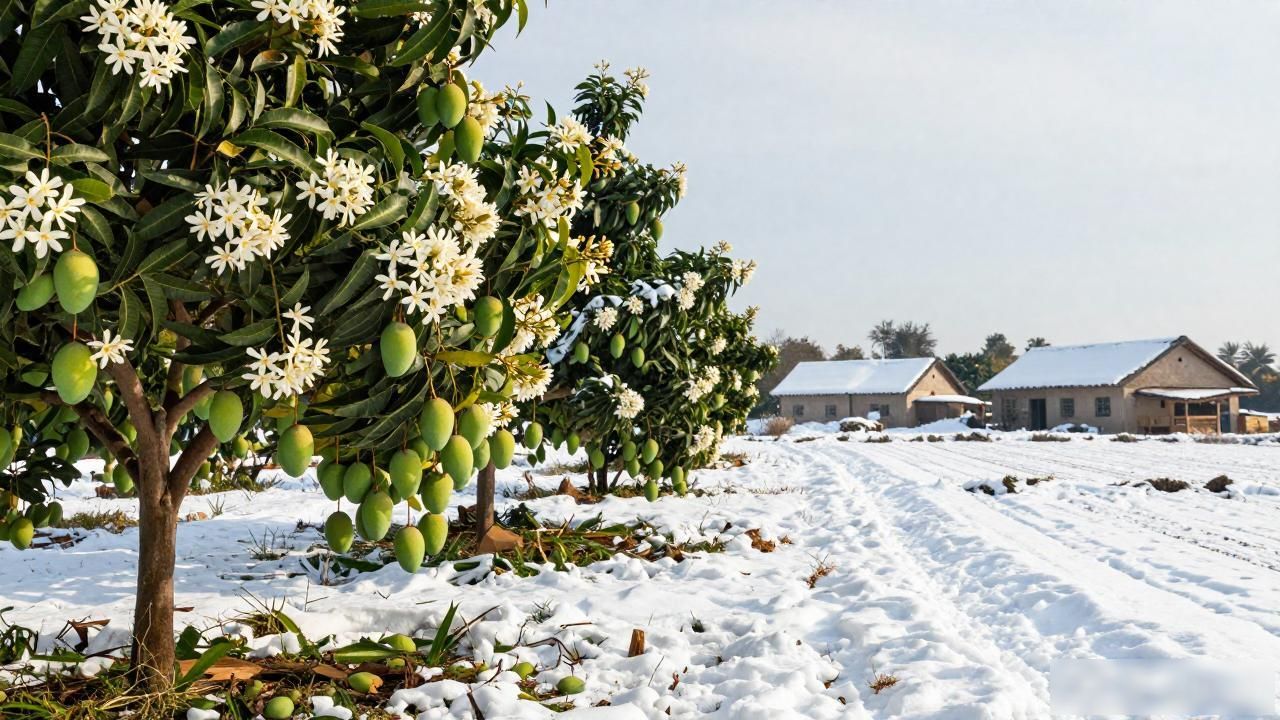
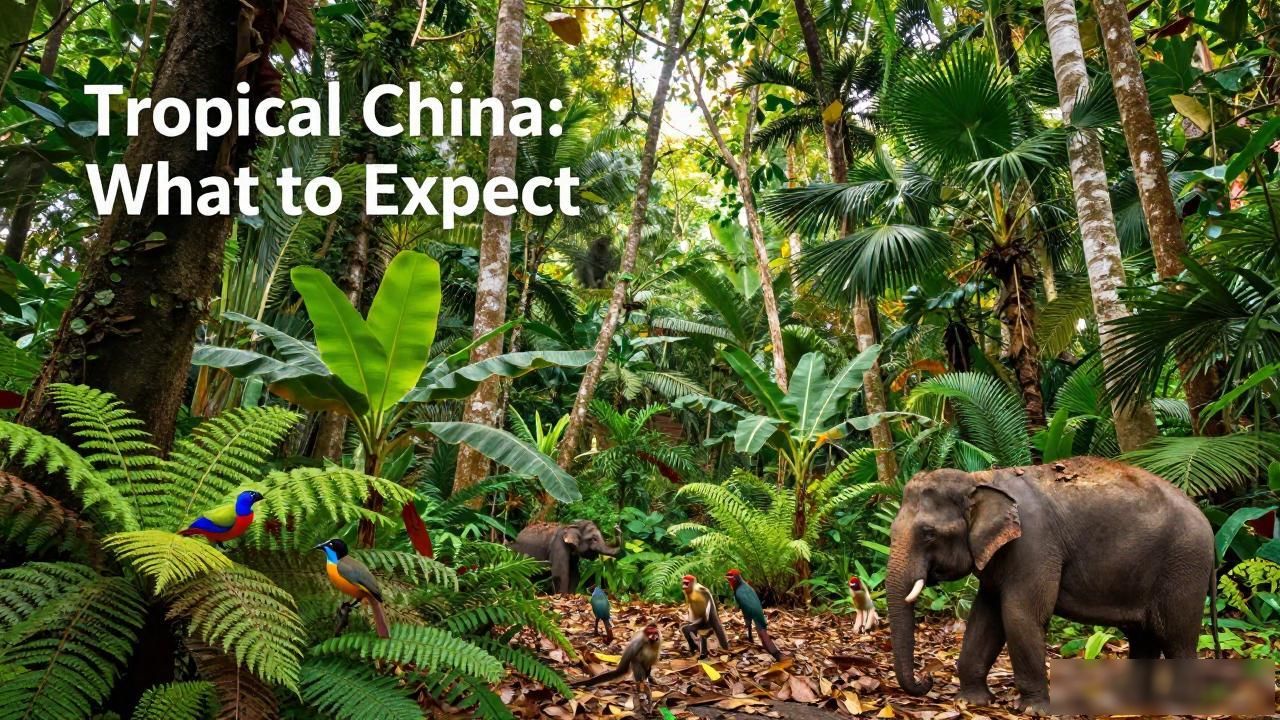
What genuinely surprised me was how green everything stays year-round. In my second Hainan winter,I watched the same mango trees flower and set fruit again while the rest of Europe was buried under snow. The agricultural calendar here is so compressed that farmers routinely work two or three full harvests in a single year with very little fallow time.
If you’re planning a trip, pack for heat that simply doesn’t switch off and bring a light rain jacket for the monsoon windows. Tropical China rewards anyone who wanders off the well-worn tourist paths into village wet markets and riverside stalls. It’s lush, loud, and completely unlike the Beijing and Shanghai most people know.