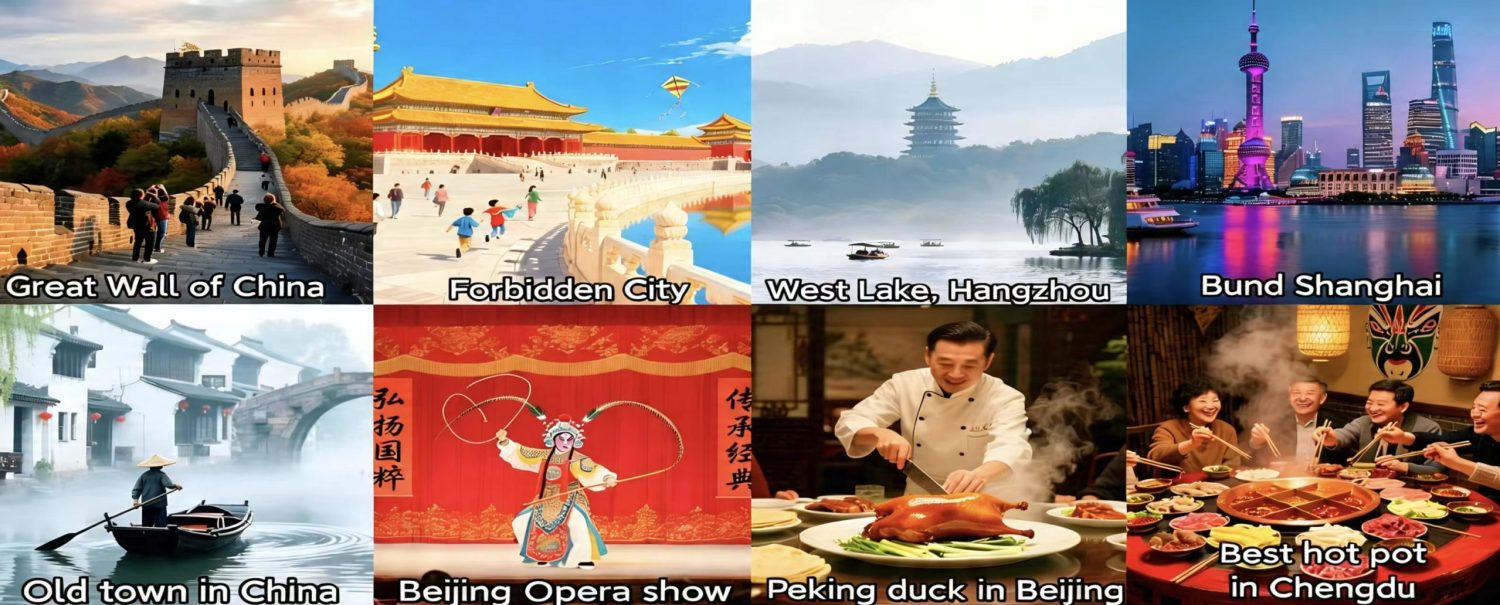
Tropical China is an afterthought on most travel lists. People picture the Forbidden City or the Great Wall, completely missing the sweltering south where palm trees line every boulevard and the air feels thick enough to drink. This article covers what tropical China actually offers, where it sits, and how it stacks up against other tropical spots.
What does tropical China feel like
The sensory hit lands the moment you touch down in Sanya or Xishuangbanna. Humidity runs 80 to 90 percent most afternoons. Clothes stick to your skin, your hair frizzes, and sweat pools under your collar before you finish ordering at a street stall. The landscape shifts fast. Mangrove forests give way to volcanic black-sand beaches on Hainan‘s western coast, while Yunnan’s border rainforest hides gibbons and proboscis monkeys in the canopy.

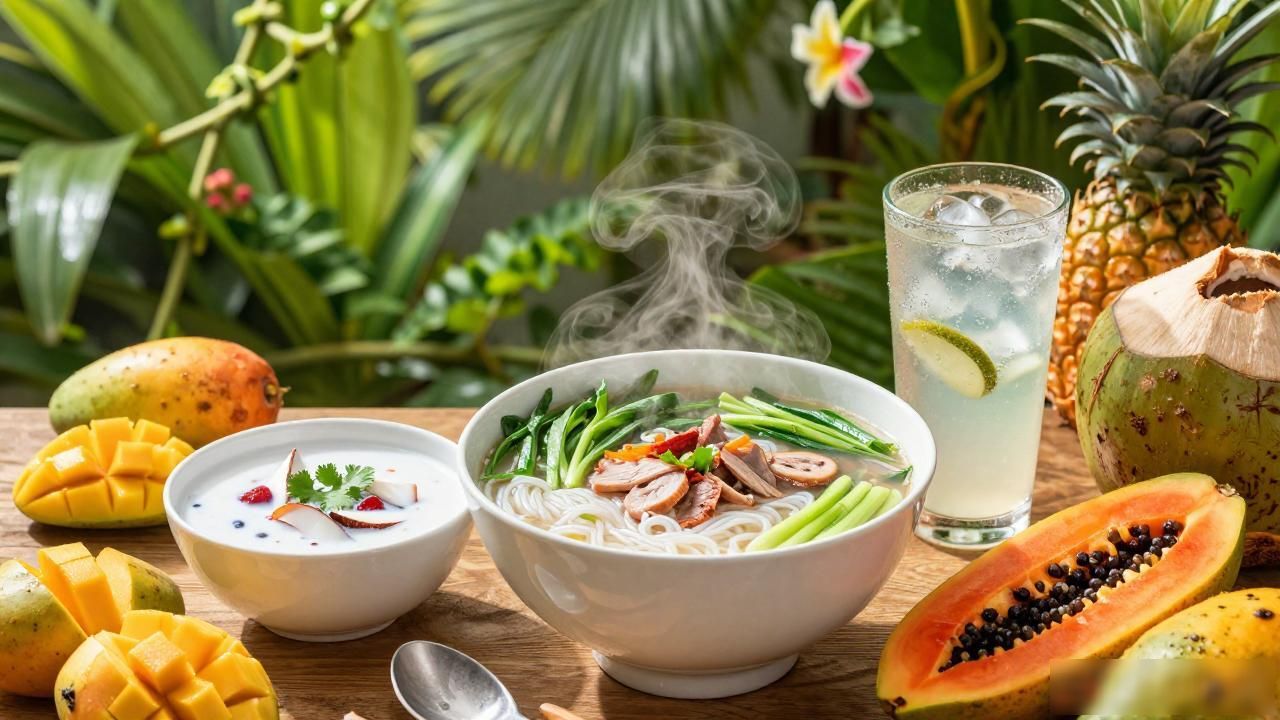
You’ll notice the food is built for heat. Cold rice noodles, coconut-milk soups, tamarind ice drinks, and heaps of fresh fruit appear at nearly every restaurant. Hainanese cuisine leans on coconut milk and lemongrass, giving even a plate of steamed fish a complex aromatic depth.
Where exactly is tropical China
The core zone spans Hainan Island, southern Guangdong, southern Guangxi, and Xishuangbanna in Yunnan. Hainan sits south of the Tropic of Cancer, making it the only fully tropical province. Xishuangbanna, bordering Myanmar and Laos, gets even wetter in monsoon months.
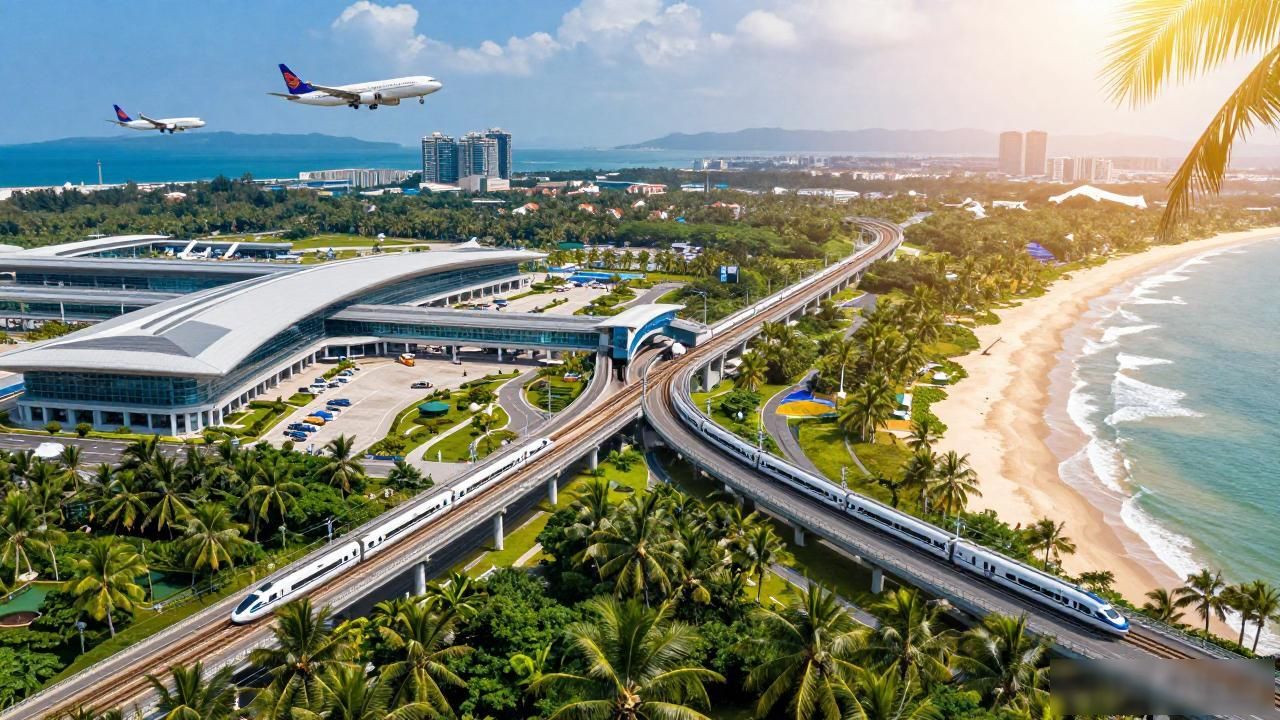
Getting there is easy. Hainan has two international airports, and Xishuangbanna links up with Kunming or direct flights from Bangkok. High-speed rail connects Haikou to Sanya in under two hours, and the island’s roads are wide and well-paved.
How does tropical China compare
Against Thailand or Bali, tropical China is quieter and far less crowded on the sand. No longtail boat every ten meters, no tuktuk honking past your hotel. The tradeoff: fewer established backpacker trails and a heavier reliance on Chinese-language apps for payment and restaurant reviews.
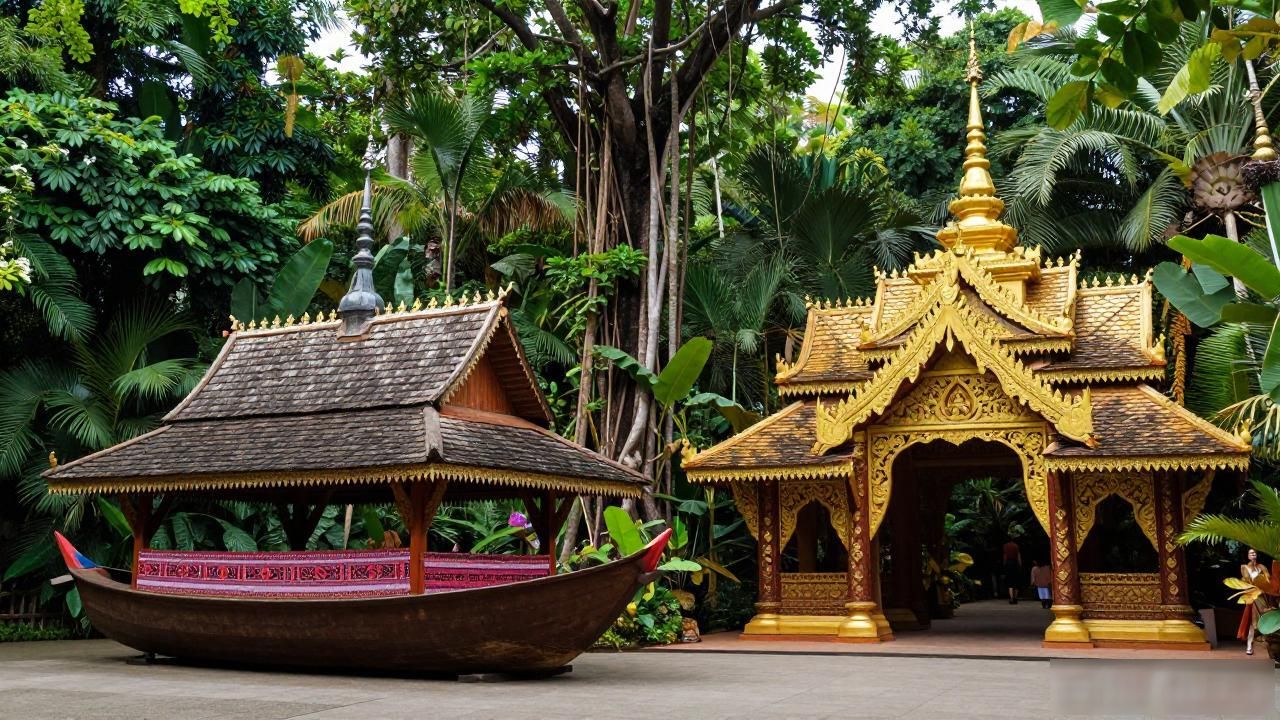
Culturally, the mix is what stands out. Hainan carries strong Li ethnic traditions, and Xishuangbanna is deeply Dai-influenced, with golden temples and the April water-splashing festival that rivals anything in mainland Southeast Asia. The pace is slower, prices lower outside resorts,and the heat is no gentler than anywhere else in the tropics.
Want a tropical escape that doesn’t feel like a postcard you’ve seen a hundred times? The south coast of China is genuinely underexplored. Pack thin fabrics, a real rain jacket, and zero assumptions.