Beijing hutongs are more than narrow alleyways squeezed between old city blocks. They are the living veins of the city’s past, where neighbors still swing laundry lines between courtyards, orange tabbies patrol the rooftops, and the yeasty smell of jianbing drifts up from a corner stall before you’ve even turned the corner. After five years living in Beijing, I’ve come to see these lanes as the city’s actual personality, light-years away from the glass towers of the CBD.
Why do locals love Beijing hutongs

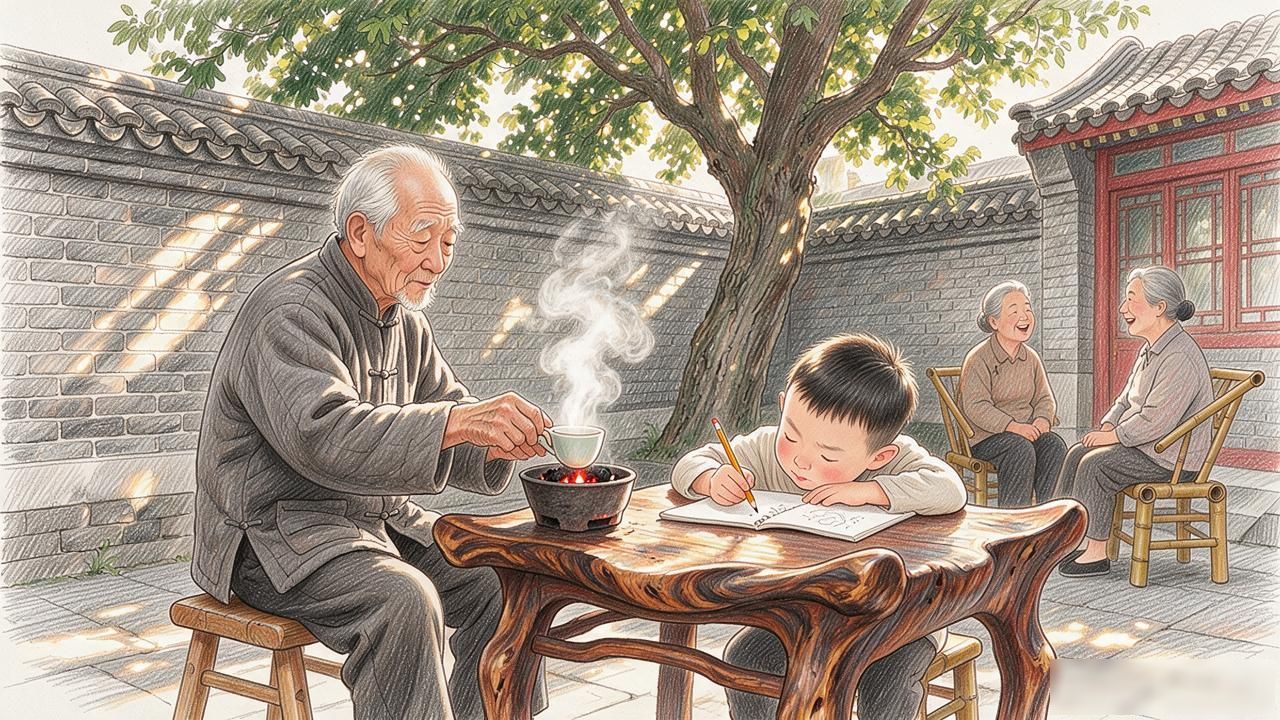
You step into a courtyard compound and the pace drops almost instantly. No one is sprinting for the subway. A seventy-year-old man is stoking a small charcoal stove, boiling tea, while his grandson squints at homework on a warped wooden table. The neighbors know each other by name, by generation, by which family moved in during the Eighties. This quiet, interwoven sense of community is something no high-rise apartment can replicate, no matter how many smart-home features it packs in.
The buildings themselves hold the story. A 1930s Western-style villa with a green-iron gate sits three doors down from a Ming-dynasty courtyard with peeling plaster and a cracked flagstone floor. The layering of eras in one short lane is what gives each hutong its particular, unrepeatable texture.
How to explore Beijing hutongs
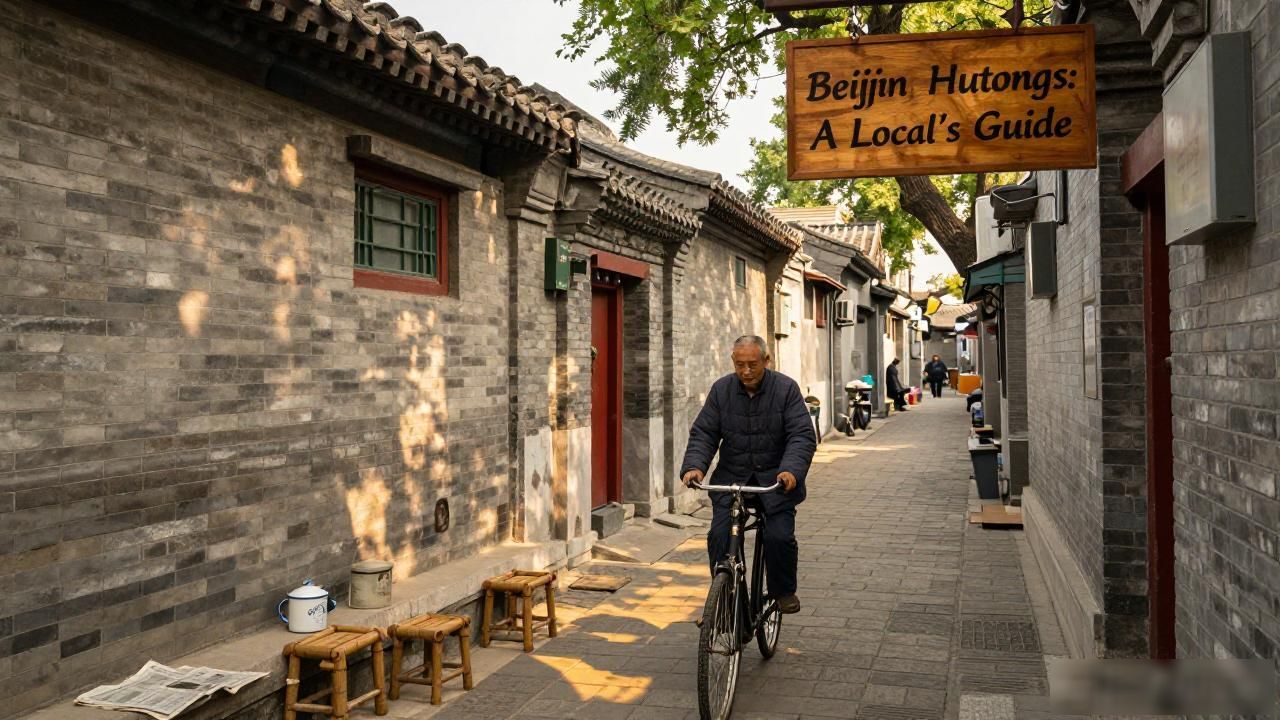
Most first-time visitors head straight for Nanluoguxing because it sits on every tourist map, lined with souvenir shops and expat-friendly bars. It is pleasant enough, but it is also the least authentic option you can pick. Walk a few blocks north into Shijiasinan or Beisihuan, and the commercial sheen evaporates. You will find a tiny bakery, a laundromy with a hand-painted sign, and an old woman selling bundles of chives at a folding cart.
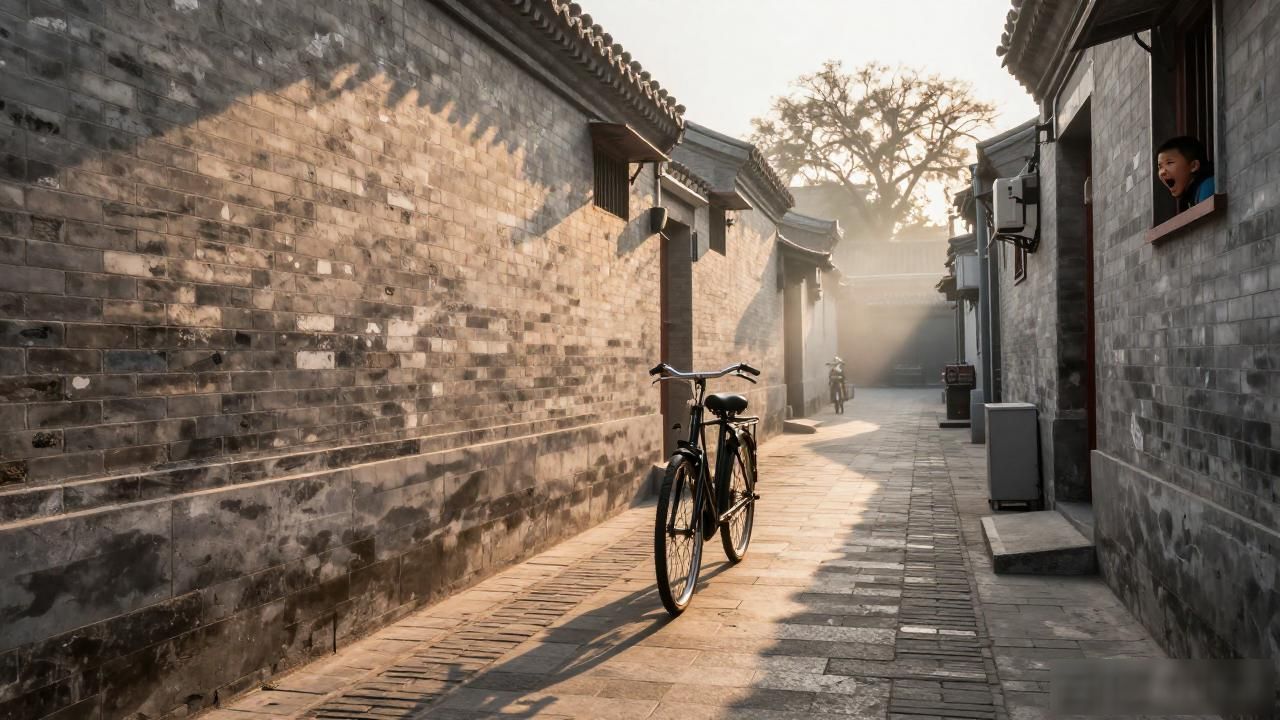
The best hours are early morning or late afternoon, when the light rakes low across grey brick walls and the lanes fill with the murmur of bicycles, radio static, and children shouting through open windows. Bring a camera, but set it down sometimes and just walk. Let the lane set the rhythm instead of your itinerary.
Beijing is building fast, and whole stretches of hutong will be gone within a decade. The ones that remain are not museum exhibits; people still live and argue and celebrate inside them. Walk in slowly,say hello to the person shaking out a basket of dried chilies, and you will understand why this city still breathes.