
Traditional hot pot is more than just a meal — it’s a social experience built around simmering pots of flavorful broth. The magic lies in the broth, and understanding traditional hot pot flavors is the first step to enjoying this dish like a local. From tongue-numbing spicy broths to delicate clear soups, each flavor tells a story of regional Chinese cuisine. In this guide, I’ll walk you through the most beloved traditional hot pot flavors, what makes each unique, and how to enjoy them.
What makes mala hot pot so addictive
Mala, which means “numbing and spicy,” is the most famous traditional hot pot flavor. It comes from Sichuan province, where bold, fiery food is a way of life. The broth gets its kick from dried chilies and its signature tingle from Sichuan peppercorns. When you dip sliced beef or lamb into this bubbling red oil, the heat builds slowly, then the numbing sensation follows. It’s intense but strangely refreshing, which is why so many people crave it.

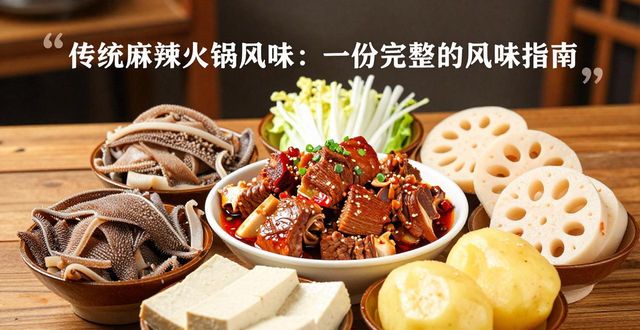
To enjoy mala properly, you need ingredients that can stand up to the strong flavor. Think fatty meats like brisket, offal such as tripe, and firm tofu. The oil clings to everything, so vegetables like lotus root and potato are great because they soak up just enough spice. If you’re new to mala, start with a split pot that has a mild broth on the other side. That way you can control the heat and still taste your food.
How to appreciate clear broth hot pot flavors
Not all traditional hot pot flavors scream with spice. Clear broth, often called “yuan yang” broth in its plain form, is perfect for seafood, vegetables, and delicate meats. The most common clear broth is made from chicken, pork bones, or seaweed, simmered for hours until it turns golden and savory. Some versions add goji berries and jujubes for a subtle sweetness. This broth lets the natural taste of fresh ingredients shine through.
When eating clear broth hot pot, timing matters. Add thin slices of fish or shrimp first, as they cook in seconds and infuse the broth with ocean sweetness. Next, throw in leafy greens like bok choy or chrysanthemum greens, which wilt in the warm liquid without losing their crunch. The broth itself becomes richer after each ingredient, so be sure to ladle some into a bowl at the end and drink it like a soup. It’s the perfect cozy finish.
Why mushroom and tomato broths are hidden gems
Mushroom broth is a vegetarian dream that even meat lovers enjoy. Dried shiitake, porcini, and wood ear mushrooms are rehydrated to create a deeply earthy and umami-packed base. Unlike spicy broths, mushroom broth doesn’t compete with ingredients — it enhances them. This flavor works especially well with tofu, enoki mushrooms,and root vegetables. Because it’s so light, you can dip cooked items in a simple sesame or garlic sauce without overwhelming your palate.
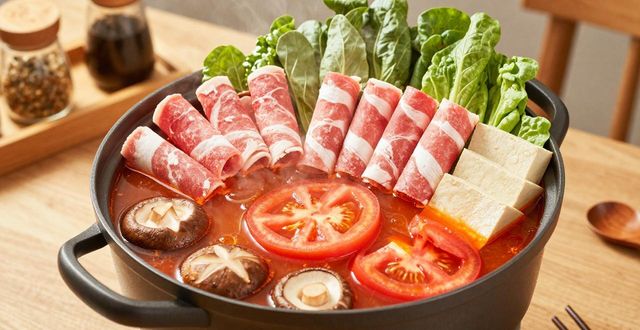
Tomato hot pot is a newer addition to the traditional lineup but has quickly gained a loyal following. The broth is made by slow-cooking fresh tomatoes with ginger and a touch of sugar, creating a tangy and slightly sweet soup. It’s incredibly refreshing, especially when paired with fatty beef or meatballs. The acidity cuts through richness, so you never feel too full. Many restaurants now offer a half-tomato, half-spicy pot, giving you the best of both worlds. Don’t forget to crack an egg into the tomato broth at the end for a silky, satisfying finish.
Regional twists on traditional hot pot flavors
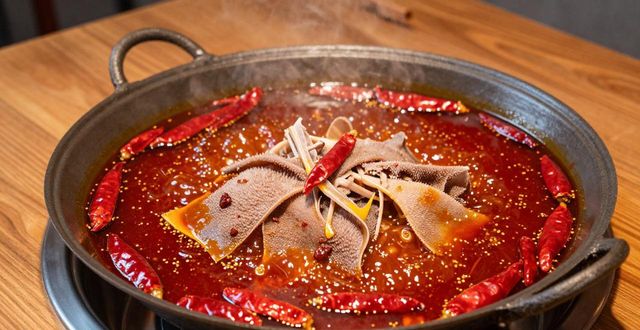
Every region in China puts its own spin on hot pot. Chongqing’s version is pure fire — a thick layer of chili oil with beef tallow, no water added. The broth here is so rich that you don’t need dipping sauce. In Beijing, the classic “copper pot” uses a simple clear broth, but the star is the hand-cut lamb and a thick sesame paste dip. Yunnan province offers a sour-spiced broth made with wild herbs and pickled vegetables, which wakes up your taste buds in a completely different way.
For adventurous eaters, try Guangdong’s “herbal broth” made with Chinese angelica, astragalus, and other medicinal roots. It has a bitter-savory flavor that’s believed to balance your body’s energy. Another unique flavor is the “sauerkraut fish” hot pot from northeastern China, featuring fermented cabbage and tender fish slices. The sourness contrasts beautifully with spicy and salty notes. Exploring these regional broths is like taking a culinary tour of China without leaving your table.
Now I’d love to hear from you: Which traditional hot pot flavor are you most excited to try, or do you already have a favorite? Drop a comment below, hit that like button, and share this guide with your fellow hot pot lovers!