
Guangzhou is the birthplace of dim sum, a culinary tradition that has captivated food lovers around the world. For visitors, experiencing authentic dim sum in Guangzhou is not just a meal – it’s a journey into Cantonese culture, history, and hospitality. From steamer baskets piled high with fluffy buns to delicate shrimp dumplings, every dish tells a story. In this guide, I’ll walk you through the essential dishes, how to order like a local, and the best neighborhoods to explore. Whether you’re a first-timer or a seasoned foodie, you’ll leave with a full stomach and a deeper appreciation for this art form.
Best dim sum dishes to try
If you only have one chance to try dim sum in Guangzhou, start with har gow (shrimp dumplings). The translucent wrapper should be thin yet sturdy, revealing plump, juicy shrimp inside. Another must-try is siu mai, an open-topped dumpling filled with pork and mushroom, often topped with orange roe or a sliver of carrot. Don’t miss char siu bao – fluffy steamed buns stuffed with sweet barbecue pork. For a crispy contrast, order dan tat (egg tarts) with their buttery, flaky crust and silky custard center. Each bite reveals the chef’s skill in balancing texture, flavor, and freshness.

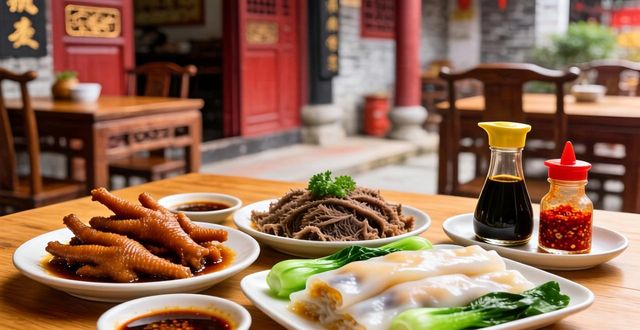
Beyond the classics, adventurous eaters should sample phoenix claws (braised chicken feet) and beef tripe. These may sound intimidating, but they are slow-cooked until tender in a black bean sauce that is deeply savory. Another local favorite is cheung fun – silky rice noodle rolls wrapped around shrimp,beef, or youtiao (fried dough), then drizzled with sweetened soy sauce. The key to enjoying dim sum is variety: order small portions of many dishes, sharing family-style. This way, you can sample the full spectrum of Cantonese flavors without getting too full too quickly.
How to order dim sum in Guangzhou
Unlike à la carte restaurants, dim sum is traditionally served from pushcarts wheeled around the dining hall. When a cart passes by, simply point at what looks good, and the server will mark a card on your table. Today, many modern teahouses in Guangzhou also use paper checklists where you tick dishes by hand. To order like a local, always start with tea – oolong, pu’er, or jasmine are popular choices. The tea is used to cleanse your palate between bites. When you need a refill, leave the teapot lid ajar or tap two fingers on the table as a polite “thank you” gesture.
A common beginner mistake is ordering too much dim sum at once. Remember that dishes come out in waves, and you can always add more later. Wait for the first few baskets to arrive, then gauge your hunger. Also, be mindful of timing: dim sum is typically eaten from morning until mid-afternoon (around 11 a.m. to 3 p.m.). Many traditional houses stop serving after lunch, though some places now offer evening service. Bring cash or a mobile payment app like Alipay – while big chains accept cards, smaller hole-in-the-wall spots are often cash-only.
Where to eat dim sum in Guangzhou for authenticity
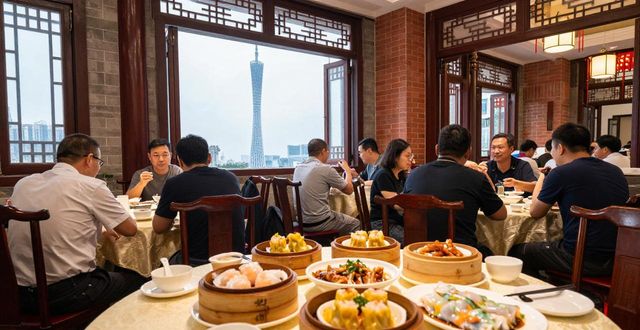
For a classic, no-frills experience, head to Panxi Restaurant near Liwan Lake. This historic venue has been serving dim sum since 1947, and its garden setting is breathtaking. Locals queue here for the shrimp dumplings and water chestnut cake. If you prefer a bustling, chaotic atmosphere, try Guangzhou Restaurant on Shangxiajiu Pedestrian Street. It’s a favorite for families, and you’ll hear more Cantonese than English. The turnover is fast, so you rarely wait long for a table. Their roasted pigeon is also legendary, though not technically dim sum – order it as a side.
For a Michelin-guided taste, check out Tim Ho Wan on Shamian Island. It earned a star for its baked bun with barbecue pork – a caramelized, crunchy twist on char siu bao. Prices are shockingly low for the quality. Another gem is Dian Dou De, a modern chain that maintains traditional techniques while offering an English picture menu, perfect for nervous newcomers. Don’t overlook neighborhood tea houses in Fangcun or Haizhu District – these are where actual retirees gather for hours of tea, gossip, and steaming baskets. The best dim sum in Guangzhou often hides in places without English signs.
Dim sum etiquette and cultural tips
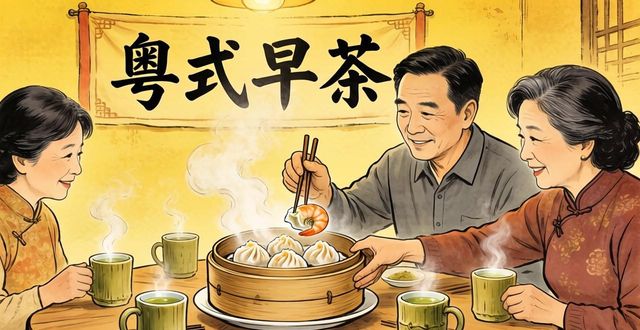
Never flip your chopsticks to pass food – use serving chopsticks if provided. When sharing a steamer, rotate the basket so everyone gets a turn at the best pieces. Slurping tea loudly is considered a sign of enjoyment, but burping is not. If you’re invited to yum cha (drink tea) with locals, let the senior person pour first. Tapping two fingers (index and middle) on the table when someone pours your tea is a quiet thank-you, originating from an ancient emperor’s story. Also, avoid stacking empty baskets on the table – it suggests you’re rushing the staff. Place them neatly to the side instead.
One more tip: don’t ask for soy sauce with your har gow or siu mai. These dumplings are already seasoned perfectly. Adding sauce would insult the chef. If you must add something, try chili oil or hot sauce – but use sparingly. Finally, leave a small amount of food in each basket when you’re finished. In Cantonese culture, cleaning every last bite indicates you didn’t get enough. A tiny leftover shows you’re satisfied and grateful. Following these small rules will earn you warm smiles and maybe even a free dessert from the staff.
Now it’s your turn: Have you ever tried dim sum in Guangzhou or elsewhere? Which dish would you hunt down first – the classic har gow or a daring plate of chicken feet? Share your thoughts in the comments, and don’t forget to hit like and share this guide with your fellow food explorers!