
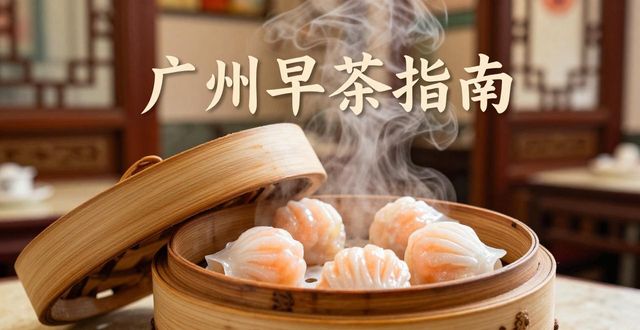
Dim sum in Guangzhou is more than just a meal; it is a cherished cultural tradition that brings people together over steaming baskets of delicate dumplings, buns, and rolls. As the birthplace of Cantonese cuisine, Guangzhou offers the most authentic and diverse dim sum experience you can find anywhere. From old-school tea houses to modern Michelin-starred restaurants, the city’s dim sum scene caters to every taste and budget. In this guide, I will walk you through everything you need to know, including the best time to go, where to find the real deal, how to order like a local, must-try dishes, price ranges, and dining etiquette. Whether you are a first-time visitor or a seasoned foodie, these tips will help you enjoy dim sum in Guangzhou like a true insider.
What is the best time for dim sum in Guangzhou
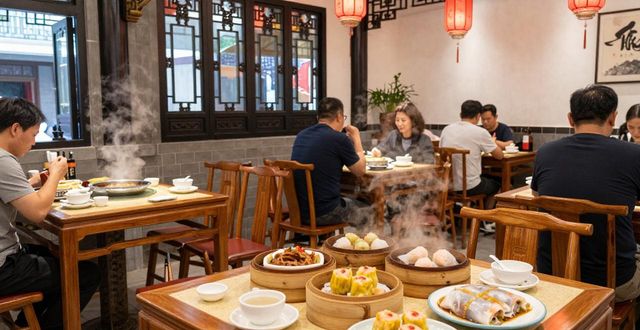
The classic dim sum experience is tied to yum cha, which means “drink tea” in Cantonese. Traditionally, locals head to tea houses as early as 6 or 7 in the morning to enjoy freshly steamed dim sum with their first cup of tea. Morning hours until about 11 a.m. are considered the prime time because the dishes come out piping hot and the atmosphere is lively with elderly regulars reading newspapers. If you go too late, some popular items might be sold out, especially on weekends.
For those who are not early birds, many restaurants serve dim sum from breakfast through late afternoon, typically until 4 p.m. Some modern chains even offer all-day dim sum, but the quality may drop in the evening. I recommend going between 9 a.m. and 11 a.m. on weekdays to avoid long queues while still enjoying fresh batches. Avoid lunch rush hours (12 p.m. to 1 p.m.) when the restaurants get packed with office workers. Remember that dim sum is not typically eaten for dinner in traditional settings, so plan your day accordingly.
Where to find authentic dim sum in Guangzhou

Authentic dim sum in Guangzhou can be found everywhere, from hole-in-the-wall shops to grand banquet halls. However, the most reliable places are long-established tea houses like Guangzhou Restaurant, Panxi Restaurant, and Tao Tao Ju. These institutions have been serving dim sum for decades and maintain traditional recipes and techniques. For example, Guangzhou Restaurant’s shrimp dumplings (har gow) have a thin, translucent wrapper and plump filling that sets the standard for the city.
If you prefer a more modern or Michelin-recognized experience, head to Tim Ho Wan, the famous one-star dim sum chain that originated in Hong Kong but has excellent outlets in Guangzhou. Another gem is Bing Sheng Mansion, known for its innovative yet respectful take on classic dishes. For a local’s secret, explore the streets of Liwan District, where small family-run shops sell freshly made siu mai and cheung fun at half the price. Avoid tourist-heavy areas like Beijing Road pedestrian street, where dim sum is often overpriced and pre-made.
How to order dim sum like a local
Ordering dim sum in Guangzhou can be intimidating if you don’t speak Cantonese, but it’s actually straightforward once you know the system. In traditional tea houses, servers push carts of steaming baskets around the dining hall, and you simply point at what you want. Each dish is marked with a price tier (small, medium, large, or special), and your bill is tallied by counting the empty baskets on your table. This cart style is becoming rare in newer restaurants, but you can still find it at places like Panxi Restaurant.
In most modern dim sum restaurants, you order from a paper checklist or a QR code menu. Look for pictures or English translations,but it’s helpful to learn a few key names: har gow (shrimp dumplings), siu mai (pork and mushroom dumplings), char siu bao (barbecue pork buns), and cheung fun (rice noodle rolls). Start with two or three dishes per person, then add more as you go. Don’t forget to order tea first – oolong, pu’er, or jasmine are common choices. The tea is not a drink pairing; it’s meant to cleanse your palate between bites.
What are the must-try dim sum dishes
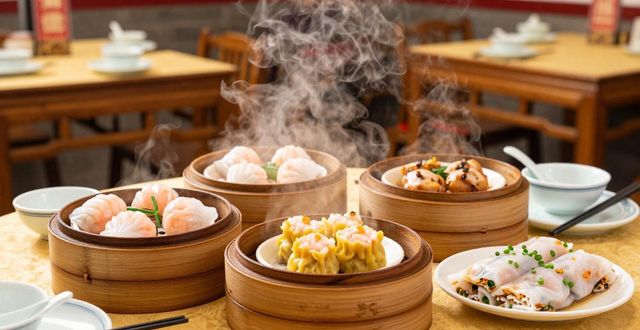
When you sit down for dim sum in Guangzhou, you absolutely cannot miss har gow. These crystal-clear shrimp dumplings are the benchmark of any dim sum kitchen. The wrapper should be thin, chewy, and not sticky, with at least three whole shrimp inside and a hint of bamboo shoots and pork fat. A good har gow will burst with sweet, briny juice when you bite into it. Second on the list is siu mai – an open-topped dumpling filled with pork, shrimp, and shiitake mushroom, often topped with orange crab roe.
Other essential dishes include char siu bao, fluffy steamed buns stuffed with sweet and savory barbecued pork; cheung fun, silky rice noodle rolls drizzled with sweet soy sauce and filled with shrimp, beef, or youtiao (fried dough); and phoenix claws (braised chicken feet) in black bean sauce – a textural adventure that locals adore. For dessert, try dan tat (egg tarts) with flaky pastry and custard filling, or ma lai go (steamed sponge cake). Don’t be afraid to explore: every tea house has its own signature creations. I suggest ordering at least one baked or fried item, like ham sui gok (glutinous rice dumpling filled with pork), for contrast.
How much does dim sum cost in Guangzhou
One of the best things about dim sum in Guangzhou is its affordability compared to other major cities. In a traditional tea house or local favorite, you can expect to pay around 20 to 40 RMB (roughly 3 to 6 USD) per person for a satisfying meal of four to five dishes. Small items like a basket of har gow might cost 15 to 25 RMB, while large or special items like a plate of roasted pigeon could be 50 RMB. The tea itself is usually charged per person, typically 5 to 10 RMB, and you can refill the pot with hot water all morning.
At high-end or Michelin-starred restaurants, prices go up significantly – a meal for two might cost 200 to 400 RMB. However, even these places are reasonable by international standards. The most budget-friendly option is to visit a “dim sum fast food” chain like Dian Dou De, where you can get a full set meal for under 30 RMB. Remember that many restaurants offer discounts during early morning hours (before 9 a.m.) or on weekdays. Also, a 10% service charge is common in upscale venues, but local tea houses rarely add any extra fees.
What is the etiquette for eating dim sum
Eating dim sum in Guangzhou comes with a few unwritten rules that show respect for the culture. First, when someone pours tea for you, tap two fingers (index and middle) on the table near your cup. This gesture thanks the pourer without interrupting conversation. It originates from a story about an emperor traveling incognito. Second, never pour tea for yourself before pouring for others. The proper order is to fill everyone else’s cup first, then your own. Keep your cup half-full and accept refills graciously.
Another key etiquette: don’t flip the lid of the teapot upside down unless you want the server to refill the hot water. Placing the lid askew signals that you need more water. Also, avoid eating dim sum too quickly – yum cha is a social activity meant to last an hour or more. Share dishes family-style and use the serving chopsticks if provided. If you don’t have serving chopsticks, use the blunt ends of your own to transfer food. Lastly, don’t leave the table while the teapot is empty; it’s considered rude to waste everyone’s tea. Following these small gestures will make you feel like a local in no time.
Now it’s your turn: Have you ever tried dim sum in Guangzhou, or do you have a favorite dish that I didn’t mention? Share your experience in the comments below, and don’t forget to like and share this guide with fellow food lovers