
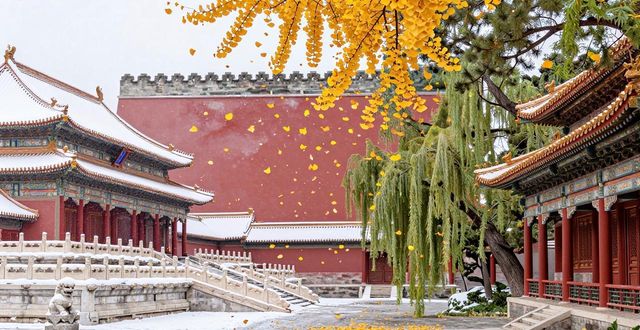
The Forbidden City stands as one of the most remarkable architectural and historical wonders in the world. Built over 600 years ago, this massive palace complex in the heart of Beijing served as the political and ceremonial center of Chinese emperors for nearly five centuries. Understanding its history helps visitors grasp not just the grandeur of Chinese architecture, but also the deep layers of imperial power, culture, and tradition that shaped the nation.

Why Was the Forbidden City Built
To understand the Forbidden City, you have to go back to the early 1400s. The Ming Dynasty’s third emperor, Yongle, decided to move the capital from Nanjing to Beijing. He wanted a new imperial palace that would project his power and authority. Construction began in 1406 and took about 14 years to complete, using over a million laborers and countless artisans. The layout was carefully designed according to ancient Chinese cosmology, with the palace facing south to symbolize the emperor’s role as the Son of Heaven. Every detail, from the golden roof tiles to the red walls, had symbolic meaning. The emperor wanted a city within a city, a place where no commoner could enter without permission. That’s how it got the name “Forbidden City.” It wasn’t just a home for the emperor and his family. It was also the nerve center of government. For hundreds of years, decisions affecting millions of people were made inside these walls.
What Major Events Shaped Its History Over the Centuries
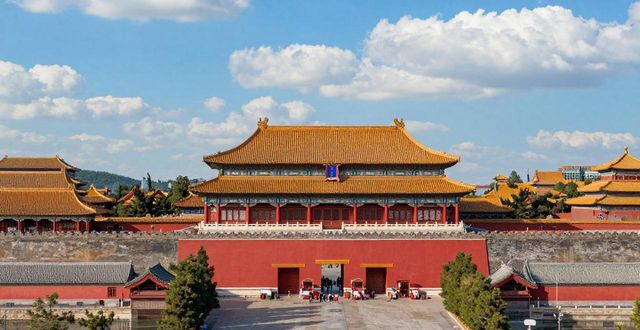
The Forbidden City didn’t just sit there quietly. It witnessed coups, fires, invasions, and reforms. During the late Ming Dynasty,the palace suffered from neglect and internal conflict. When the Qing Dynasty took over in 1644, the new rulers expanded and renovated the complex, adding more halls and gardens. The most famous period for the Forbidden City was perhaps the reign of Emperor Qianlong in the 18th century, when the empire was at its peak and the palace saw grand ceremonies and artistic flourishing. But things changed dramatically in the 19th and early 20th centuries. Foreign armies, including the British and French forces during the Second Opium War, marched into the city and looted treasures. The last emperor, Puyi, was forced to leave in 1924 after a coup. After that, the Forbidden City was turned into a public museum, now called the Palace Museum. During World War II and the Chinese Civil War, many artifacts were secretly moved to protect them from destruction. Walking through the halls today, you can still feel the weight of those centuries.
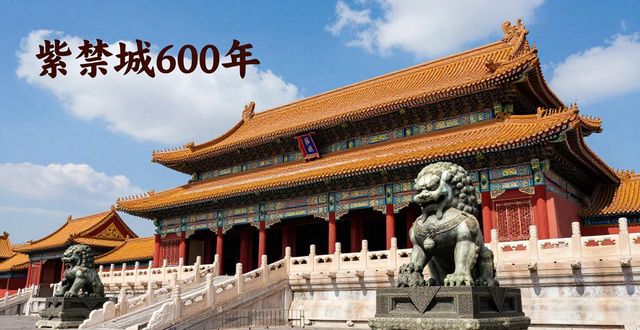
The Forbidden City is more than a tourist attraction. It is a living record of China’s imperial past. Every stone, every painting, every courtyard tells a story about power, art, and resilience. Whether you are a history buff or a casual traveler, visiting this UNESCO World Heritage site gives you a direct connection to a world that once ruled unchallenged.