
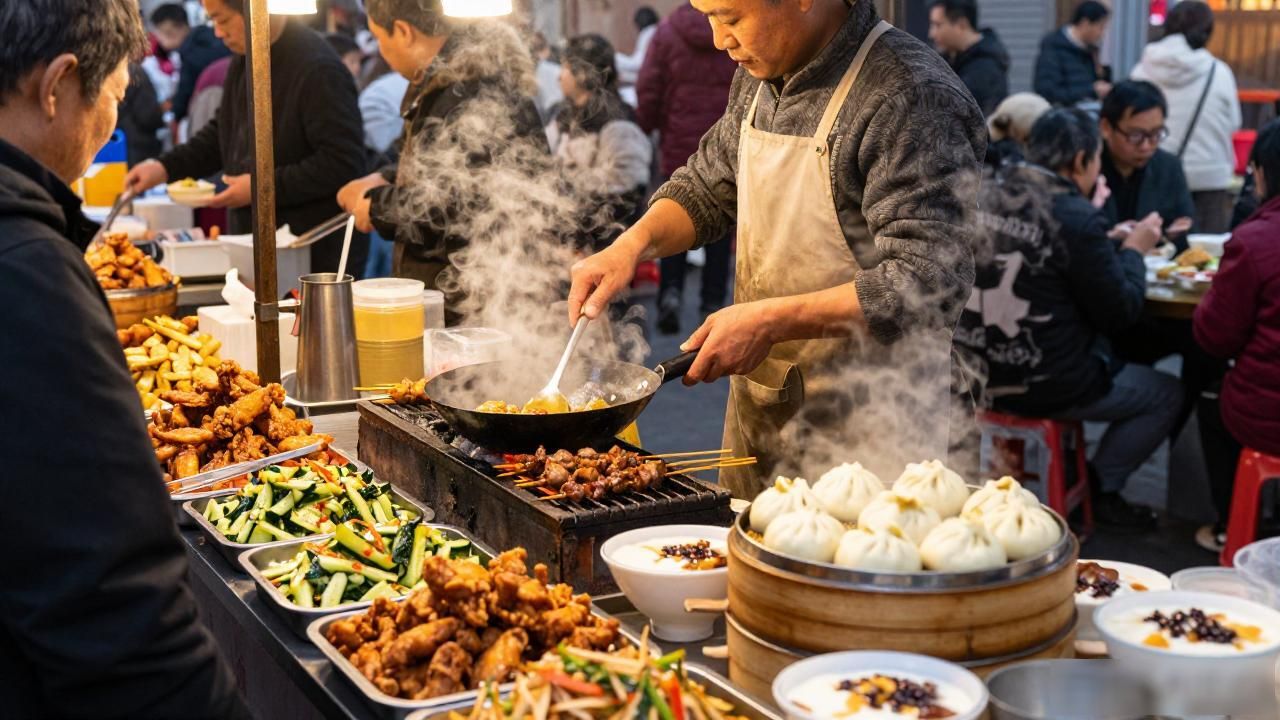
Chinese street food stalls are the beating heart of everyday life in cities and towns across the country. They offer an incredible variety of freshly cooked, affordable meals that reflect local flavors and centuries-old culinary traditions. From sizzling skewers to steaming dumplings, these stalls are not just about food—they are about community, speed, and authenticity. If you want to taste real China, you have to eat where the locals eat.
What makes these stalls so special

The magic of a Chinese street food stall lies in its simplicity and immediacy. Most stalls operate with a single wok, a charcoal grill, or a steaming basket, yet they turn out dishes that rival restaurant quality. The vendors often specialize in just one or two items, which means they perfect their craft over years. A jianbing stall in Beijing might have been run by the same family for three decades, flipping crepe after crepe with practiced hands. The ingredients are fresh, often sourced from local markets that morning. You see the vegetables being chopped, the oil sizzling, and the meat being grilled right in front of you. This transparency builds trust and heightens anticipation. People gather around, point at what looks good, and eat standing up or on small plastic stools. The whole experience is loud, fragrant, and deeply satisfying.
Another reason these stalls thrive is affordability. A full meal from a street stall usually costs the equivalent of a few US dollars. For travelers on a budget, this is a dream. But even locals who can afford fancy restaurants choose street food because it tastes better. There is no pretense, no unnecessary decoration. Just good cooking, honest ingredients, and flavors that hit hard. If you are looking for a quick breakfast before exploring a temple or a late-night snack after a day of sightseeing, these stalls are your best bet.
How to find the best stalls without getting ripped off
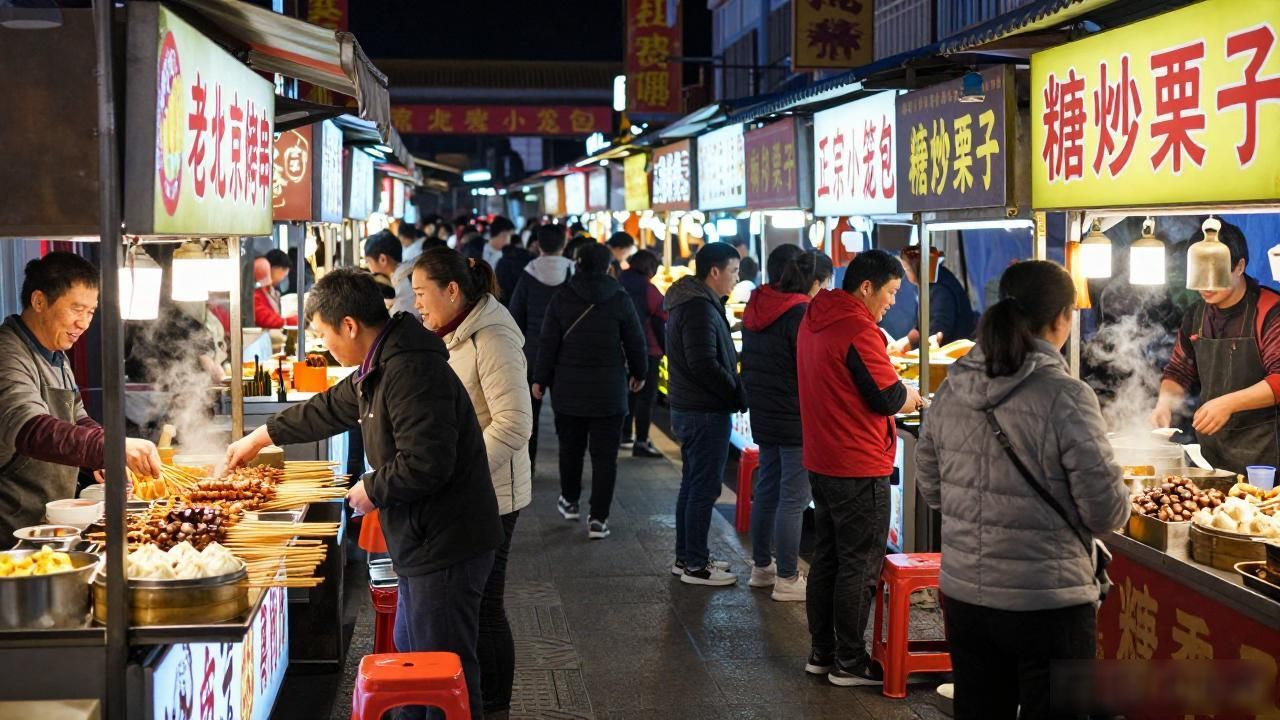
Finding great Chinese street food stalls is not about following tourist guides. The best ones are hidden in narrow alleys, near schools, or at the edge of morning markets. Look for stalls with a long line of local people. If you see office workers, students, and elderly folks all waiting patiently, that is a good sign. Avoid stalls that have flashy signs or menus in multiple languages aimed at tourists. Those are often overpriced and less authentic. Also pay attention to hygiene. A good vendor keeps their station clean, handles cash and food separately, and wears an apron. The wok should be smoking hot, and the oil should look clear, not dark and reused.
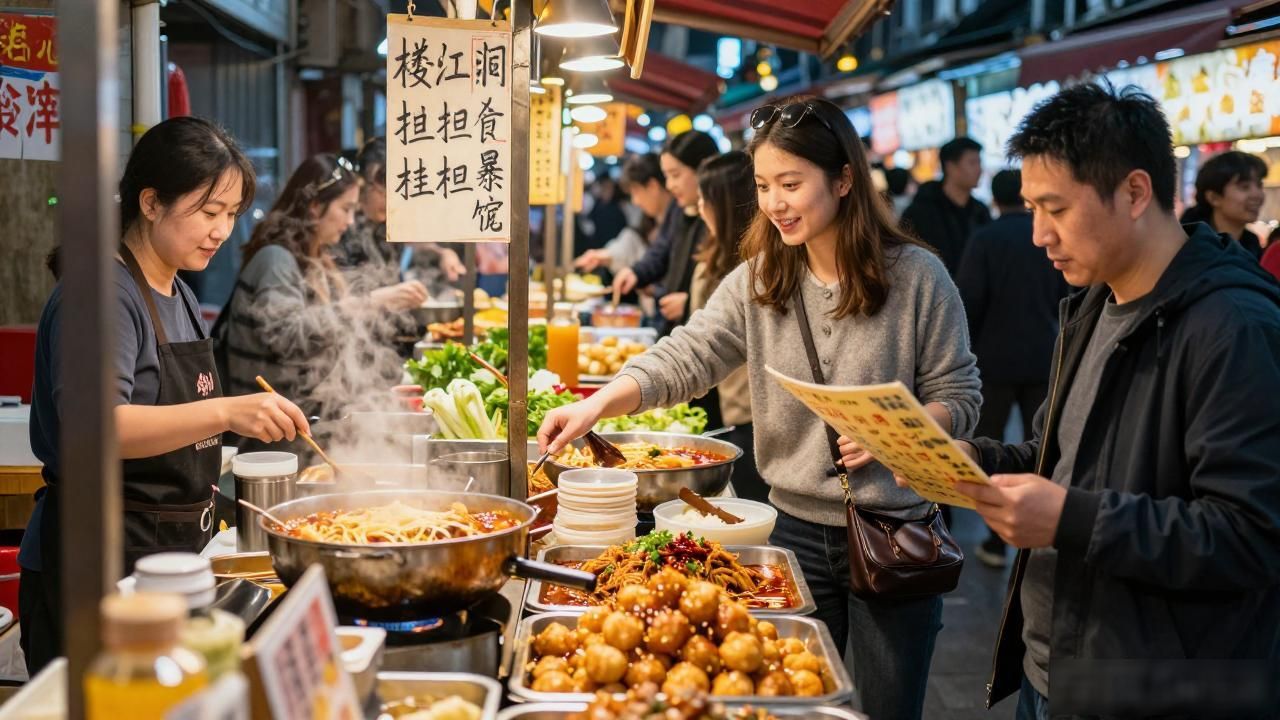
Prices are usually posted on a small board or written on the cart itself. If you cannot see a price, ask politely before ordering. In busy cities like Shanghai or Chengdu, some vendors may try to charge foreigners more. It is not common, but it happens. A simple trick is to watch what locals pay and hand over the same amount. If you are unsure, just smile and point to the item while saying “duō shǎo qián” which means “how much”. Most vendors are friendly and honest, especially when you show respect for their food. Remember that the best experience comes from being open and adventurous. Try the grilled skewers in Xi’an, the spicy noodles in Chongqing,and the soup dumplings in Shanghai. Each stall tells a story of its region, and each bite brings you closer to understanding why Chinese street food is loved around the world.
Street food stalls are not just a cheap meal option. They are a living museum of Chinese cooking, a daily ritual for millions, and a gateway for travelers to connect with real life in China. The next time you walk past a smoky cart with a crowd around it, stop and join them. You will leave with a full stomach and a memory that lasts long after the trip ends.