
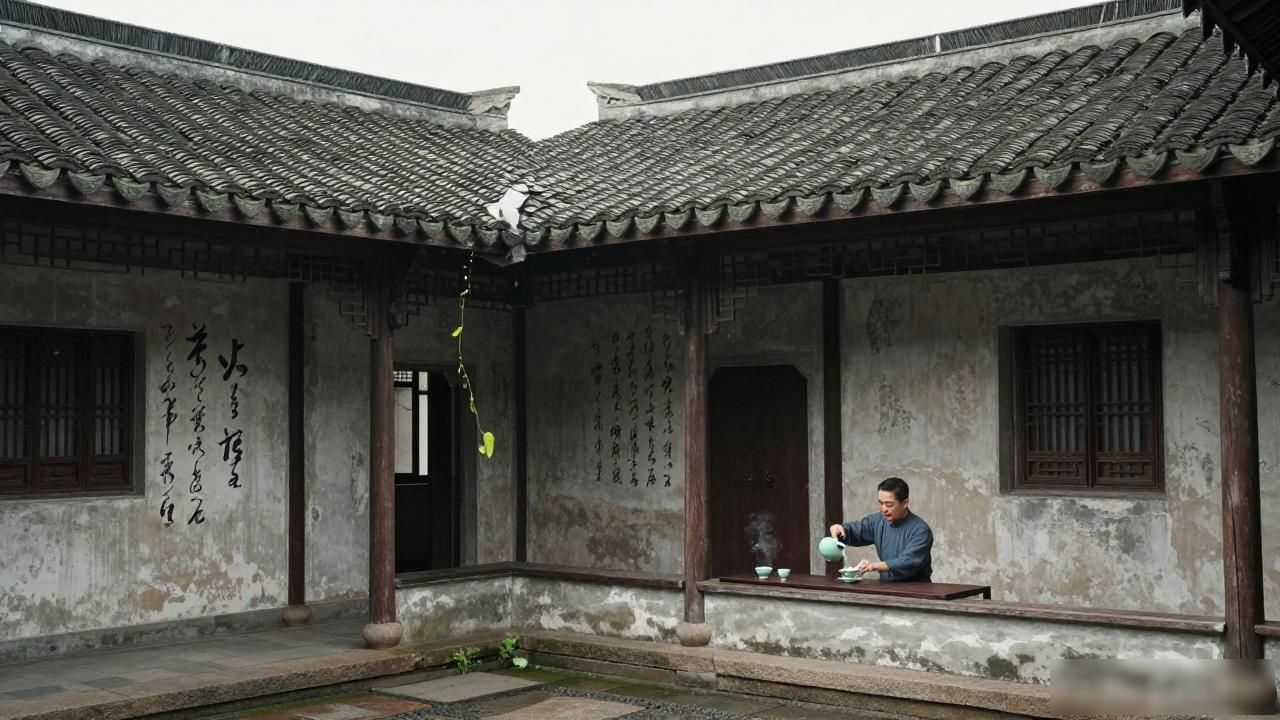
China’s old towns hold a quiet charm that no chain hotel can replicate. Sleeping in a converted ancestral home in Wuzhen or a Ming-dynasty courtyard in Pingyao gives you a window into how locals actually live, cook, and argue over whose turn it is to sweep the courtyard. Here’s what makes these stays worth the effort of navigating a 2 AM bus, and where to find the ones tourists haven’t discovered yet.
What makes old town homestays unique

The plaster walls of a three-hundred-year-old courtyard in Xitang still carry the brushstrokes of calligraphy faded by decades of rain. Your host, a fourth-generation descendant of the original family, pours jasmine tea on a veranda where salt merchants once held court. The difference isn’t just decorative. You wake to a neighbor grinding soybean paste for tofu outside your window, not a hotel generator humming somewhere in the basement.
What sets these places apart is the lack of uniformity. No two rooms look alike. One corner holds a hand-carved wooden screen, the next a cracked tile floor patched with blue ceramic from the Song dynasty. The host’s grandmother’s handwritten recipe book sits on the nightstand next to your phone, its pages stained with chili oil. You’re not a guest in a brand. You’re a guest in someone’s actual life, and that changes the whole texture of a morning.
Where to find rare homestay stays
The famous options around West Lake in Hangzhou get booked out months ahead, and the prices match. The real finds hide in smaller water towns like Qiaotou in Shandong, Shunde in Guangdong, or the stoned lanes of Fenghuang in Hunan. Search Ctrip or Xiaohongshu for old town homestay plus the specific town name. Leave the top results and read reviews past the first fifty. You want comments that say the auntie cooked me dumplings at eleven PM rather than clean and convenient and near the bus stop.
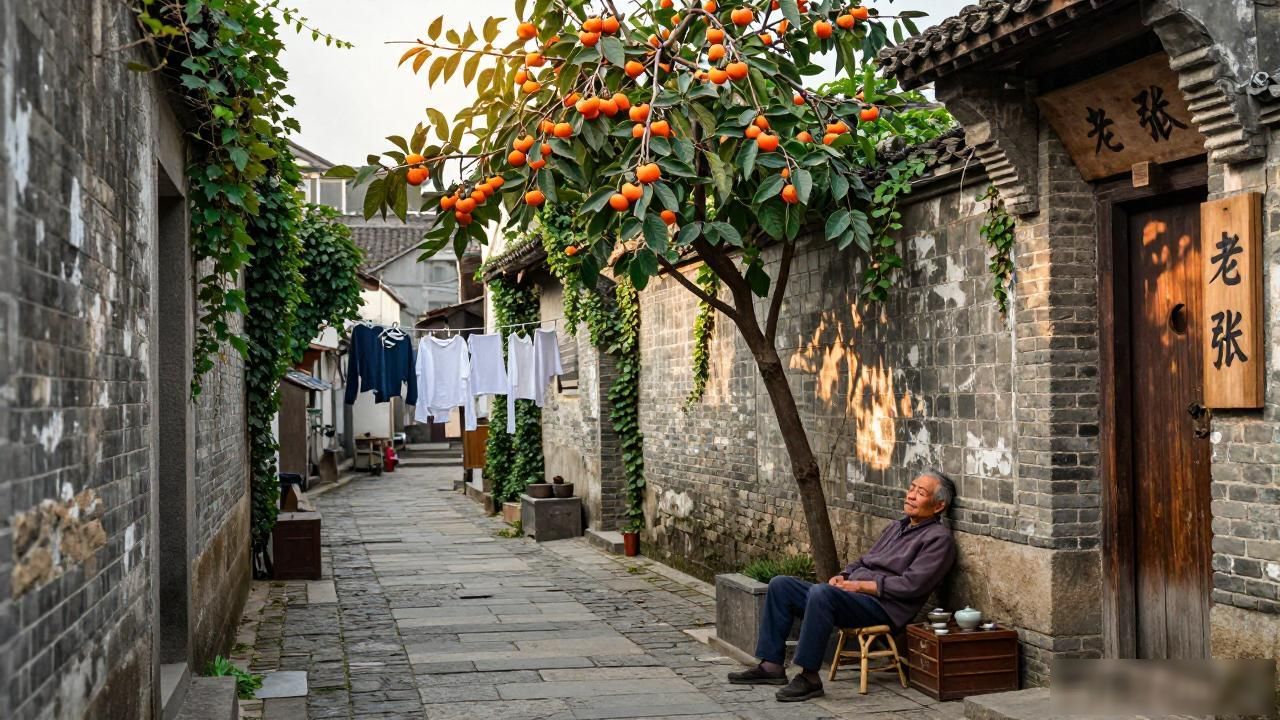
Leave the town’s main commercial strip where the souvenir shops line up. Walk to the back lanes where laundry lines still snap in the wind and an old man naps under a persimmon tree. A hand-painted sign on a wooden door, often just two characters, marks the entrance. The best stays cost under 200 yuan a night and offer more character than a 2,000-yuan hotel suite. Ask the street vendor selling iced mung-bean soup. She knows every door on that lane.
You won’t find a checkout desk or a star rating. You’ll find a grandmother asking if you ate enough, a fat cat stretched across the windowsill, and a town that still moves at the speed of incense smoke.