
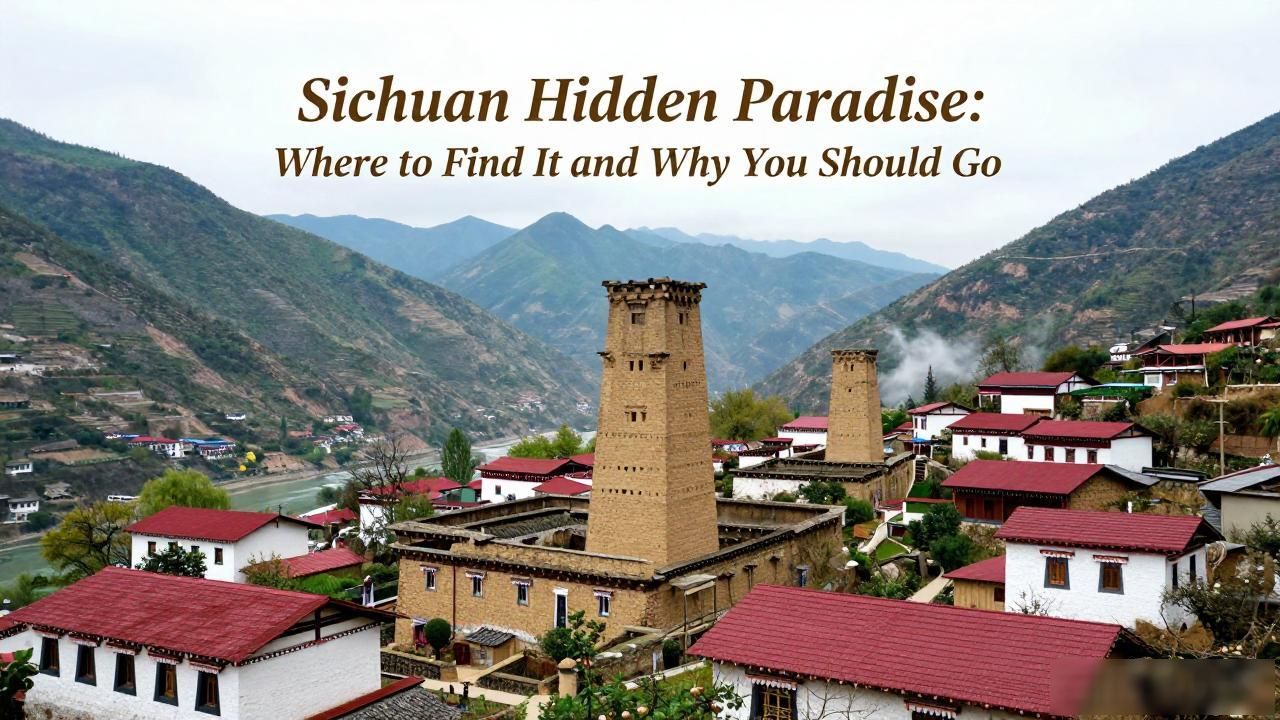
Sichuan is widely known for its spicy food and giant pandas, but there is a quieter side to this province that many travelers overlook. Beyond the bustling streets of Chengdu and the tourist-packed trails of Jiuzhaigou, there are remote valleys, ancient villages, and untouched landscapes that feel like a secret world. This is the real Sichuan hidden paradise—places where time slows down, and nature speaks louder than traffic.
What makes a place a hidden paradise in Sichuan
A hidden paradise in Sichuan is not just about beautiful scenery. It is about the feeling of discovery. These are locations that are not listed in every travel guide, not crowded with selfie sticks, and not connected by high-speed trains. You have to take a local bus, hike a dirt path, or ask a farmer for directions. That effort is part of the reward.

Take the village of Danba in western Sichuan. Nestled in the valley of the Dadu River, Danba is famous for its ancient watchtowers and white-walled houses with red roofs. Most tourists rush past it on their way to Tagong or Seda, but those who stay find a peaceful retreat. The air smells of apple orchards and wood smoke. Locals still dry chili peppers on their rooftops. There is no Wi-Fi in many guesthouses, but no one complains.
Another example is the Yading Nature Reserve, often called the last Shangri-La. While it has gained some fame,it still feels remote compared to Jiuzhaigou. The three sacred snow peaks stand like guardians over alpine lakes and meadows. In autumn, the golden leaves and blue sky create a color palette that no filter can improve. It is a place where you can walk for hours without meeting another tourist.
How to visit these hidden spots without ruining them

The biggest challenge for any hidden paradise is staying hidden. As more people search for off-the-beaten-path destinations, the very charm of these places gets threatened. That is why responsible travel matters more than ever.
If you plan to visit a Sichuan hidden paradise, start by avoiding peak season. October and May are the busiest months. Go in late September or early June instead. The weather is still good, but the crowds are thinner. Also, choose homestays over chain hotels. Local families often run these guesthouses, and your money goes directly to the community.
Respect the local culture. In Tibetan villages like Moxi or Tagong, do not enter temples without permission. Do not take photos of monks without asking. Learn a few words of Tibetan or Sichuan dialect—a simple “thank you” in the local language can open doors. And always carry your own trash bag. Many of these remote areas have no waste management system, and plastic bottles pile up quickly.
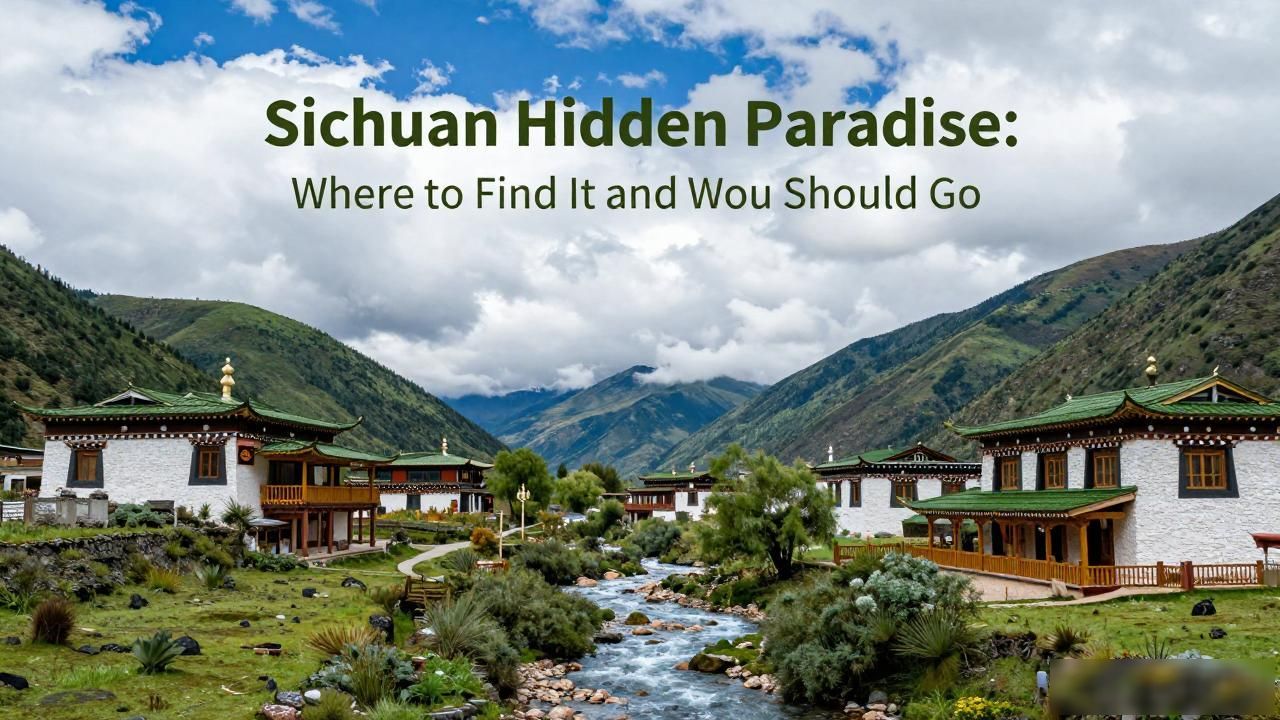
Finally, do not share exact GPS coordinates on social media. If you find a beautiful valley or a quiet lake, enjoy it privately. Tell your friends in person, not on Instagram. That small act of restraint helps keep the paradise alive for the next visitor.
Sichuan hidden paradise is not a single place. It is a mindset. It is the willingness to go a little farther, stay a little longer, and appreciate what is already there without trying to own it. Whether you find it in a misty forest, a terraced rice field, or a village where the only sound is a rooster crowing at dawn, the real treasure is the journey itself.