
Shanghai is one of those cities that feels like it exists in two time zones at once. Skyscrapers rise above ancient temple roofs. Delivery scooters zip past 1920s art deco buildings. This tension between old and new is exactly what makes the city so alive. I spent several months exploring every corner of this metropolis, and what surprised me most was how easy it was to fall into the rhythm of daily life here. You don’t need a detailed itinerary — just curiosity and an open mind.
How Old and New Shanghai Coexist
The old city center around the Yu Garden area still retains a completely different energy from Pudong’s glittering towers. Narrow streets wind between restored shikumen houses where laundry hangs from every balcony. Street vendors sell steaming soup dumplings from woks that look older than most buildings nearby. The contrast is staggering, and you’ll find it just minutes away from the ultra-modern shopping districts.

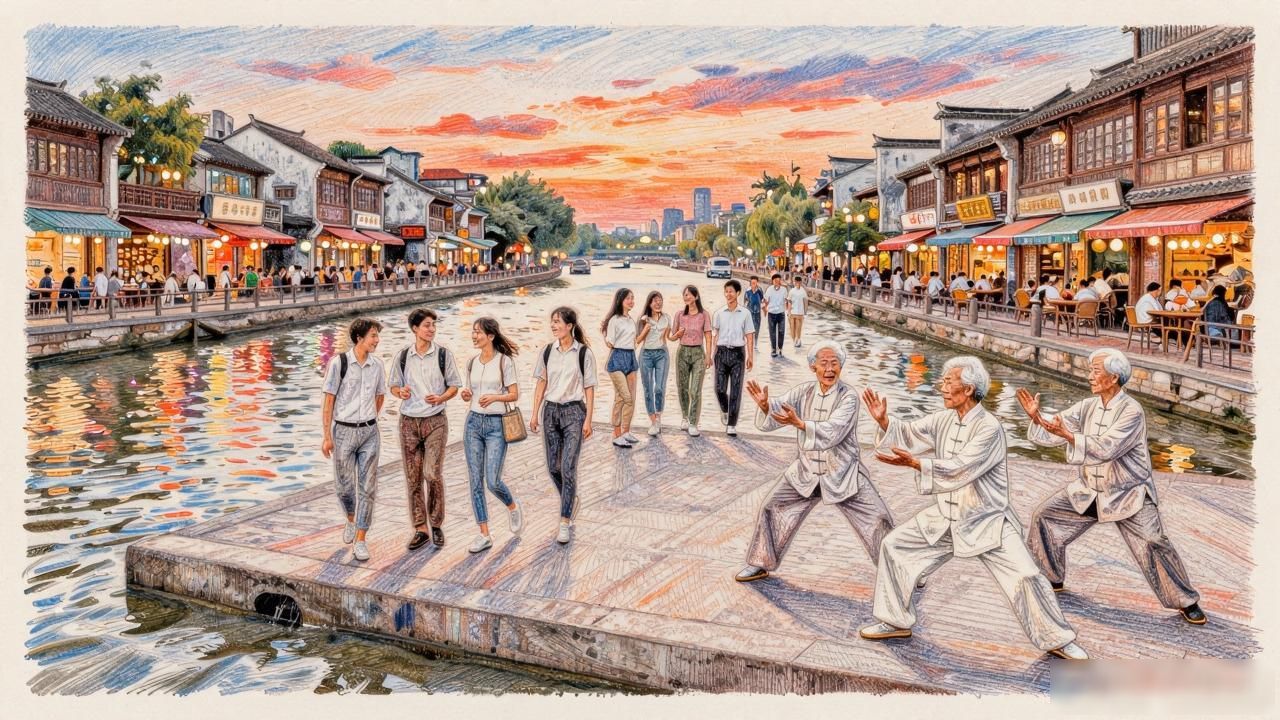
Walking along the Suzhou Creek at dusk reveals yet another layer of the city. Coffee shops line the riverbank where young professionals gather after work. Occasionally you’ll spot elderly locals practicing tai chi on small concrete platforms built over the water. These quiet pockets exist alongside the noise and hustle of the greater city, waiting to be discovered by anyone willing to step off the main thoroughfares.
The best neighborhoods to explore include the Former French Concession with its Plane-tree shaded streets, the bustling Xuhui district near the old international settlement, and the creative M50 art zone in Putuo. Each area has its own character, and getting lost in any of them is genuinely rewarding.
Must-See Attractions and Where to Find Them
The Bund at night is something everyone should experience at least once. The colonial-era buildings across the river glow golden under carefully placed lighting, and their reflections dance on the dark water below. It gets crowded, yes, but the scale of it — the sheer ambition of urban design on display — makes the waiting worth it. Come during daylight hours as well, when the architecture reveals its full Art Deco grandeur and the pace feels almost peaceful.
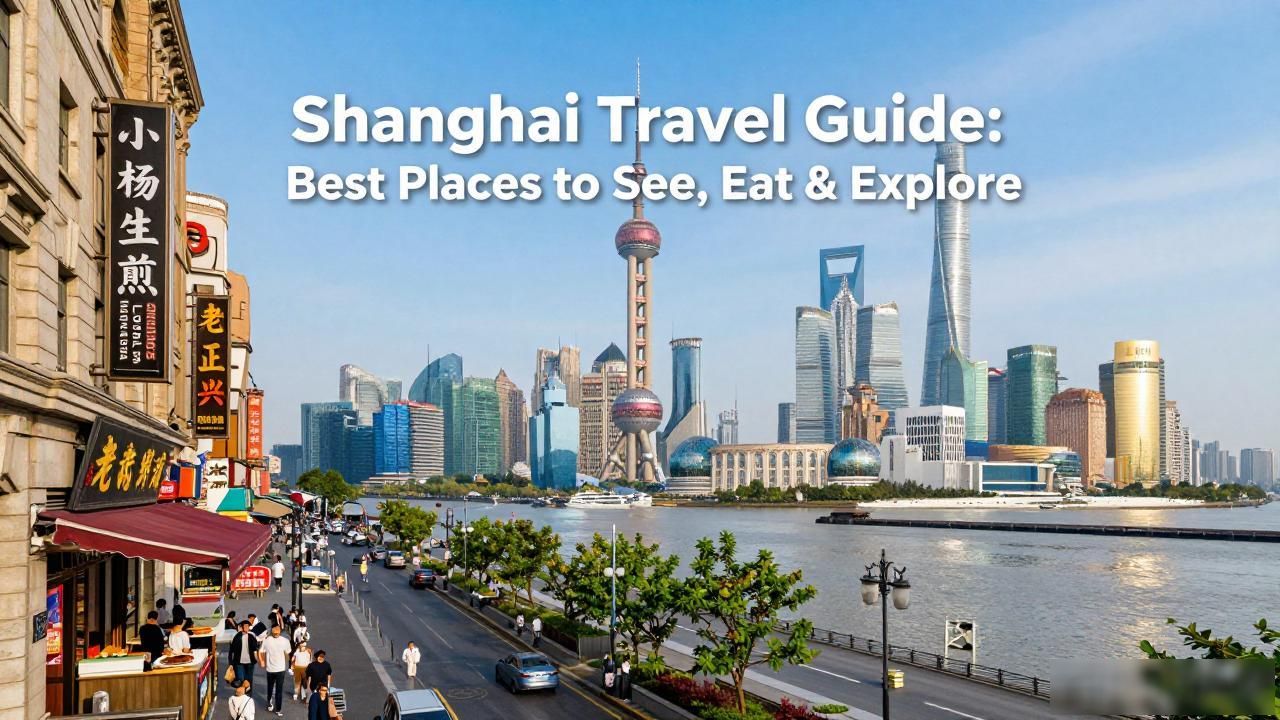
From the Bund, walk inland along Nanjing Road Pedestrian Street toward Lujiazui. The towering skyscrapers here belong to another era entirely. Jin Mao Tower and the Shanghai World Financial Center offer observation decks with panoramic views that justify the price of admission. On a clear day, you can see all the way to the Huangpu River estuary.
Xintiandi, with its beautifully restored stone-gate neighborhoods turned into upscale dining and shopping destinations, provides a perfect example of how Shanghai reuses its architectural heritage. Hidden alleyways behind the main streets still contain original residential structures that predate the commercial renovation by decades.
Where to Eat and Drink Like a Local
Xiao long bao — those delicate soup-filled dumplings — represent Shanghai’s culinary signature. The trick is not to rush them. Bite a small hole in the wrapper first, sip the hot broth carefully before eating the rest dipped in black vinegar. It sounds fussy, but this ritual transforms the experience from simple street food into something closer to performance art.
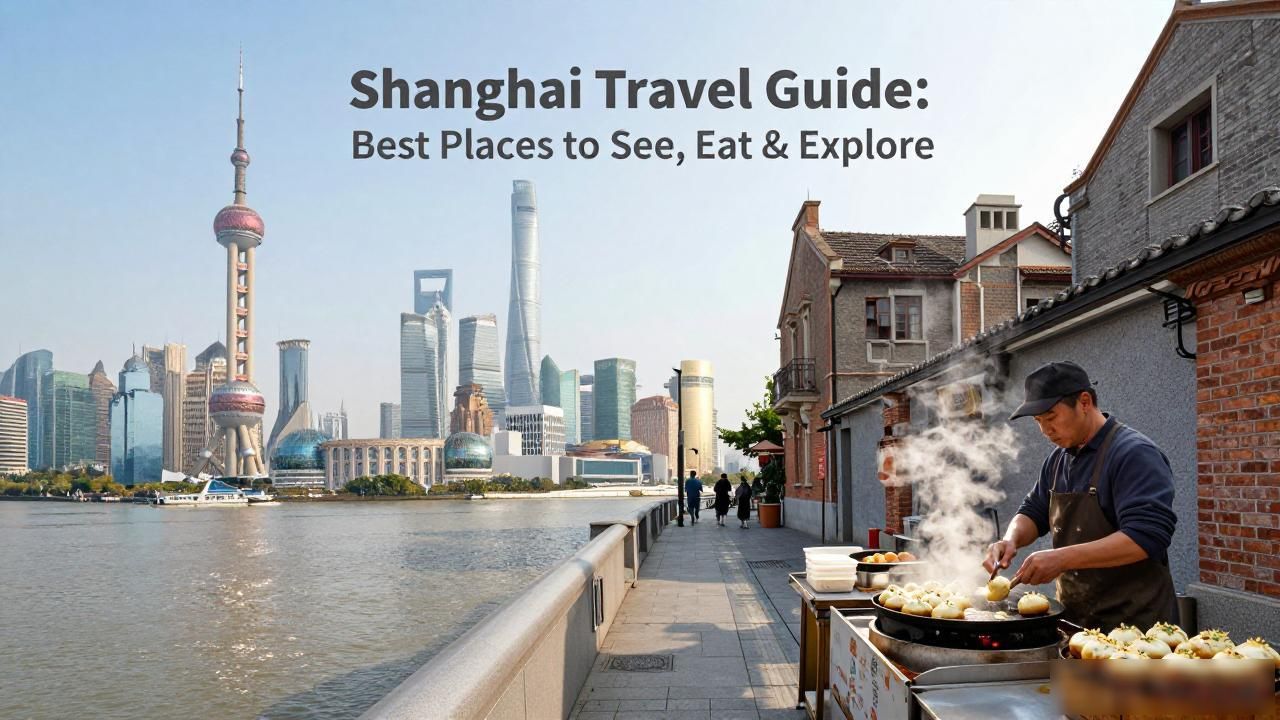
Shengjian mantou,pan-fried pork buns with crispy golden bottoms, are equally essential and much easier to eat while standing. They appear on nearly every street corner, served from large flat griddles that sizzle constantly. The best ones are found in older neighborhoods away from tourist areas.
For sit-down meals, the Xintiandi area around South Huangpi Road offers numerous excellent options ranging from refined Shanghainese to experimental fusion concepts. But don’t overlook the smaller establishments in Jing’an and Changning districts where actual residents eat. These places tend to be louder, messier, and infinitely more satisfying.
Evening drinks along the Suzhou Creek waterfront carry a distinctly local vibe — younger crowds, craft beer options, and views of industrial bridges repurposed as photo backdrops. A two-yuan ferry ride across the Huangpu at sunset costs less than most coffees and delivers one of the most cinematic experiences available anywhere in the city.