

China’s giant pandas aren’t just cute black-and-white bears tumbling around social media feeds—they’re a national treasure and a global conservation symbol that few countries can claim. Understanding panda China means looking well past the viral clips and exploring how this nation transformed a near-extinct species into a central pillar of its wildlife policy and cultural identity.
Where to See Panda China’s Pandas

The go-to destination remains the Chengdu Research Base of Giant Panda Breeding, tucked into the hilly outskirts of Sichuan’s capital, where more than 200 pandas move through semi-wild enclosures designed to mimic dense forest terrain. But panda China stretches far beyond one city. The Wolong Nature Reserve, cradled against the glacial peaks of the Qionglai Mountains, offers a rawer, deeper-forest experience. You can watch a mother drag her fuzzy cub across a mossy log, or catch an adult mid-yawn on a bamboo ridge after a three-hour nap.
Steer clear of the mega-reserves and you’ll find smaller sanctuaries in Gansu and Shaanxi that draw a fraction of the usual crowds. Fewer people means you can actually hear the wind rustling through the bamboo canopy, and the mist-wrapped mountain backdrop makes every moment feel less like a tourist stop and more like a private memory.
Why Panda China Protects Pandas
By the mid-1980s, wild panda counts had slid to roughly 1,100 animals scattered across fragmented forest patches. The state pulled every lever it had: core habitats got locked down, a connected network of reserves was mapped across three provinces, and anti-poaching patrols shifted from ad hoc raids to permanent, well-funded operations. That sustained push slowed the slide, and by 2016 the IUCN downlisted the species from “endangered” to “vulnerable,” with wild numbers now hovering near 1,800.
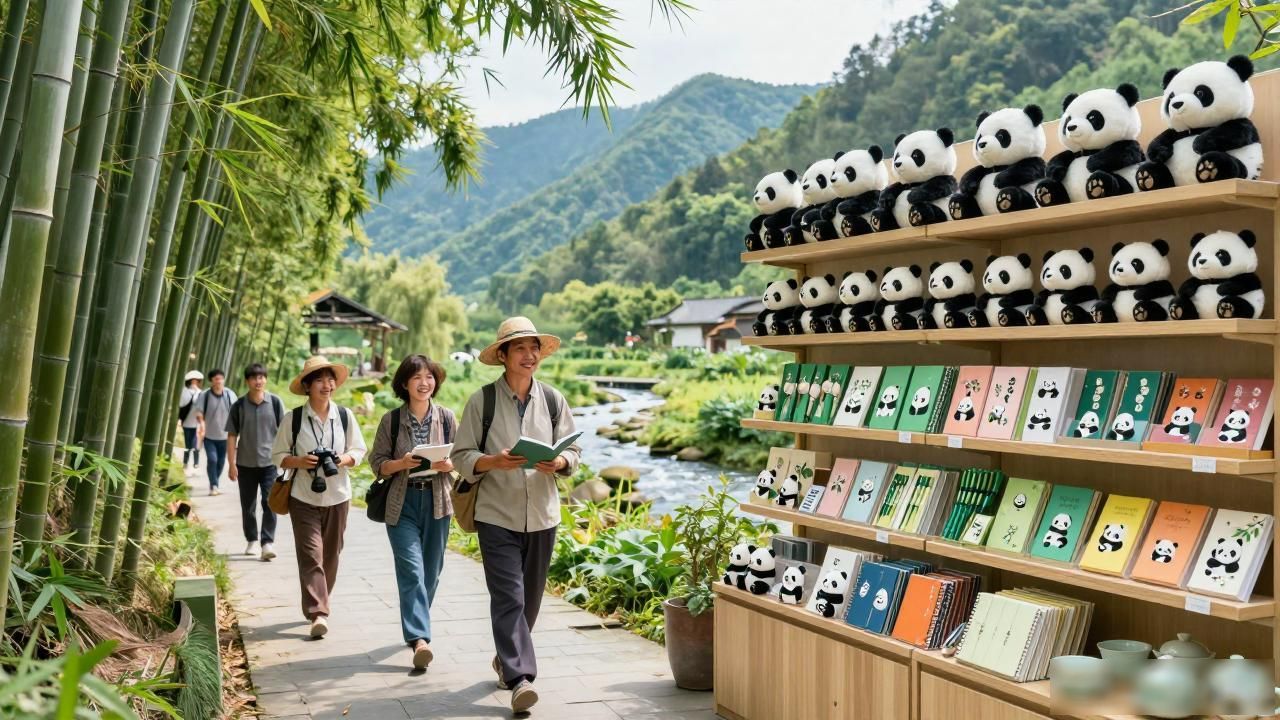
The economic side matters just as much. Panda-branded tourism, merch licensing, and the long-standing “panda diplomacy” gift programs funnel serious revenue into the system. Villages that once burned hillsides for cropland now earn steady income from guided eco-trails, bamboo-harvest cooperatives, and homestay hospitality. Protecting the animals and putting food on the table have become the same project in the minds of most locals, which is why community buy-in here runs far deeper than in many other conservation zones worldwide.
So the next time a wobbly panda tumbles off a bamboo branch in your phone feed, let the image pull you in a little further. Behind it sits a long, tangled, still-unfinished story about what one country’s stubborn commitment to a single species can do for the entire planet.