
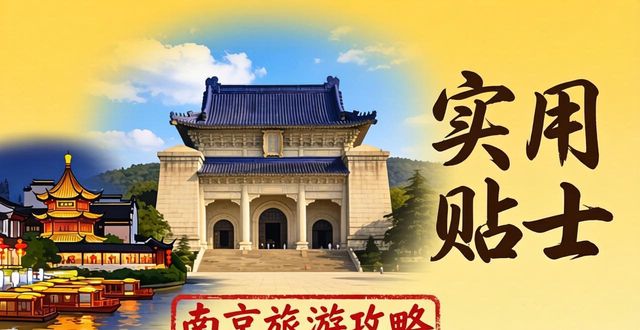
If you’re planning a trip to China, Shanghai and Beijing often steal the spotlight, but Nanjing deserves a spot on your itinerary just as much. As the former capital of several dynasties and the Republic of China, this city blends ancient history with modern energy in a way that feels authentic and unpretentious. You’ll find fewer crowds than in megacities, yet plenty of world-class heritage sites, delicious local food, and a relaxed riverside atmosphere. In this guide, I’ll walk you through the must-see attractions, hidden gems, and practical know-how to make your Nanjing travel smooth and rewarding.
Why is Nanjing a must-visit city in China?
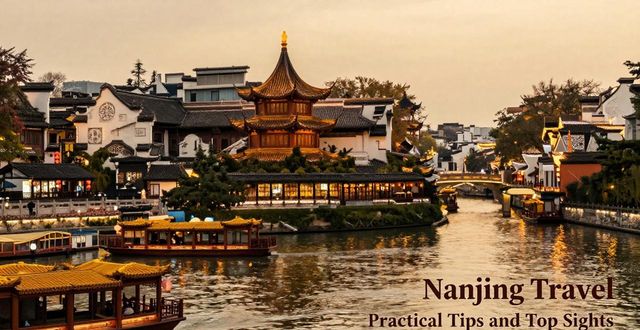
Nanjing offers a more intimate encounter with Chinese history than bustling Shanghai or Beijing. It served as the capital of six ancient dynasties and later the Republic of China,leaving behind layers of stories. The city is also home to the UNESCO-listed Ming Xiaoling Mausoleum, the grand Presidential Palace, and the poignant Nanjing Massacre Memorial Hall. Beyond history, the Qinhuai River area comes alive at night with traditional boats, lanterns, and street food. For travelers who want to experience deep culture without feeling overwhelmed, Nanjing is an ideal choice.

Another reason to visit is its walkability and green spaces. The Purple Mountain (Zijin Shan) sits right next to the city center, offering hiking trails, the Sun Yat-sen Mausoleum, and the Linggu Temple. Unlike many Chinese cities, Nanjing feels spacious and tree-lined, especially along the old city wall. You can easily spend three to four days here without running out of things to do. Plus, it’s well-connected by high-speed rail – just 1.5 hours from Shanghai – so adding it to your trip is simple.
What are the top historical sites in Nanjing?
Start with the Sun Yat-sen Mausoleum, perched on Purple Mountain. The 392-step climb rewards you with a panoramic view of Nanjing and a respectful tribute to the founding father of modern China. The architecture blends traditional temple styles with early 20th-century design. Arrive early morning to avoid tour groups, and combine this with a visit to the nearby Ming Xiaoling Mausoleum, where the first Ming emperor is buried. The stone animal path (Sacred Way) leading to the tomb is one of the most photographed spots in the city.
Don’t miss the Nanjing City Wall, one of the longest and best-preserved ancient city walls in the world. You can walk or rent a bike on top of the wall between the Zhonghua Gate and the Taiping Gate. The view of the Qinhuai River, old houses, and modern towers is unforgettable. Another profound stop is the Nanjing Massacre Memorial Hall. It is somber and extremely well-curated, with English explanations. It tells the story of 1937 and honors the victims. Give yourself at least two hours there – it’s heavy but essential for understanding 20th-century China.
Where to find authentic local food in Nanjing?
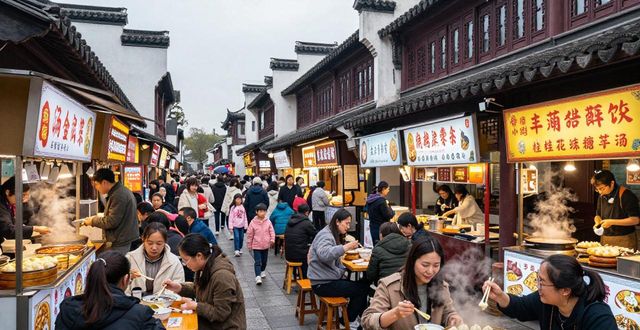
Nanjing is famous for its duck dishes, especially salted duck (yanshui ya) and duck blood vermicelli soup (yaxue fensi tang). For salted duck, head to nearby markets or chains like Han Fuxing (韩复兴) – the meat is tender, salty, and perfect with rice. The duck blood soup, filled with vermicelli, tofu, and liver, is a hearty lunch option. You’ll find it everywhere from hole-in-the-wall shops to food courts. Try Fuzimiao (Confucius Temple) food street, but walk one block away from the main tourist strip for better prices and more locals.
Another must-try is Nanjing’s small dumplings (tangbao), similar to Shanghai’s but slightly sweeter. Look for shops like Liu Changxing near the Presidential Palace. For a sweet breakfast, get a pancake roll (jianbing) or sticky rice balls. Also, don’t leave without trying the stinky tofu from street stalls – it’s fried crispy and served with spicy sauce. The best way to explore Nanjing food is to join a local evening food tour around Laomen East, where you can sample eight to ten dishes in one night.
How to get around Nanjing easily?
Nanjing has a clean, efficient, and English-friendly metro system. Most tourist sites are on metro lines 1, 2, and 3. Get a Jiangsu Transportation Card at any station – tap it on buses and subways. A ride costs around 2-4 RMB. The airport (NKG) is connected by metro line S1 to Nanjing South Station, which is a major high-speed rail hub. For getting to Purple Mountain, take metro line 2 to Muxuyuan station, then walk or hop on the sightseeing minibus (5 RMB).
Taxis and ride-hailing apps like Didi are cheap and convenient, but have your destination written in Chinese characters. Walking is pleasant in the city center, especially along the Qinhuai River or inside the old wall. Renting a bike-sharing (Meituan or Hello bikes) is also great – just scan with Alipay. Avoid driving yourself because traffic rules and signs can be confusing. If you’re staying three days or more, consider a Nanjing travel pass that covers entry to multiple major sites including the Sun Yat-sen Mausoleum and the Ming Tomb.
Now I’d love to hear from you: What kind of experiences do you value most in a historic city – ancient sights, local food, or quiet neighborhoods? Drop your thoughts in the comments, and if you found this guide helpful, give it a like and share it with a friend who’s planning a China trip. Happy travels