

Planning a family trip to China can feel like a big challenge, but with a clear and realistic itinerary, it turns into a journey full of discovery and joy. I have helped hundreds of families explore China, and the key is balancing cultural sights with rest, food, and fun for all ages. In this guide, I will share a practical 12-day route that covers China’s most family‑friendly destinations, plus insider tips on transport, accommodation, and timing. Whether your children are toddlers or teenagers, this plan respects their energy levels while giving you authentic experiences you will treasure forever.
Best Season for China Family Travel

The ideal time for a family trip to China is spring (April to May) and autumn (September to October). During these months, most regions enjoy mild temperatures between 15°C and 25°C, with little rain and clear skies. Summer (June to August) can be extremely hot and humid in Beijing, Shanghai, and Xi’an, plus many tourist sites become overcrowded with domestic travelers. Winter (December to February) is very cold in the north, though southern destinations like Guilin or Hong Kong remain pleasant. For families with young children, avoiding extreme weather means fewer meltdowns and more outdoor fun. Also, these shoulder seasons offer lower flight and hotel prices compared to summer or Chinese national holidays like Golden Week (first week of October). Always check the dates of Chinese public holidays – travel during those weeks is chaotic even for locals.
Days Needed for a China Family Itinerary
Most foreign families find that 10 to 14 days is the sweet spot for a China trip. Less than 10 days feels rushed because you lose at least two days to long‑haul flights and jet lag. More than 14 days can be exhausting for kids and expensive for parents. The itinerary I suggest is 12 days: three nights in Beijing, two nights in Xi’an, two nights in Chengdu, and three nights in Shanghai, with travel days in between. This rhythm gives you one full day in each city after a travel day, plus a buffer for unexpected delays. If you have only 10 days, cut Chengdu and focus on Beijing, Xi’an, and Shanghai. If you have two weeks, add a four‑day stop in Guilin or Yangshuo for some nature and relaxing river time. Remember that internal flights or high‑speed trains eat up half a day each time – always plan for check‑out, transit, and check‑in.
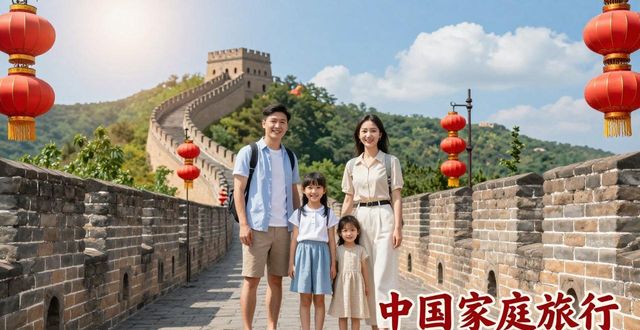
Must‑See Family Friendly Attractions in China
For children aged 5 to 15, the Great Wall is an absolute highlight, especially the Mutianyu section which has a cable car up and a toboggan ride down. In Beijing, the Forbidden City can be turned into a treasure hunt – look for bronze lions, painted dragons, and giant marble boats. The Summer Palace offers boat rides and wide open spaces for running. In Xi’an, the Terracotta Warriors amaze both kids and adults through the sheer scale, and the city’s ancient bike‑riding on the city wall is a hit with teenagers. Chengdu’s Giant Panda Breeding Research Base lets you see pandas from just a few meters away; book a morning visit when they are most active. In Shanghai, the Huangpu River cruise at night, the Maglev train (top speed 430 km/h), and Disneyland Shanghai make the city a perfect ending. Avoid museums that are too text‑heavy unless your children are older. Always add one playground or park session every two days to release pent‑up energy.
Practical Transport and Accommodation Tips
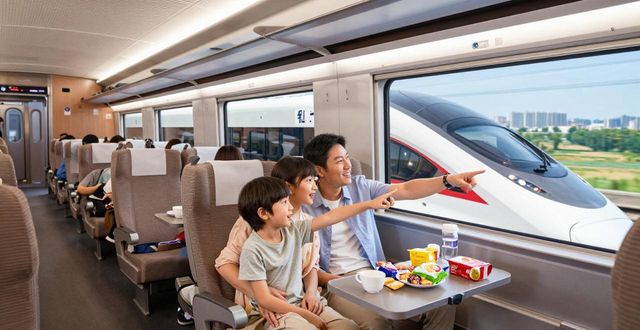
High‑speed trains are the best way to travel between major cities with kids – they are punctual, clean, and have spacious restrooms. Book second‑class seats on the G‑ or D‑series trains; they are affordable and offer tables for snacks. For overnight trips, choose a soft sleeper (four bunks per cabin) rather than hard sleeper because soft sleepers provide more privacy and bedding. Domestic budget airlines can be cheaper but often have strict baggage limits and frequent delays. For accommodation, look for international chains like Marriott, Hilton, or Hyatt – they have reliable cribs, kid menus, and English‑speaking staff. Alternatively,family‑run B&Bs (minsu) near popular attractions offer local charm, but always confirm they accept foreign passports and have elevators for strollers. Download the Didi app (China’s Uber) before you go; it has an English interface and lets you pay with international credit cards. Also bring basic medicine for colds and stomach upsets – Western brands are available in major cities but not everywhere.
What is the one thing that still makes you nervous about taking your family to China – the language, the food, or getting your kids to enjoy the history? Drop your question or worry in the comments, and let other traveling families help you out. If you found this itinerary useful, please share it with your planning group and give this article a thumbs up.