
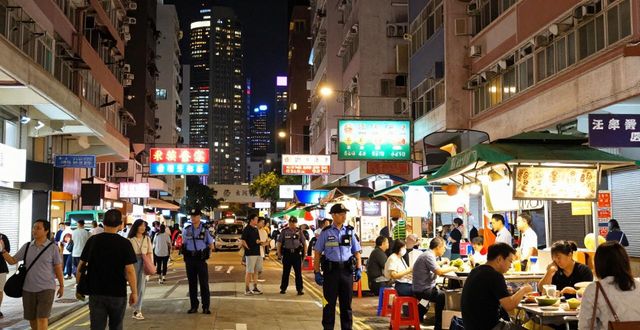
Hong Kong, officially known as Xianggang, is a vibrant global hub that attracts millions of visitors every year. For most travelers, the city is remarkably safe, with low violent crime rates and efficient public services. However, like any major metropolis, understanding local risks and knowing how to navigate them can make your trip smoother and worry-free. This guide covers essential safety insights for foreigners, from street smarts to emergency response, so you can explore this dynamic city with confidence.
Is Hong Kong safe for tourists at night

Hong Kong’s reputation for nighttime safety is well-earned. Neon-lit streets in popular areas like Tsim Sha Tsui, Central, and Mong Kok remain busy well past midnight, with a visible police presence and countless locals heading home or grabbing late-night bites. Many tourists feel perfectly comfortable walking alone after dark, especially in commercial and entertainment districts. That said, stay alert in quieter alleys or deserted parks, as opportunistic pickpocketing can occur anywhere. Keep your phone and wallet secure, stick to well-lit main roads, and use licensed taxis or ride-hailing apps rather than unmarked vehicles. If you’re drinking at Lan Kwai Fong or Wan Chai bars, watch your glass, travel in pairs, and prearrange your ride home to avoid getting stranded.
How to avoid common scams in Xianggang
While major scams are less prevalent in Hong Kong than in many tourist hotspots, a few persistent ones target foreigners. The “tea ceremony” or “restaurant scam” involves someone befriending you and leading you to an overpriced tea house where the bill suddenly jumps to hundreds of dollars. Another classic is the “temple donation” scam near Wong Tai Sin Temple, where fake monks pressure you for “lucky” donations. Also beware of taxi drivers who claim the meter is broken and demand a flat fee – always insist on using the meter or take a photo of their license plate. For currency exchange, avoid street-side money changers with suspiciously good rates; use banks or licensed shops like those in Chungking Mansions (but stay vigilant there). Simply say “no thanks” firmly and walk away – Hong Kong people rarely hassle you after a clear rejection.
What are the emergency numbers and medical facilities
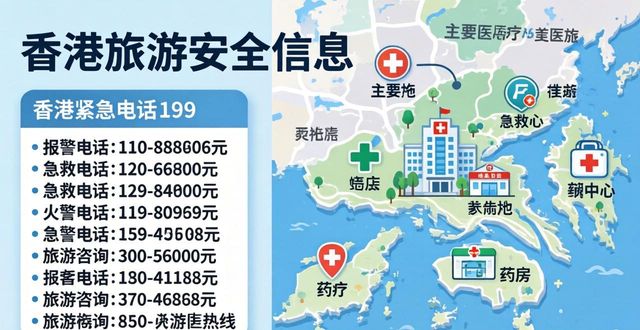
Hong Kong has a world-class public health system that serves tourists too. Dial 999 for police, fire, or ambulance – English-speaking operators are available. For non-emergency medical help, visit one of the 14 public hospitals with 24-hour accident and emergency departments; treatment for foreigners is affordable compared to Western countries, but you’ll pay upfront without insurance. Private hospitals like Matilda or Adventist offer faster service but higher costs. Always carry your passport and a copy of your travel insurance policy. For minor issues, pharmacies labeled with a green cross (e.g., Watsons,Mannings) have trained staff who can recommend over-the-counter meds. Note that Hong Kong’s humid summers can cause heatstroke – stay hydrated and use air-conditioned malls as cooling shelters. If you lose your passport, report it to the police and contact your consulate immediately.
Do I need special insurance for Xianggang travel

You are not legally required to have travel insurance for Hong Kong, but skipping it is a gamble you don’t want to take. The city’s private hospital fees can exceed $1,000 USD for a simple emergency room visit, and an ambulance ride costs around $120 USD for non-residents. More importantly, typhoons hit Hong Kong between May and November, often causing flight cancellations and unexpected hotel stays. A good travel insurance policy should cover trip interruption, lost luggage, personal liability, and medical evacuation – especially if you plan to hike on Lantau Island or Dragon’s Back, where rescue services may charge fees. Read the fine print: some policies exclude motorbike rental or adventure sports. Compare plans on sites like World Nomads or SafetyWing before departure, and keep a digital and physical copy of your policy number handy.
Have you ever faced a safety scare while traveling, or do you have a Hong Kong safety tip of your own? Drop your story in the comments – and if this guide helped you, give it a like and share it with your fellow travelers planning a trip to Xianggang!